Welcome back to the second part of How to Get Rid of Biting Summer Flies!

Our last post focused on one of the most common biting flies, the horse fly. In this second part, we will continue to look at how to get rid of biting summer flies with natural repellents and more!

Flies, Flies and More Flies!
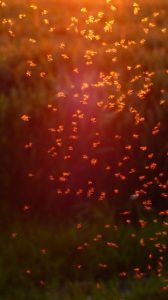
Group of Flying Biting Summer Midge FliesWhat exactly are horse owners up against when it comes to flies in hot summer months? A variety of flies that bite, draw blood and irritate and annoy both you and your horse!

Common flies (beyond the horse fly we discussed last time) include:

  • Stable flies
  • Black flies
  • Deer flies
  • Sandflies and biting Midge Flies

Why are flies such a problem for equines? Flies can:

  1. Carry and spread diseases.
  2. Cause allergic reactions.
  3. Cause infections.
  4. Create digestive issues.
  5. Chip or break your horse’s hooves from continuous stomping to get rid of flies.

Fly Prevention: Best Practices

Prevention is critical since a single fly can produce up to 1,000 flies inHorse Standing in Open Barn Door less than a month!  Using a combination of fly control options will offer the best results. Below are 6 best practices for your horse and barn.
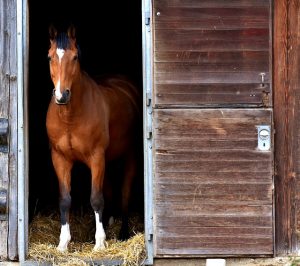
  • Strict and regular sanitation protocols will help decrease and discourage the creation of fly populations by keeping your barn odor- and ammonia-free.
    • Address fly breeding and larvae hatching by regularly eliminating potential moist or damp areas where flies prefer to lay their eggs including:
      • Manure in your barn, yards and fields (which offer breeding places and constant food sources).
      • Decaying plant waste (i.e., rotting logs). 
      • Damp straw, rotting hay and moist soil under hay bales. Consider replacing straw bedding with rubber matting to reduce overall barn moisture.
      • Use moisture-soaking materials and/or absorbent bedding in all stalls. 
      • Regularly spread out both manure and stable bedding so it dries out quicker.
      • Drain all areas where excess water/rainwater gathers and pools.
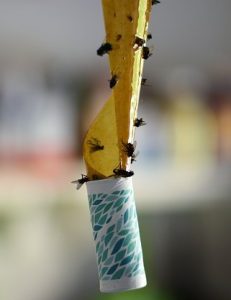
  • Regularly treat all stable surfaces (sides of the barn, stall surfaces,Get Rid of Biting Summer Flies with sticky fly paper fences and piles of manure) with a reliable fly control option or an insecticide, pesticide or larvicide.
  • Protect your horse from flies with sprays or dusts. Use oil-based fly sprays that remain effective longer (water-based products usually offer shorter residual effects). When applying, be careful around sensitive areas like your horse’s eyes, ears and muzzle. For the safest application, spray onto a washcloth first and then gently apply or use a roll-on product.
  • Use and regularly replace fly traps/flypaper.
  • Always securely cover all open food and garbage containers to avoid attracting flies.
  • Turn off all barn lights at night to prevent insects from being attracted to the light.

Click here for the Amateur Equestrian article, “Top 23 Ways to Eliminate and Protect Your Horse and Barn from Flies this Summer”


Fly Prevention: 5 Options

So how do you get rid of biting summer flies already in your barn, tack room and paddock?

  1. Fly Predators to prevent fly eggs from hatching
  2. Supplements containing garlic, such as SmartPak’s BugOff
  3. Fly sheets to not only protect from flies but also UV rays
  4. Wondercide Natural Bug Repellent Spray
  5. SWAT Fly Repellent Ointment for trouble spots where flies tend to congregate (under the chin, on the chest and around the nose)


Fly Protection: 5 Natural Options

Prefer to use natural fly protection for your horse? Try these DIY options below!

  • Apple Cider Vinegar (ACV)

Not all vinegar is created equal when it comes to effectiveness andBottles of Organic Apple Cider Vinegar nothing is as effective as unpasteurized, organic apple cider vinegar. Just fill a spray bottle with ACV and spray down your horse for natural fly protection. If the smell bothers you or your horse, dilute with a 50/50 ratio of water.

  • Commercial Natural Fly Sprays
    • Absorbine UltraShield Green Natural Fly Repellent (contains essential oils and guaranteed to last up to 8 hours)
    • Animal Legends Flicks Horse and Pet Spray (concentrated and biodegradable)
    • Equisect Botanical Fly Repellent Spray (contains botanical and essentials oils including citronella, clove stem and thyme)
    • Calm Coat Natural Repellent (concentrated with citronella, eucalyptus and other botanical oils)  
  • Lemon Juice (bugs hate it!)
  •  Avon Skin So Soft (smells great and is a DEET-free bug deterrent for your horse and you!)
  • Natural Fly Spray for Horses by Savvy Horsewoman  (uses essential oils to deter flies, mosquitoes and other insects)

      OR

    • 100-150 drops of any combination of the following oils:
      • Citronella
      • Eucalyptus
      • Lemon Grass
      • Peppermint
      • Cedarwood
      • Lavender

Add all ingredients into the spray bottle and fill to the top with water. Shake well and spray on horses and riders as needed, being careful to avoid the eyes and nose. Store in a cool, dark place.
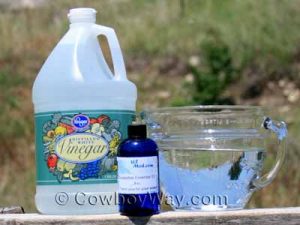


Get Rid of Biting Summer Flies with Vinegar and other natural ingredients

Looking for more DIY, Natural Horse Fly Sprays?

Click here to go to the Cowboy Way website for 3 easy recipes!
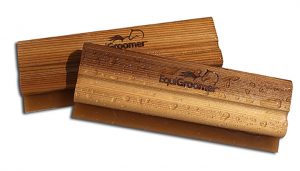


WaterWisk Grooming Tool from EquiGroomer“Whisking” all sweat, excess soap and water from your horse is easy for maintaining their coat’s best condition with our innovative WaterWisk!

 Our EquiGroomer tools make grooming your horse easier, stress-free AND pain-free!

Order individual EquiGroomer tools or professional kits for your pet shop, tack shop or barn, by calling 860-573-0604,  sending us an email or visiting our website today!


Additional Reading:

Texas A&M University: Veterinary Medicine & Biomedical Sciences: Shoo Fly … Don’t Bother Me!

Savvy Horsewoman: How to Get Rid of Flies Naturally

Stable Management: Reduce Flies on Your Horses and Property

Amateur Equestrian: Top 23 Ways to Eliminate and Protect Your Horse and Barn from Flies this Summer

Horse and Rider: Fly Control Options for Horse and Barn


Image Credits:

JacLou DL from Pixabay 

Hans Braxmeier from Pixabay 

Alexas_Fotos from Pixabay 

Wolfgang van de Rydt from Pixabay 

Bragg.com: Apple Cider Vinegar

CowboyWay.com

Product Image Courtesy of EquiGroomer
Summer means annoying flies! Learn more about how to get rid of biting summer flies.

This post will look closer at one of the most common biting flies, the horse fly. Horseflies are known to annoy livestock, dogs, horses and even humans! Keep reading to learn more about the horse fly.
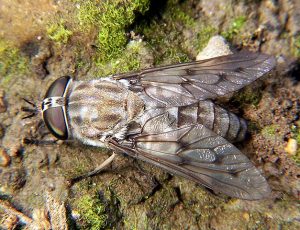
Horsefly Sitting on Moss
The Obnoxious Biting Horse Fly

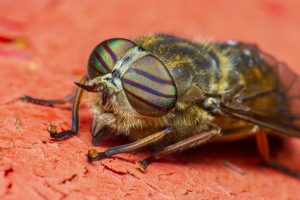
The horsefly is a large, bloodsucking fly with a stouter body and exceptionally large head. Since males have weaker mouthparts, they do not bite. They act as pollen and nectar collectors.

In contrast, the females can easily bite with a mouth that can pierce and cut the skin with scissor-like jaws and then lap up the blood flow to help them reproduce.

The horsefly is also referred to as the:  Horse Fly with green eyes on an orange background

  • Gadfly
  • Cleg (or Clegg
  • Breeze Flies
  • Bull Dog Flies (in Canada)
  • March Flies (in Australia)
  • Green-headed monster because of their prominent compound, iridescent eyes

Horse flies:

  • Are inactive at night.
  • Are most active in full daylight with no wind.
  • Are attracted to:
    • Movement;
    • Moisture; and
    • Carbon dioxide from their prey.
  • Will chase and attack dark moving objects.
  • Live in areas that are humid, warm and near bodies of water (for breeding) where livestock and other mammals graze.
  • Are mentioned in literature as far back as Ancient Greece in driving men mad with their single-minded persistence and tenacity!


The Life-Threatening Bite of the Horse Fly

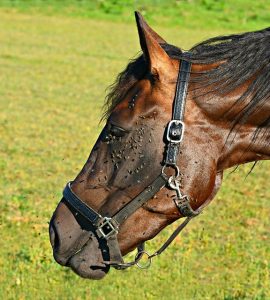
Horse's head covered with flies in the pasture

Since the female horsefly feeds on the host’s blood, they can easily transfer blood-borne diseases and parasites from one animal to another one. This includes the Equine Infectious Anemia (EIA) or Swamp Fever. This horse disease is caused by the EIA virus transmitted by biting and bloodsucking flies. Once EIA-positive, equines are infected for life.

While horse fly bites are painful for humans, they typically heal on their own with few side effects; serious and unusual reactions are not common.

Make Your Own DIY Fly Trap to Get Rid of Biting Summer Flies!

All you need is 4 simple items!


Protect Your Horse from Biting Summer Flies

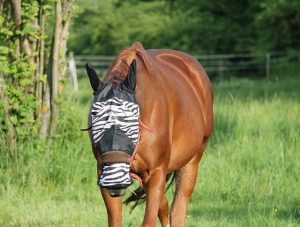
Horse wearing a face mask in the pastureSo how do you get rid of these pesky, annoying – and even dangerous – horse flies to protect yourself, your horse, dog and livestock from their insidious bites?

Products like fly masks, ear nets, fly boots, fly mesh sheets and repellent tags, can help protect your horse from biting horse flies. A powerful fan in barns can also help discourage horse flies as they do not like the wind. Flytraps are also a common way to address the problem of horse flies.

Disposable fly traps work the best at trapping horse flies with the added attractant which gets activated by sunlight and water. The attractant lures them into the trap where they eventually drown. A single trap can effectively catch up to 20,000 flies over several weeks before they need to be replaced.

Another simple – yet effective – DIY trap for horse flies uses an empty coke bottle plus rotten meat!

  1. Take a coke bottle and cut off the top about 1/3 of the way down from the top with a knife.
  2. Drill a 1 cm hole in the bottle cap.
  3. Put some rotten meat with some water in the bottom part of the bottle and insert the cut upper part upside down into the bottom part of the bottle.
  4. Seal the edges with tape to seal and hang near infested areas.
  5. The smell of the rotten meat will attract the horse flies to enter through the hole in the bottle cap but they will not be able to escape.
DIY Tiles on Marble Table
                                  Courtesy: https://wiredsmart.io/

Looking for other DIY trap ideas for getting rid of horse flies?

Click here to go to the Flies Only website!


Follow our blog …

for the second part of this important topic with a look at other biting summer flies and the natural repellents you can use.


The EquiGroomer Horse Kit

Regularly grooming your horse helps maintain their coat and gives you the opportunity to look for – and treat – fly bites.

 Our EquiGroomer tools make grooming your horse easier, stress-free AND pain-free! It’s the perfect gift for the horse lover and owner!

Order individual EquiGroomer tools or professional kits for your grooming shop, tack shop or barn, by calling 860-573-0604, sending us an email or visiting our website today!

Additional Reading:

Pest World: Horse Flies

Flies Only: How to Get Rid of Horse Flies – Facts & Control Techniques

The Horse: Flies and Bugs: Protect Your Horse

Horse Racing Sense: Horseflies: Facts You Need to Know? The Keys to Fly Control

The Royal Society: An Unexpected Advantage of Whiteness in Horses: The Most Horsefly-Proof Horse has a Depolarizing White Coat


It’s a stressful time right now for the whole new world!

But for our pets, it’s just another day as they are blissfully ignorant of the current world events. Perhaps it’s time to learn mindfulness from your pets!

What is Mindfulness?

Unfortunately, most of us have been taught or conditioned to react or respond to what we perceive as reality around us. When we do this, we Learn Mindfulness to Deal with Life's Challengesoften find ourselves worrying about the past or fearful about the future. Neither are natural states of being. Thankfully our pets always live in the moment, so let’s learn mindfulness from our pets!

Mindfulness is all about “being in the moment” and creating our own state of being. When we live in the moment (instead of the past or the future), we enjoy:

  • Enhanced mental clarity.
  • Improved concentration; and
  • The ability to better relate to others.

Learn the “7 Practical Tips to Achieve a Positive Mindset” from the Success Magazine.


Keep reading to learn how to master mindfulness from the masters themselves.


Learn Mindfulness From Your Pets, the Masters!

Our Animals Live with Mindfulness NaturallyThe one thing most of us have at this moment is time. Spending quiet and quality time with our animals can help us fine-tune our skills in mindfulness. Our pets have this amazing ability to relax and soothe us by just being close! Whether you have a dog, cat, rabbit, horse, or some other animal you love, pets naturally transfer us from the stressful chaos of our lives into being in the moment with petting, grooming, or even just cuddling with them.

I love hanging out with Clifford my horse even when he’s just grazing in the pasture. He reminds me to focus on and appreciate Mother Nature. He leads by example by living in the moment, enjoying the fresh air and the warmth of the sunshine. He doesn’t have a care in the world; especially about what tomorrow may (or may not) bring! (Click on the image to enjoy Clifford’s video!)


Want to practice mindfulness with your dog? Click here to learn more from Harvard Medical School.

Our Pets Teach Us Mindfulness and EmpathyWhat would our pets tell us if they could talk? Perhaps that slowing down and being present in this very moment will help us find the mindfulness and peace our hearts and souls crave.

“With the awareness and empathy you build while taking care of your pet’s needs, you enhance your ability to be more mindful in everyday interaction with friends and strangers alike.” All About Cats, an Online Community for Cat Lovers

Imagine how that would help your life and interactions with your co-workers, friends and even family.

Use Your Pets to Learn and Practice Mindful Meditation by Focusing on Them

Meditate with Your Pet

Use your pet to learn and practice mindful meditation by focusing on the little things about them. Softly touch them and really notice how soft their fur, feathers or coat is beneath your fingertips. Watch and breathe along with them. Lose yourself by looking in your pet’s eyes. If you’re cuddling, feel their heartbeat along with your own.

This is what means to be in the moment, just being together and enjoying a sense of calm awareness. Practice this same kind of attention and focus in other parts of your life and know you can call peace, relaxation and mindfulness to you anytime no matter what is going on in the world.


Learn how to meditate with your pet to relieve stress (yours and theirs!) with this article from the Animal Wellness Magazine!


Grooming Your Pet Helps You (and them) Release Stress and Be in the MomentStay mindful, healthy and positive!

The simple act of grooming your pet can help you (and them) release pent-up stress and enjoy being in the moment with them.

The EquiGroomer tools make grooming easy and pain-free brushing with NO pulling or damage to your pet’s topcoat or skin. Happy, relaxed pets and owners.

For individual or bulk orders, call 860-573-0604 or click here to send us an email.


Additional Reading:

How Pets Can Sharpen Your Mindfulness Skills

Meditation for You and Your Pets

Mindfulness and Your Dog

How Pets Can Help You Meditate and Be More Mindful

Image Credits:

Image by Myriam Zilles from Pixabay 

Image by yogakalyanii from Pixabay 

Video: Courtesy of EquiGroomer on Instagram

Image by Angeles Balaguer from Pixabay 

Image by La Miko from Pexels

Image Courtesy of EquiGroomer

Record hot temperatures have already been seen around the country.

Use the 9 tips below to protect your rabbit from the summer heat!


Regularly grooming your rabbit not only nurtures their overall health but helps keep them cooler in the summer heat by removing their loose hair.

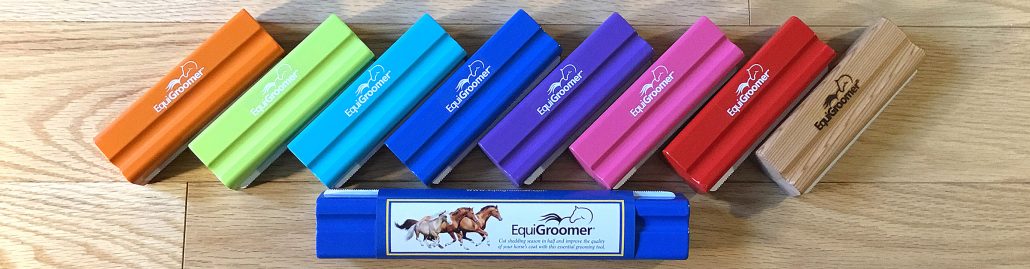
Our EquiGroomer tools make grooming your rabbit stress-free, pain-free with no injuries!

Grooming Tools from EquiGroomer

Order individual EquiGroomer tools or professional kits for your pet shop or tack shop, by calling 860-573-0604, sending us an email or visiting our website today!


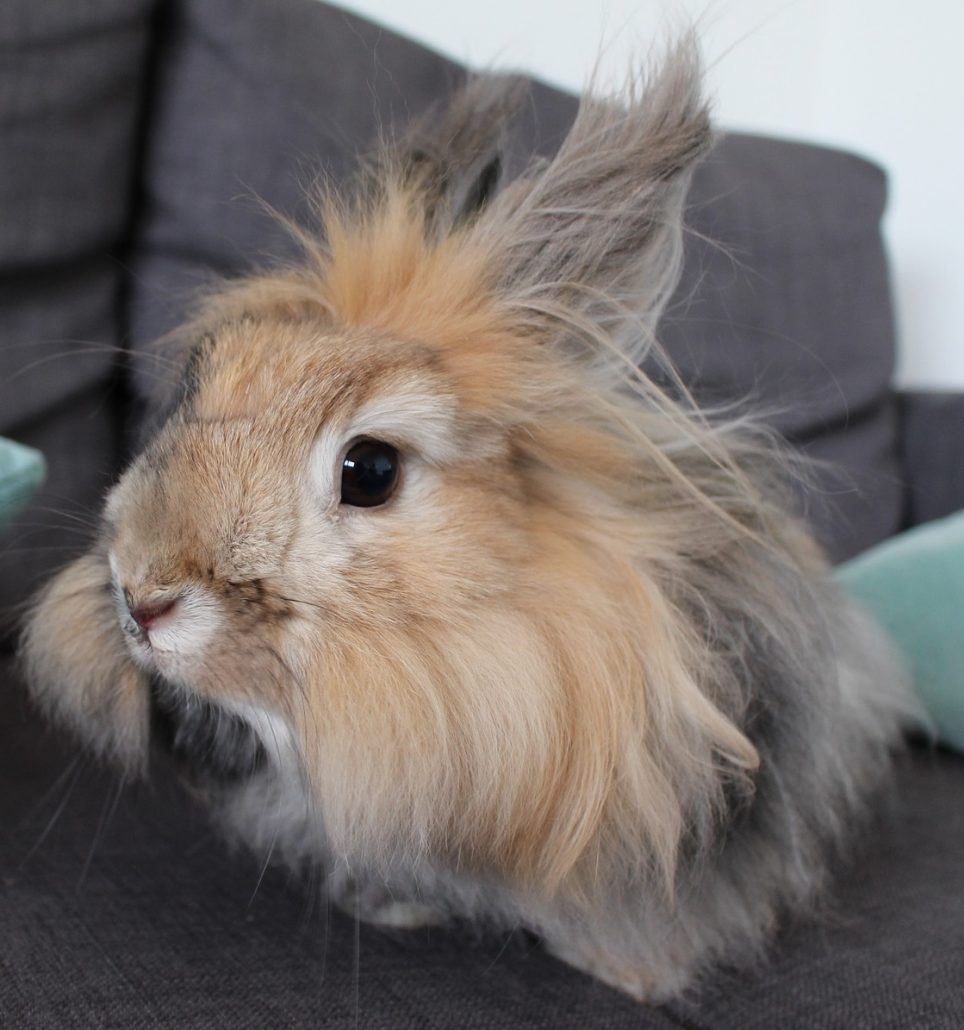
When is Warm too Hot for Your Rabbit? Little Angora Rabbit

It might be a lot lower than you think!

According to the PetLife website, most rabbits can comfortably handle up to 75 degrees F (or 24 degrees C). While that is mild for us, it may not be for your beloved rabbit especially if they are Flemish Giant or Angora rabbits who are more sensitive to heat.

The Cape Coop website cautions that rabbits begin experiencing heat-related stress at 85 degrees and above. If you live in a humid climate, remember to factor in the heat index even with cooler temperatures.

Signs Your Rabbit is Overheating

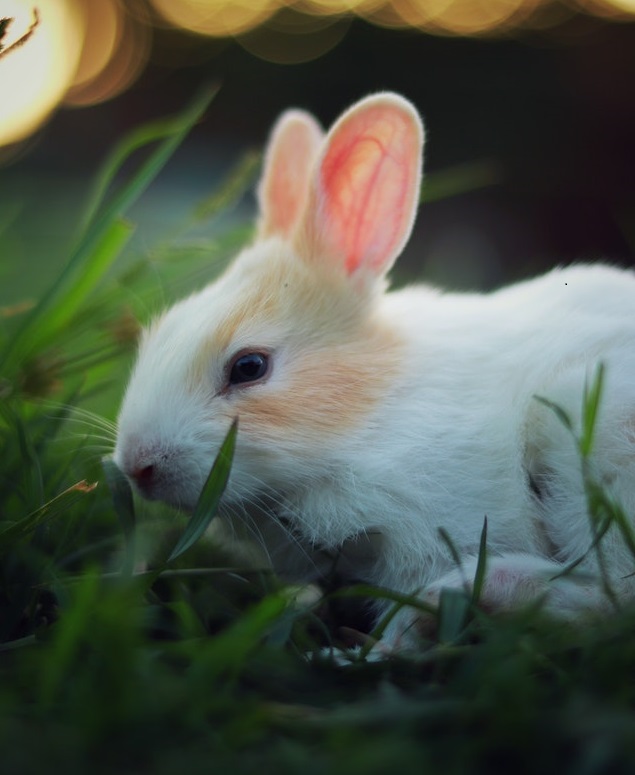
White Bunny Eating Grass

  • ~ Red, enlarged veins
  • ~ Ears that are hot to the touch
  • ~ Inflamed foot pads
  • ~ Fast, shallow breathing or gasping
  • ~ Nostrils flaring
  • ~ Partially shut eyes
  • ~ Wetness around – or under – the nose
  • ~ Listlessness, lethargy or dormancy

Keep reading to learn the simple tips to protect your rabbit from the heat!


Make a DIY “air conditioner” for your rabbit!

All you need is a cheap foam cooler, small fan, some pipe, and duct tape!


9 Tips to Keep Your Rabbit Cool

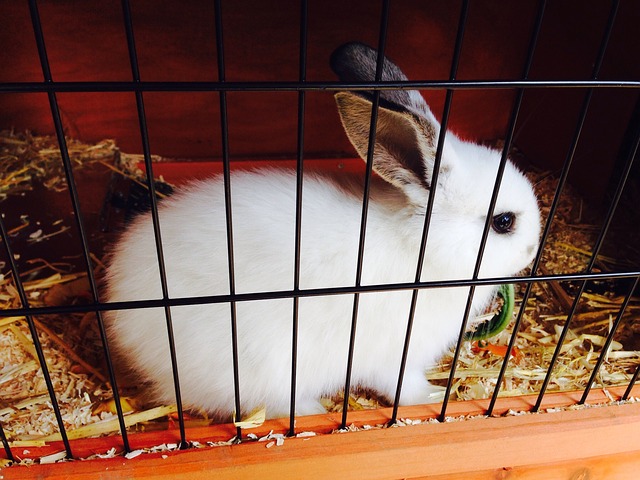
  1. Place them inside – with their hutch or cage – in a protected area, preferably Rabbit in Cageon hard surfaces that are easier to clean. Cooler garages and basements are also good.
  2. Run the AC for cooler temperatures. Fans may not always be enough to cool things down (including your rabbit) in extremely hot weather.
  3. If you only have a fan, make sure it is near your rabbit’s cage, but NOT directly blowing on them all the time, and it should rotate to maximize the airflow. Make sure your rabbit has enough space to move away from the breeze if they want.
  4. Fill a spray bottle with cool (not ice cold) water and mist your rabbit all over, particularly their ears. When the mist evaporates, it will naturally lower their temperature. Do NOT submerge a rabbit in the water! According to PetLife, rabbits have been known to die from being submerged as it shocks their system and exacerbates the issue of overheating.
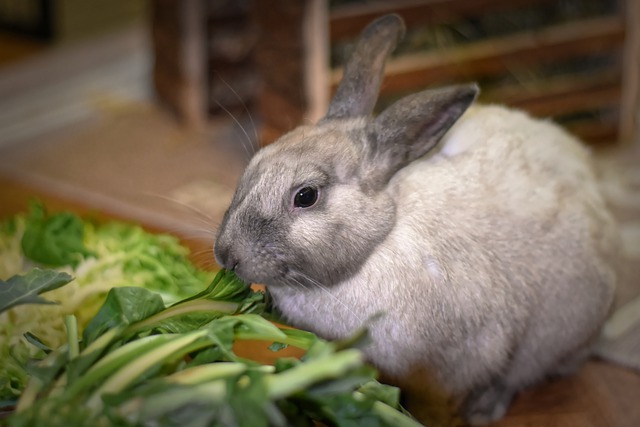
  5. For an outside rabbit, place a cool and damp towel over their cage to provide shade and cooling moisture. Do NOT put a damp towel on a rabbit. Gently wipe the backs of their ears with a cool, damp towel to also help them cool down. Rabbit Eating Fresh Greens
  6. Ice can also help your rabbit stay cool even when the mercury is soaring! Make sure your rabbit has a water bowl so they can get all the water they need (not a bottle with a sipper). Drop a handful of ice cubes in the water bowl and replenish as needed. Freeze some of your rabbit’s favorites treats in ice cubes too; keep them cool and busy!
  7. Another great way to cool down your rabbit is with frozen ceramic tiles. Freeze for just 15 minutes and lay them down near your rabbit to use. 
  8. Worried if your rabbit is getting enough hydration? Wash their daily greens and feed them wet.
  9. If necessary, trim away excess fur to help your rabbit stay comfortable.

Additional Reading:

House Rabbit Society: Keep Your Rabbit Cool in the Summer

PetLife: Keeping Your Rabbit Cool in Summer

The Cape Coop: Top 7 Ways to Keep Your Rabbits Cool in the Summer

Rabbit Hutch World: Keeping Your Rabbit Cool in the Summer


Image Credits:

Susanne Jutzeler, suju-foto from Pixabay

Neko412 from Pixabay 

Sachin Barodia from Pexels

Petar Starčević from Pexels 

PhotosForYou from Pixabay

Alexas_Fotos from Pixabay 

Product Image Courtesy of EquiGroomer
According to CNN, people are spending more time in the kitchen during the coronavirus pandemic for old-fashioned, homemade comfort! Be sure to include your pet with these healthy, DIY Pet Treats below!

Whether your pet is a dog, cat or horse, keep reading to find the perfect DIY Pet Treat recipe below with human-grade and healthy ingredients for the fraction of the cost of commercial treats! We promise you will be rewarded with purrs, licks and nudges!

Basic Ingredients Make Great Pet Treats

Homemade Treats for HorsesHorses Love Homemade Treats!

Carrots, apples and oats, oh my! What could be better for your horse than all his favorite foods in one treat?! Add some beneficial flax seed (high in Omega-3 fatty acids) for an irresistible treat that will also improve their coat!

Homemade Flax Horse Treats

1 cup ground flax seed

1 cup shredded carrots

1 cup shredded apple

2 cups quick oats

1-1/2 cups molasses

¾ cup water

½ cup brown sugar

Preheat oven at 350 degrees F.

Mix all ingredients together. More (or less) water may be needed depending on the consistency, it should be sticky. If it is too dry, add more water, a little at a time. If it is too runny, add some more flaxseed and rolled oats until the mixture sticks together.

Grease 2 cookie sheets. Using a spoon, make balls, about 2” wide and place on the greased cookie sheet. You can put them close together (but not touching) because they will not increase in size.

Bake the cookies at 350 degrees F for about 20 minutes.

Allow them to cool before removing from the cookie sheets and place them on a cooling rack or plate to thoroughly cool before feeding.


Find more horse treat recipes on these links:


Need some more inspiration for your human family?

Check out what others are creating on Facebook, Instagram and Twitter with #CoronavirusCooking!


Your Cat will Purr for Homemade Treats!Homemade Treats for Cats

Sardines are incredibly healthy for cats (and dogs). They are high in protein, rich in Omega-3 fatty acids and a variety of beneficial minerals including calcium, copper, iron and more. Preferably use sardines packed in water with no salt and share with Fido too!

Meow Yummy Sardine Treats (no bake!)

2 flat cans of sardines (do not drain)

2/3 cup cooked rice

1 tablespoon pureed liver

¼ cup chopped parsley

Combine all ingredients and mix well.

Shape into balls of desired size or simply spoon into a dish to serve. May be stored in the refrigerator for up to three days or frozen.


Find more cat treat recipes on these links:


Homemade Treats for DogsDIY Treats for Your Dog

Do you love gummy bears or other gummy candies? Time to share with your dog with this quick recipe with just TWO ingredients!

Chicken Gummy Paws Dog Treat Recipe (no bake!)

1 cup chicken or beef stock (low sodium)

2 tablespoons or packets of unflavored gelatin

In a small pot, bring the stock to a boil. Remove the pot from heat and let it cool for 3 minutes.

Whisk in gelatin until no clumps remain. Let the liquid cool off for a few minutes and pour into your favorite silicone molds or ice cube trays.

Refrigerate for several hours until set like Jello.

Want them faster? Put them in the freezer for about 90 minutes. NOTE: If you do freeze the treats, let them thaw before offering to your dog to avoid damaging his teeth.

Store treats in the refrigerator for up to two weeks or freeze for a couple of months.

Suggestions: Add mint, parsley, turmeric, pieces of fruit or veggies before refrigerating or freezing.


Find more dog treat recipes on these links:


Once your pet is full and happy with their homemade DIY Pet Treats, it’s the perfect time to groom them with our EquiGroomer grooming tools!

Stress-free, pain-free and injury-free grooming for you and your pet!

For Easy Grooming, Use the EquiGroomer Tools!

Order individual EquiGroomer tools or professional kits for your pet shop or tack shop, by calling 860-573-0604, sending us an email or visiting our website today!


Additional Reading:

The Horse: Horse-Approved Homemade Treat Recipes

Budget Equestrian: How to Make Homemade Horse Treats

Care.com: 10 Easy Homemade Treats Your Cat (and Instagram!) will Total Love

Must Love Cats: Homemade Cat Treats

Good Housekeeping: 12 Best Homemade Dog Treats to Make for Your Pup

 Puppy Leaks: 25 Simple Dog Treat Recipes


Image Credits (in order shown):

Steve Buissinne from Pixabay

Seksak Kerdkanno from Pixabay

Martina Seketa from Pixabay 

Felix Wolf from Pixabay

Alice Castro from Pexels

Product Image Courtesy of EquiGroomer
Many K9 guardians are grooming their own dogs because of the coronavirus shutdown. So EquiGroomer wants to help make your dog grooming smarter, not harder when it comes to carding or hand-stripping your dog.

Our EquiGroomer grooming tools make the experience pain-free, injury-free and stress-free for you and your pet!

Carding your dog is easier with EquiGroomer tools


Order individual EquiGroomer tools or professional kits for your pet shop or tack shop, by calling 860-573-0604, sending us an email or visiting our website today!


Our EquiGroomer grooming tools make the experience pain-free, injury-free and stress-free for you and your pet!

Order individual EquiGroomer tools or professional kits for your pet shop or tack shop, by calling 860-573-0604, sending us an email or visiting our website today!


If you are like many dog owners, you are suddenly finding yourself faced with grooming your dog while many grooming businesses remain onCarding your dog deals with their undercoat lockdown as non-essential businesses. With the arrival of spring and even summer temperatures, many are challenged with effectively grooming their dog’s undercoat and topcoat after the long winter. With more daylight hours and warmer temperatures, shedding dogs are a big issue right now.
So, does your dog need carding, hand-stripping, both or neither one? (Hint: they are not the same thing.)

Before you decide, let’s take a quick look at each process separately.

The Dog’s Undercoat: Carding

Carding is a grooming term – and process – to describe the removal of a dog’s undercoat. The undercoat is the soft, short, downy and dense hair under the top (or outer) coat. The undercoat insulates and protects the skin in colder weather.

Carding is accomplished by using:

The shedding tool will grab, pull and remove (or thin out) the dead or molted undercoat hair which may not fall out on its own with the warmer temperatures. Removing this heavier winter undercoat will also help your canine stay comfortable – and cooler – in the heat.

Carding is typically done on dogs who:

  • Have thick fur
  • Have a double coat
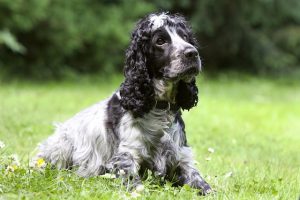
    • Including the Sporting Breeds like Cocker Spaniels and Setters to help the topcoat lay flatter with a smoother appearance
    • Goldens, Huskies, Collies and Pomeranians
  • Are Short-Coated
    • Including Pugs, Chihuahuas, Labs and others

The Dog’s Topcoat: Hand-Stripping

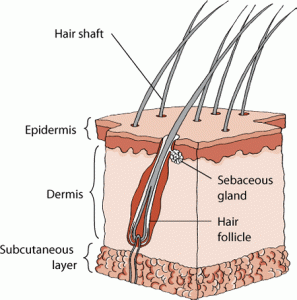
In contrast, hand-stripping a dog describes the process of removing the Hand-stripping your dog involves the follicles of their topcoattopcoat (also known as a guard coat) that helps repel water, dust and dirt while also protecting the skin from injury. The guard coat is made up of guard hairs which are coarser in texture (i.e., wire-haired) and are thicker and longer.

Hand-stripping removes the guard hairs from their follicles by pulling or plucking them out with the thumb and forefinger while leaving the undercoat untouched. When done properly (gently and in the direction of the hair growth), your dog will not feel any pain. Hand-stripping is an alternative to clipping a dog’s topcoat with clippers or scissors.

Not all dogs need to be hand-stripped, it is more about the type of coat than about the dog’s breed. Also, some coats will require just seasonal stripping, while others will need to be stripped more frequently.

Hand-stripping is typically done on the following breeds:

  • Airedale Terrier
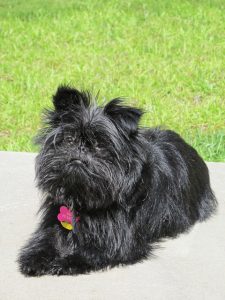
  • Affenpinscher The Affenpinscher requires hand-stripping their coat
  • Bouvier de Flanders
  • Cairn Terrier
  • Dandie Dinmont Terrier
  • German Wirehaired Pointer
  • Irish Wolfhound
  • Jack Russel Terrier
  • Schnauzer
  • Scottish Terrier
  • Wire Fox Terrier
  • Wirehaired Dachshund
  • Wirehaired Pointing Griffon

Benefits: Carding and Hand-Stripping

Whether you – or your groomer – is carding or hand-stripping your dog, this kind of grooming is vital for their overall healthy coat and skin! These grooming processes help:

  • Stimulate the hair follicles for new healthy hair growth; and
  • Stimulate the tiny sebaceous gland’s production of natural and lubricating oils called sebum.

Remember, just like with humans, the skin is your dog’s largest organ and its health and condition are crucial to the overall well-being – and comfort – of your four-legged companion. 

Additional Reading:

Grooming Smarter: What is Carding?

The Honest Kitchen: Basics of Hand Stripping

Dog.com: Dog Fur Facts

Dog Grooming Tutorial: Carding and Combing a Dog’s Coat During Grooming

PetGuide.com: Grooming Basics: All About Hand Stripping

Image Credits:

Kobus van Leer from Pixabay 

Pixabay from Pexels

EquiGroomer

Steve Sewell from Pixabay 

MSD Veterinary Manual

Ida Damkilde from Pixabay 

EquiGroomer

Our last blog focused on how to protect your horse from spring mud and the abundance of moisture in paddocks, pastures, and stalls. Today’s post will focus on another common spring issue, shedding! Learn how to survive your horse’s spring shedding AND what it may reveal about your equine’s health.


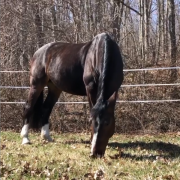
Spring Means Shedding … and a LOT of It!Spring Shedding Means a Lot of Horse Hair

Ahh, springtime! Warmer temperatures, longer daylight hours, and beautiful new growth every way! But it also means something else, your horse’s spring shedding of their heavier winter coats. 

While most horses will begin shedding with the emergence of spring, this is not true for all horses.

Keep reading to learn why some horses may not shed on time or as quickly as others.

Consistent Equine Grooming Is Critical for Your Horse’s Health!

Equigroomer Grooming Tools Addresses Your Horse's Spring Shedding

Maintaining a regular grooming routine year-round helps ensure proper shedding and new hair growth!

Check out our 20-Piece Equine Tack Shop Start Kit to make grooming your horse easier, faster and more comfortable!

For individual or bulk orders, call 860-573-0604 or click here to send us an email.

Equigroomer Grooming Tools Addresses Your Horse's Spring Shedding

Maintaining a regular grooming routine year-round helps ensure proper shedding and new hair growth!

Check out our 20-Piece Equine Tack Shop Start Kit to make grooming your horse easier, faster, and more comfortable!

For individual or bulk orders, call 860-573-0604 or click here to send us an email.

It’s NOT About Warmer Temperatures

While shedding is a springtime nuisance, it’s actually a “complex physiological process” which can tell you a lot about your horse’s overall health.

Did you know that your horse’s spring shedding is NOT triggered by warmer temperatures? Equus Magazine explains:Shedding by Your Horse is Due to Extended Spring Daylight Hours

Shedding is not triggered by temperature. It’s linked to photoperiods. As the hours of daylight increase, a horse’s winter coat begins to loosen and shed. This process started way back in late December, but you usually won’t see the obvious, hairy results until now.

Each horse should shed on a consistent schedule each year; even though that timeframe may be different for each horse. Individual horses will also shed their winter coat in the same pattern each year (i.e., shedding from their necks first and then along their flanks).

But what if your horse is not shedding as usual? Below we explore some of the health reasons a horse may not be shedding “on time.”

The Johnny-Come-Lately Shedding Horse

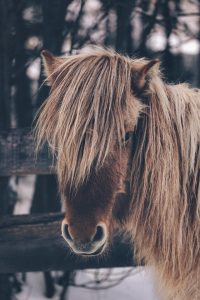
Is your horse keeping his heavy winter coat longer this year? There may beSenior Horses May Shed Later a few medical reasons behind it.  

Cushing’s Disease

  • If your horse normally sheds his winter hair at the same time each year, shedding his hair late could be a sign of Cushing’s Disease (especially if your horse is over 7 years old). Cushing’s Disease is a common hormonal disorder in equines involving a dysfunctional pituitary gland which can disrupt timely shedding.
  • Another sign of Cushing’s Disease includes long “cat hairs” under their belly and chin which typically shed last.
  • Contact your veterinarian right away to get a proper diagnosis and treatment plan (and to avoid the development of laminitis).

Deworming

Another issue behind a horse shedding late may involve the need for deworming. Usually, administering a dewormer – if needed – will encourage the complete shedding of their winter coat. Your veterinarian can best advise you.

It Might be Your Barn!

If your horse is completely healthy and parasite-free, your barn may be atYour Barn Can Affect Your Horse's Spring Shedding! fault! Since the extra daylight hours trigger a horse’s winter coat to shed, artificial lighting and dark barn interiors may cause a delay in timely shedding. To remedy this issue:
  1. Give your horse 24-hour access to pastures.
  2. Adjust your turnout schedule; or
  3. Use full-spectrum bulbs in your barn’s lighting fixtures timed to turn on and off automatically for providing a total of 16 hours of daylight (natural and artificial).

Not Enough Grooming and Brushing

While medical issues may be behind your horse’s late shedding, it might also be something as simple as not providing enough vigorous grooming and brushing to effectively promote your horse’s normal shedding schedule.

Make sure you keep up with your regular grooming and brushing to help stimulate the hair follicles for shedding the old winter coat and encouraging new healthy growth!


 Always check with your regular vet to properly diagnose and treat your horse relative to their health history and overall condition.


 Additional Reading:

Spring Shedding in Horses: Troubleshooting a Late Shedding Horse

What Shedding Can Tell You About Your Horse’s Health

Cushing’s Syndrome in Horses

Help Your Horse Shed its Winter Coat

 Image Credits:

Photo by Tim Savage from Pexels

Photo by Eberhard Grossgasteiger from Pexels

Photo by Brandon Randolph from Pexels

Photo by Rodolfo Quiros from Pexels

Image by PublicDomainPictures from Pixabay

Product Image: Courtesy of EquiGroomer

Welcome to the second part of keeping your pet healthy, happy, and safe this winter!

This new post focuses on protecting our cats and horses from winter pet challenges.

As we mentioned in our first blog (protecting dogs), our pets depend upon us to ensure their health, comfort, and safety, especially against winter pet challenges. Despite their fur coats, our pets are still challenged by the cold and wet of winter.

It’s critical to educate ourselves about the winter challenges for our pets. Keep reading to learn the tips for protecting cats and horses during winter.


Winter Pet Challenges: Cats

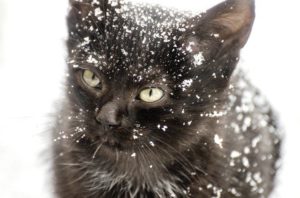
Never leave your feline out all winterIf you allow your feline to roam outside during the winter months, always watch the time (keep it short) and monitor their reactions to the cold. Do not let them out during the coldest times of the day or night.
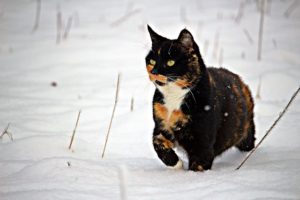
Domestic felines (as opposed to feral felines) do not have coats to adequately protect them in winter.

  • Never leave your family cat outside all winter (even with a shelter).
  • Frostbite: Cats are highly susceptible to frostbite on their ears, nose, tail, and toes. Affected areas will be pale or bluish-white in color.Cats are very susceptible to frostbite! Immediately get your cat to your vet!
  • Hypothermia: If your feline begins to shiver outside, bring them inside immediately to prevent life-threatening hypothermia. Towel-dry them, including paws and toes.

Other signs of hypothermia may include unusual anxiety, crying, or lethargy.

NOTE: If your cat does not stop shivering in a reasonable amount of time, call or take your cat to your veterinarian!

  • Paws & Toes: Check between the toes for frozen snow, ice, dirt, orUse olive oil or petroleum jelly on kitty paws rock salt (you don’t want your cat licking any de-icing agents or chemicals). Also, check the paws for cracks and cuts. Massage moisturizing petroleum jelly or olive oil into your feline’s paws and between the toes.
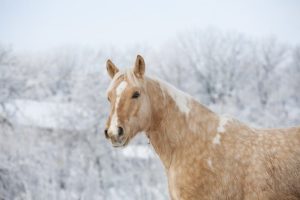
 AVOID cortisone cream, tea tree oil, or other essential oils on your cat’s paws without checking with your vet first!

  • Lean Protein: If your indoor cat spends regular time outside, feed them more lean protein.
  • Dry, Flaky, and Itchy Skin: Add a small amount of olive to the food (less is more to avoid an upset stomach). Using a home humidifier can also help.
  • Holiday Risks: During the holidays, remember holly and mistletoe are toxic to cats (and dogs).

Protecting Horses in Winter

  • Shelter: During the winter, horses need access to a barn or, at a minimum, a three-sided structure to protect themselves.
  • Horse Blankets: Well-fitted blankets keep horses warm and dry.
    • Blanket horses in potential rain, ice, and/or freezing rain. But never put a blanket on a wet horse.
    • Body-clipped equines should be blanketed throughout the winter season.
    • Blankets should be used on very young/very old equines or those not yet acclimated to the cold.
    • Horses with a body condition score of three or less should always be blanketed.
  • Unfrozen Water: Ensure your horse’s access to unfrozen water. Horses need more water during the winter to prevent dehydrationHorses need more water during winter and colic.
    • Heated buckets, heaters, or de-icers will keep water from freezing. The University of Minnesota recommends warm water between 45° and 65° F. (Snow and ice are not adequate sources for water.)

Use the Henneke Body Condition Scoring for your Horse

  • Winter Feeding: Feeding your horse more (even unlimited) forage will create more heat and efficiently regulate their body temperature.
  • Special Care: If your horse requires special care during the summer months, that same care must be continued through the winter.
  • Equine Skin Care: Horses are prone to skin problems during the winter, including ringworm, lice, and mites. To learn more, click here: The Horse, “Winter Skin Problems.
  • Hoof Care: Keep up routine hoof care during the winter, including:
    • Trimming: Every 6 to 12 weeks.
    • Daily Picking: To remove packed ice or snow.

Hoof care is still critical during winter months


Additional Reading:

Five Ways to Protect Pets This Winter

Tips for Protecting Your Cat This Winter

Top 10 Winter Skin and Paw Care Tips

How to Care for a Cat’s Paws

Caring for Your Horse in the Winter

Tips to Protect Your Horse’s Skin in All Kinds of Weather

Winter Skin Problems

Under, Over, or Ideal (Henneke Body Condition Scoring Scale)

Product Images are Courtesy of EquiGroomer

It’s certainly a difficult and unusual time with the coronavirus. Especially for those with pets who require regular grooming.  Even with groomers closed, you must regularly groom your pet during coronavirus!


Despite the current state of the world, our pets need their overall well-beingConsistent Grooming is Essential During Coronavirus for You and Your Pets attended to regularly, daily. In this unprecedented time, our pet’s health is equally as important as our own! Our pets rely upon us daily to protect them and ensure their best health and quality of life. Also, during all the uncertainty, we need our beloved pets even more for their infinite love, support and companionship while we all self-quarantine.
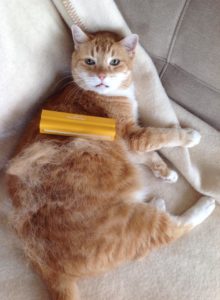
Since many groomers have been ordered to close as “non-essential” businesses, dogs, cats, and even rabbits still need to be groomed regularly and consistently for their overall comfort and health.


Consistent pet grooming involves 10 essential basics for ensuring physical and mental benefits. Click here to read/review our previous post.


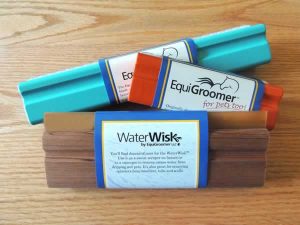
No matter what is happening around us, regular brushing is essential to your pet’s overall hygiene, health, comfort and happiness. Our EquiGroomer grooming tools make the experience easier, more comfortable, and stress-free!


Regular Grooming Is Always Appropriate

Grooming Your Pet Also Benefits Your Stress With Coronavirus!By keeping up with your pet’s regular grooming, you can keep your pet’s coat in good shape, without painful matting, burrs and/or allergens. You can also address any potential health issues before they require a potentially stressful visit to your veterinarian during the shelter-in-place mandates.

By keeping up with your pet’s regular grooming, you can keep your pet’s coat in good shape, without painful matting, burrs and/or allergens. You can also address any potential health issues before they require a potentially stressful visit to your veterinarian during the shelter-in-place mandates.


Brushing Your Pet Benefits You Too!

With all the uncertainty and “unknowns,” many of us may be feeling additional stress and a loss of control. Brushing your pet daily helps relax it and is also priceless when it comes to naturally reducing stress. Grooming your pet regularly during coronavirus will strengthen the bond between you and your precious pet.


Can Your Pet Get or Transmit Coronavirus?

There have been many rumors and misinformation about the coronavirus and domestic pets. So, we’d like to take a quick moment to address what you need to know.

  • While there IS a “coronavirus” for canines (called CCV or canine respiratory coronavirus) and felines (feline coronavirus), the current COVID-19 virus strain is not connected in any way.
  • The WHO, CDC, AVMA and AKC all agree there is no imminent threat from our pets for transmitting the Coronavirus. Please do not abandon your pet!
  • According to the AVMA, even petting a dog’s fur is considered low-risk because the virus survives best on smooth surfaces.
  • Your pet does not need a face mask for protection.
  • Groom your pet regularly during coronavirus to eliminate any chance of the virus being on your pet’s coat and to maintain the best possible hygiene in your home.


Coronavirus Update on Pets Video

For further information, watch the “COVID-19 Update on Pets” video with Rodney Habib, Dr. Karen Becker and Dr. Sarah Caddy of the University of Cambridge.


DIY: Pet-Safe & Natural Sanitizers

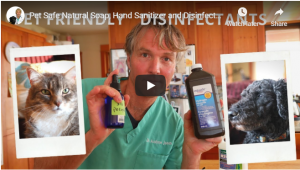
With the ongoing shortage of commercial sanitizers, you can make your own pet-safe products with the video below from Dr. Andrew Jones!

Use Pet-Safe and Natural Sanitizers During Coronavirus


Veterinarian Andrew Jones’ DIY Pet Safe Natural Soap, Hand Sanitizer & Disinfectant


As we all move through this uncertain time together, stay safe, healthy and positive!


Equigroomer Tools Makes Pet Grooming Easier!

The EquiGroomer tools offer easy and pain-free brushing with NO pulling or damage to your pet’s topcoat or skin.

For individual or bulk orders, call 860-573-0604 or click here to send us an email.


Additional Reading:

DIY Tips for Grooming a Dog at Home

Cat Grooming

Rabbit Grooming

Your Pets Unlikely to Get or Give Coronavirus

Can Pets Get Coronavirus (COVID-19) from Humans? Here’s What Vets Know

 Product Images are Courtesy of EquiGroomer

Although officially it’s not yet Spring, warmer temperatures, melting snow and rain are already creating muddy headaches for horse owners. This post will help you safely navigating spring health issues with your horse.

Consistent Equine Grooming Is Critical for Your Horse’s Health!

“Horses evolved on prairies; their feet are healthiest when kept away from wet conditions. Nature designed them for a dry climate, just like she designed them to be moving and grazing all day.” Julie Bullock, DVM, Equine Practitioner, and Farrier in Mt. Sidney, VA

Spring Moisture and Its Challenges for Horses

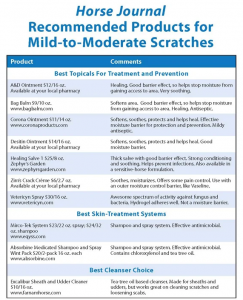
While it’s a natural transition from the winter season to green pastures, springtime for your horse poses some tricky issues. When hooves are continuously moist, muddy, or even waterlogged, they become vulnerable to a variety of health conditions, including scratches, rain rot, and thrush. Below, we’ll take a closer look at each of these issues.

Spring and Your Horse: Scratches

  • AKA: Pastern Dermatitis, Dew Poisoning, and Grease/Greasy Heel
  • Caused by:
    • Moist and dirty stalls, muddy paddocks and pastures

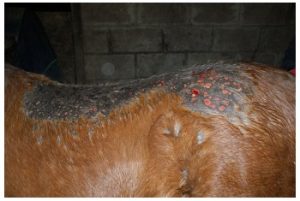
      Equine Spring Challenge: Scratches
             Courtesy: Western Horse Review
    • Exposure to wet, scratchy grass causing local irritation
    • Bacteria (the same organism behind rain rot)
    • Chronic skin inflammation
    • External parasites (i.e. mites)
  • Symptoms:
    • Painful inflammation and lesions around exposed pasterns (the top and back of the hoof, but may cover the entire lower leg)
    • Scaly, crusty and scabby skin with swelling and redness
    • Hair matting
    • Lameness
  • Horses with white legs and heavier equines (i.e., draft horses) may be more susceptible
  • Not normally considered contagious


Click here to learn more about Scratches prevention and more treatment options at EquiSearch.com.


Spring and Your Horse: Rain Rot

  • AKA: Rain Scald and Mud Fever
  • Caused by:
    • Bacterial spores
    • Heavy rainfall, high humidity and warm temperatures
  • Symptoms:
    • Crusty scabs that peel off with clumps of hair

      Equine Spring Challenge: Rain Rot
             Courtesy: Horse Answers Today
    • Bare spots on the skin
    • Itchiness
    • Small, pus-filled bumps called pustules
    • Scabby tufts called “paintbrush lesions”
  • Highly contagious to other horses, animals, and humans
  • Sometimes mistaken for ringworm, a fungal disease
  • Treatment:
    • If left untreated, rain rot can lead to secondary infections
    • Do NOT share tack, equipment, or grooming tools with an infected horse.
    • Separate infected animals to prevent from spreading
    • ONLY use rain sheets or blankets that are breathable
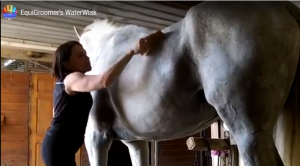
    • Help prevent rain rot by scraping all excess water off after bathing (our WaterWisk makes this quick and easy) and making sure the horse is completely dry.
    • Click here to learn about home remedies for addressing rain rot.

Video: Courtesy of EquiGroomer


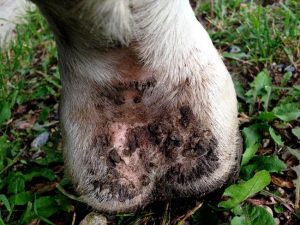
Spring and Your Horse: Thrush

  • Caused by:
    • Wet and muddy conditions and unsanitary stalls
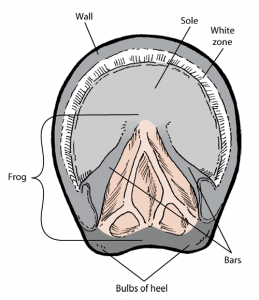
    • A degenerative infection from packed mud in the equine foot  (specifically in the grooves of the horse’s frog and hoof cracks)
    • Heavy rainfall, high humidity, and warm temperatures

      Equine Spring Challenge: Thrush
              Courtesy: Merck Vet Manual
  • Symptoms:
    • A painful infection
    • Visible dark, gooey discharge with a foul smell (like rotting cheese)
    • Change in hoof color
  • Horses with high-set, deep heels are more susceptible
  • Treatment:
    • Move the horse to a clean and dry environment to encourage healing
    • Click here to learn about 10 treatments for equine thrush (including apple cider vinegar).
  • Prevention:
    • Carefully and gently pick your horse’s feet daily, before and after riding
    • Swab daily with a gentle preventative/powder


This information is not a substitute for professional medical advice. Check with your regular vet or farrier to best treat your horse considering their health history and overall condition.


Consistent Equine Grooming Is Critical for Your Horse’s Health!

Maintaining a regular grooming routine year-round helps detect skin and other health issues early and ensures quick and effective treatment!

Check out our 20-Piece Equine Tack Shop Start Kit to make grooming your horse easier, faster, and more comfortable!

Horse Grooming is Critical for Your Horse's Health

For individual or bulk orders, call 860-573-0604 or click here to send us an email.

 _____________________________________________________________________________________________________________

Additional Reading:

The Trouble with Mud

4 Horse Hoof Problems Caused by Mud and Rain

Mud-Related Health Problems

How Do I Get Rid of Rain Rot?

Thrush in Horses: Tips and Cures

Product Image: Courtesy of EquiGroomer

Refer a Friend

Refer a Friend