0 item(s) in cart

With freezing temperatures and dry winter air, the air inside our homes becomes even drier and that means winter challenges for our pets.
The Grooming Tools YOU Can’t Live Without this Winter!
With our pets spending more time inside during the winter months, you may begin noticing more sinus problems from built-up dander, dead hair and pet allergens!
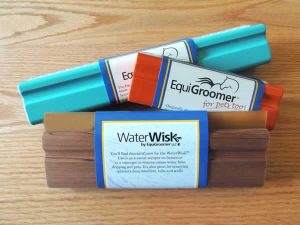
The EquiGroomer Grooming Tools along with bathing can really help cut down on accumulating dead hair, pet dander and allergens inside your closed-up house!
For individual or bulk orders, call 860-573-0604 or click here to send us an email.
If there’s one thing we can commiserate with our pets, it’s dry winter air! With seasonally low humidity and constant heating, even humans are challenged with dry, flaky skin, respiratory problems like bronchitis, dried out, achy sinuses and sudden nosebleeds.
Imagine how your pet feels!
Winter Issues for Our Pets
Dry winter air and even drier air inside cause real challenges to our pet’s overall health. Issues like: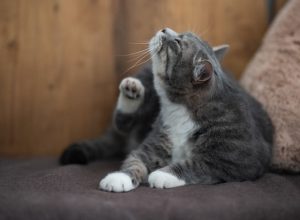
- Dry skin;
- Dandruff;
- Itching; and
- Static electricity.
To help address the challenges from dry winter air, use a humidifier to put moisture (humidity) back into your home.
Want to avoid buying an expensive humidifier? Try water-filled vases on windowsills exposed to sunlight, boil a tea kettle on the stovetop and place metal or ceramic bowls of water on heat radiators or registers.
Reduce static electricity by dusting with a non-static dryer sheet – wipe down furniture too.
Keep reading to learn other effective remedies to help keep your pets comfortable despite the dry winter air.
Dry Winter Air: Canines
Even with the extra protection of their fur coat, canines are still challenged by dry winter air and the effects on their skin can be exacerbated by regularly going in and outdoors.
“Excessively dry skin on your dog will manifest itself in ways you might expect, such as dandruff-like flaking and brittle hair. But excessive scaling … could be a sign of a bacterial skin infection, which requires veterinary attention for treatment.”
(Dr. Nicole A. Heinrich, Veterinarian, McKeever Dermatology Clinics)
Remedies:
- Dog-friendly topical moisturizers (weekly or every other week; ask your vet)
- Increased brushing to stimulate and distribute the skin’s natural oils
- Vitamin E oil for dry noses
- Limited bathing with a dog shampoo/rinse with soothing moisturizers like oatmeal and aloe vera
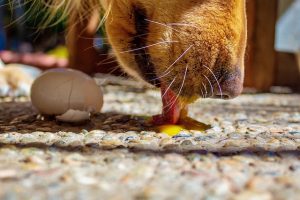
- Increased Essential Fatty Acids (note: always speak with your vet first):
-
- For conditioned skin:
- Zinc & Vitamin A
- Raw eggs
- Sardines & Herrings
- For mild, seasonal allergies like dust mites, human dander, cotton, wool and mold. Antihistamines can be sparingly used (like Benadryl), but the natural alternative, Quercetin or Quercetin Bromelain, is much safer for dogs. Quercetin is part of a group of natural, water-soluble plant pigments called flavonoids. (Long-term use of OTC products like Benadryl (specifically the ingredient diphenhydramine) may cause dementia in dogs and humans.)
- For conditioned skin:
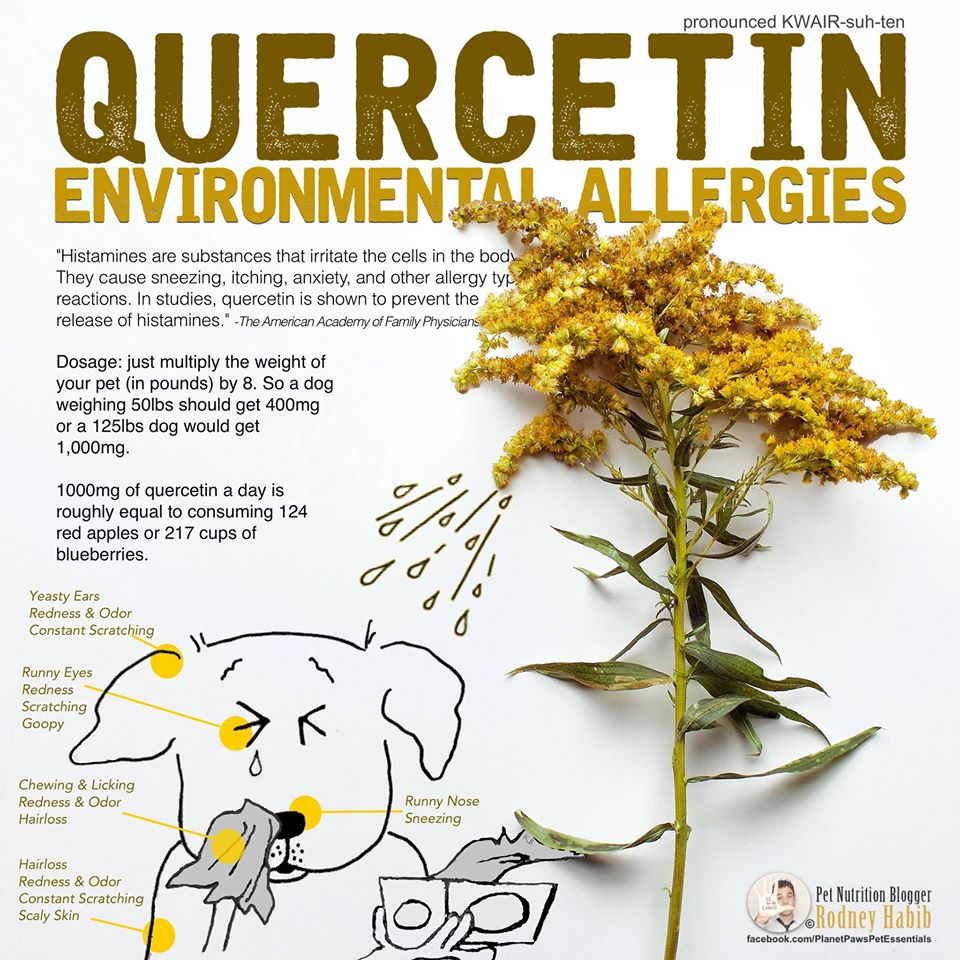
Courtesy: Rodney Habib, Pet Nutrition Blogger
Dry Winter Air: Felines
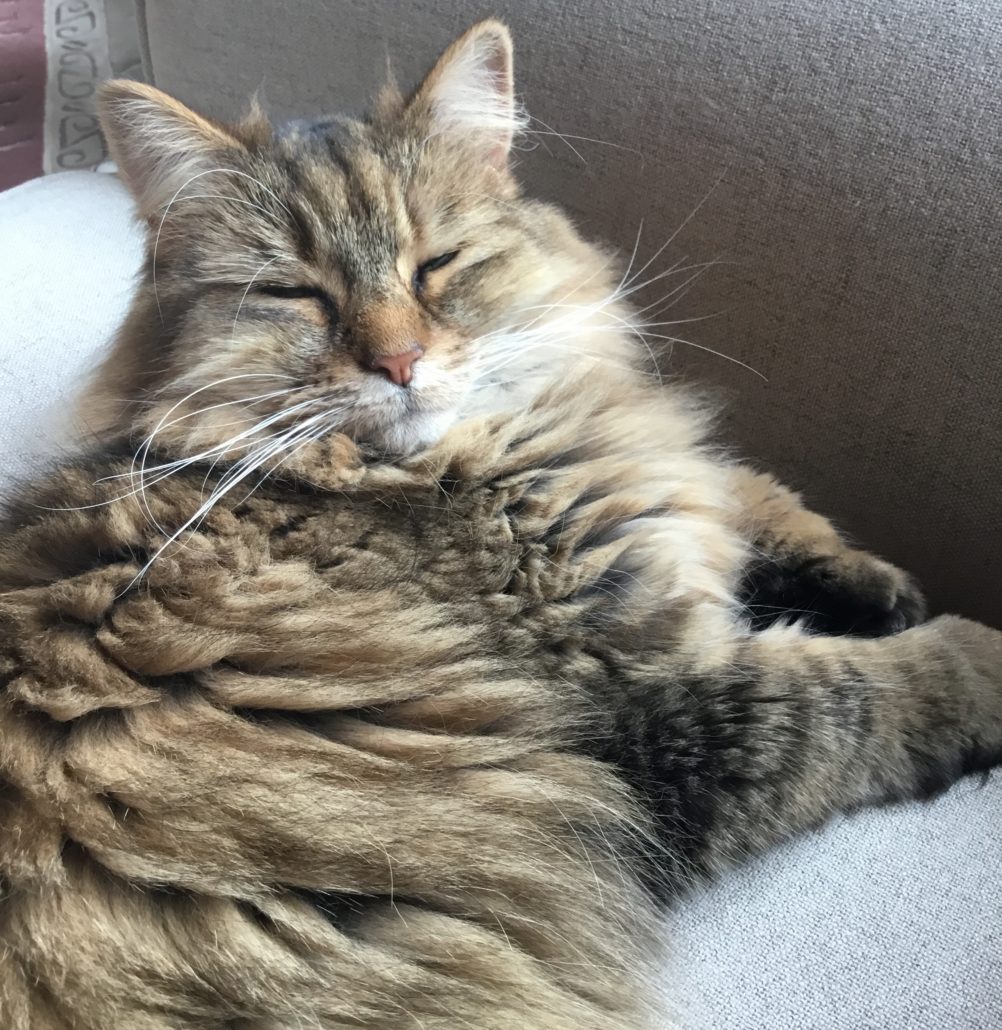
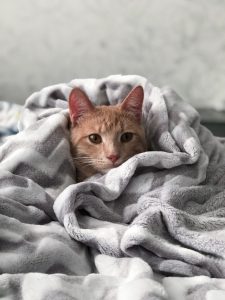 Just like their canine friends, our felines are just as susceptible to winter dryness. But excessive itchiness and scratching can lead to unwanted infections and wounds for your cat. Below are some remedies to keep your cat’s skin well-conditioned.
“Good nutrition is essential for your cat’s healthy skin and coat … along with good hydration for the optimal function of every feline organ including her skin.” (iheartcats.com)
Remedies:
- Increased brushing to stimulate and distribute the skin’s natural oils. Avoid bathing your cat in winter.
- Increased Omega-3 Fatty Acids (note: always speak with your vet first).
- Vitamin E.
- Feed a high-quality cat food with a high content of water.
- Add olive, fish, krill and mussel and coconut oils to food (coconut oil can also be massaged into the fur). Do not use grapeseed or flaxseed oil, cats cannot properly process these oils.
- Cats can also suffer from seasonal allergies. Like dogs, cats can be given an OTC antihistamine. But the natural alternative, Quercetin or Quercetin Bromelain, is much safer.
With some proactive care and remedies along with your vet’s advice, you and your pets can comfortably enjoy the winter season!
Additional Reading:
6 Tips for Treating Your Dog’s Dry Winter Skin
6 Tips for Your Cat’s Dry Winter Skin
6 Tips for Keeping Your Dog’s Skin and Coat Healthy during the Winter Months
Cats with Dry Skin – Best Natural Remedies for Dry Skin in Cats
Image Credits:
Image by JacLou DL from Pixabay
Photo by Buenosia Carol from Pexels
Image by Nicholas Demetriades from Pixabay
Image by Rodney Habib, Pet Nutrition Blogger
Photo by Tatiana Azatskaya from Pexels
Product Image: Courtesy of EquiGroomer
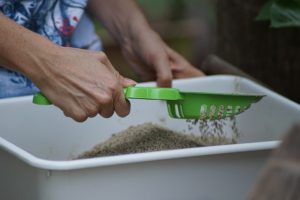 Change My Litter!
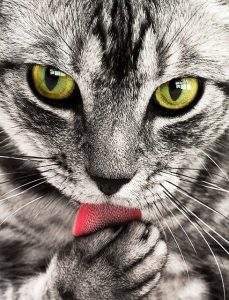 healthy) kitty treats contain:
 Feed Me a High-Quality Diet!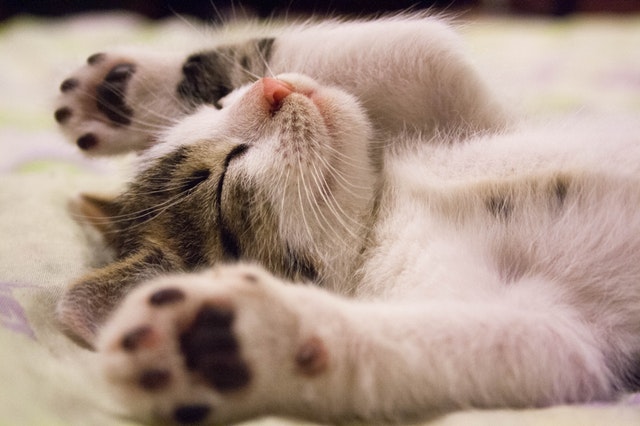
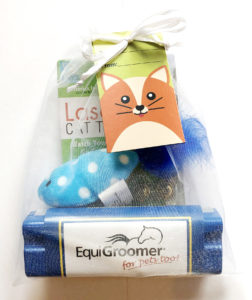
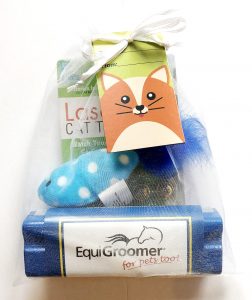 The Giftbag Your Feline Can’t Live Without!
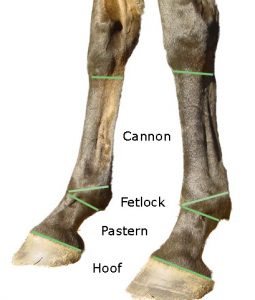
 Healthy Horses Have Healthy Hooves
 areas:

 Despite the freezing temperatures, slippery, snowy conditions and cold winter winds, the canines of our lives still need to stay physically active with regular walks even if they are shorter. Physical activity not only helps our dogs stay happy and healthy but also helps them avoid risky K9 obesity and its related health issues. But winter also creates different dog grooming needs.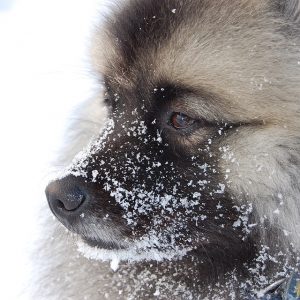
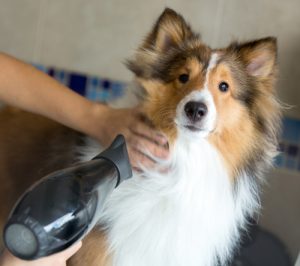 itchy skin on your canine.
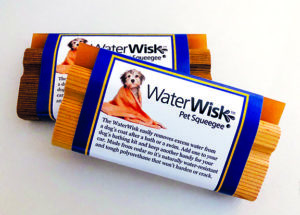 Save both time and mess when bathing your dog!
 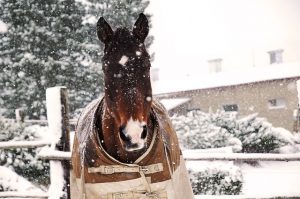 temperatures can cause moisture to evaporate from your horse’s skin leading to dry hair and skin. In addition, cold winter winds also cause the skin to become irritated, chapped and flaky.
 Carefully chosen – and properly used – herbs and essential oils are powerful in soothing, nourishing and healing dry skin. They can also help alleviate the intense itchiness which often deteriorates into a never-ending cycle of inflammation and exacerbated itchiness.
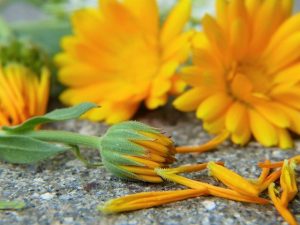

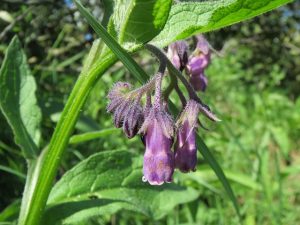

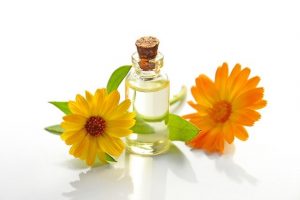
 Regular grooming keeps your horse’s skin well-conditioned!


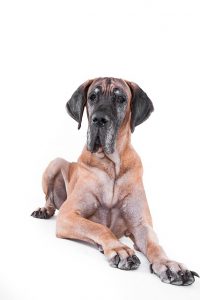 10-20 years (and even longer). So, people should adopt their own pets when they are ready for the commitment with time, finances and training.
 bring a new puppy, kitten or even older pet into the home. There are also additional risks for pets at the holidays including decorations, lights, candles, trees, strangers, rich foods and snacks and alcoholic drinks. Holidays can be just as overwhelming and stressful for pets especially in a brand-new home with people they have not bonded with.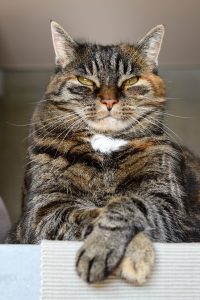
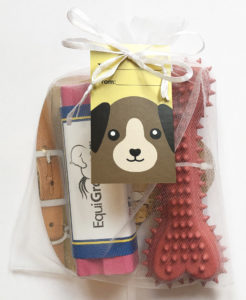
 Need Stocking Stuffers for the dog lovers in YOUR life?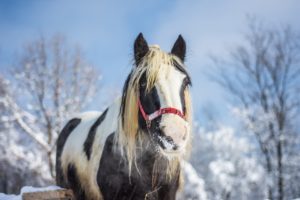
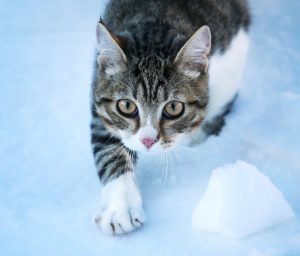 By educating ourselves about the unique challenges of winter, including wet, stormy, and freezing weather, pet owners can effectively keep their pets comfortable and safe while also preventing illness – or worse – for their beloved animal companion.
 suffer negative effects from extended exposure to snow, ice and plummeting temperatures. It’s better to go out more often for shorter lengths of time. If your dog begins regularly lifting his paw(s), it’s time to go inside, warm up and check his paws.
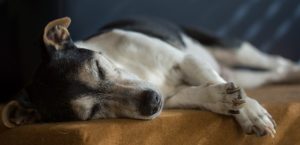 Each stage of your pet’s life has its own requirements for well-being. The needs of a puppy, kitten or foal will be different from an adult or senior. So, it’s important to focus on the specific wellness needs and effective preventative care for their age, breed, health history and potential aging challenges.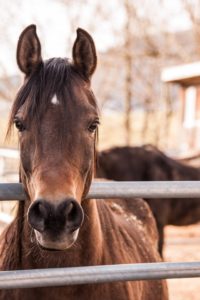



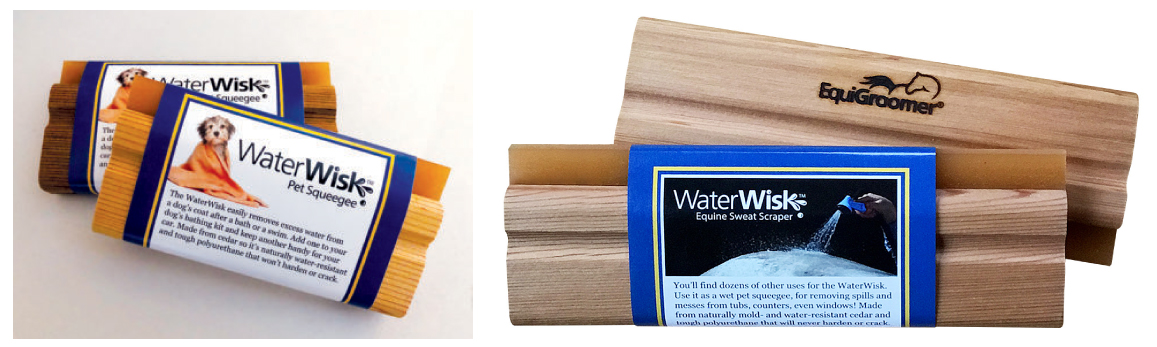
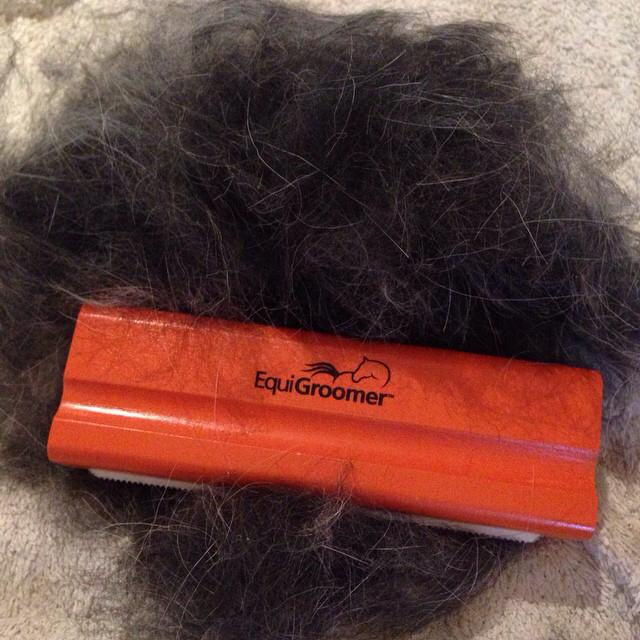
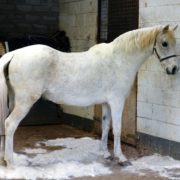
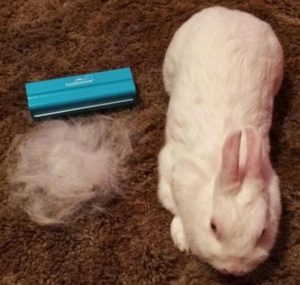 hairballs for cats (as well as rabbits and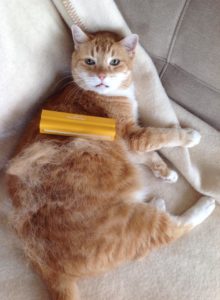
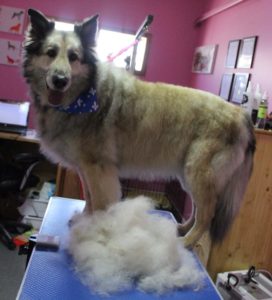 Pomeranian, Corgi, Puli, Leonberger, Golden Retriever and Shiba Inu
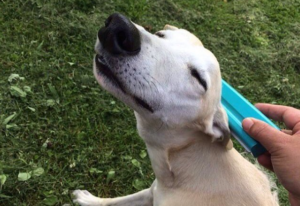 Regular brushing is essential to your pet’s overall hygiene, health, comfort and happiness.