

Summer brings warmth, long rides, and biting flies. Of all the insects that make summer difficult for horse owners, the horse fly is among the most persistent and potentially harmful. This guide covers what horse flies are, how they behave, the risks they pose to horses, and the most effective ways to protect against them.
What Is a Horse Fly?

Close-Up of a Biting Horse Fly
Horse flies are large, persistent biters most active on hot, windless days.
According to PestWorld, horse flies are large, stout-bodied insects capable of flying more than 30 miles and often found near bodies of water, wooded paths, and areas where mammals graze. They are most active on hot, windless days in full daylight and inactive at night.
Only female horse flies bite. Males feed on pollen and nectar. Females require a blood meal to reproduce and use scissor-like mouthparts to cut and tear skin before lapping up the blood, which is why horse fly bites are significantly more painful than mosquito bites. They actively target moving, dark objects and will chase and pursue a host repeatedly until they succeed or are killed.
Horse flies are known by several other names depending on region:
The Health Risk Horse Flies Pose to Horses

Horse Head Covered with Flies in the Pasture
Fly pressure during summer months creates real health risks for horses.
Horse flies do not transmit disease to humans, but they pose a specific and serious risk to horses. Because females interrupt their blood meals when a horse moves defensively, they frequently move on to a second horse before finishing feeding, mechanically transferring blood between animals in the process.
This is the primary natural transmission route for Equine Infectious Anemia (EIA), a viral disease caused by the EIA virus. Per USDA APHIS, there is no vaccine and no treatment for EIA. Horses that survive infection become lifelong carriers and must be permanently isolated or euthanized to prevent transmission to other horses. Fly control is one of the key prevention measures USDA recommends for all horse owners.
Protecting Your Horse from Horse Flies

Horse Wearing Fly Mask for Fly Protection
Fly masks and ear nets provide a physical barrier against biting insects.
A combination of physical protection and environmental management offers the best results. For direct horse protection:
For a simple DIY trap: cut the top third from a plastic bottle, drill a small hole in the cap, place rotten meat and water in the bottom section, invert the top section into the bottom, and seal the edges with tape. The smell draws flies in through the cap hole but they cannot escape.
Other Biting Flies to Know
Beyond horse flies, horses contend with several other biting insects during summer months:
Each fly type has similar preferences for warm, humid environments near water and manure sources, making sanitation the common thread in preventing all of them.
Fly Prevention: Barn and Pasture Best Practices

Removing Damp Straw and Manure for Fly Prevention
Removing damp manure and bedding cuts off the breeding sites flies depend on.
A single fly can produce close to 1,000 offspring in under a month, which means prevention is always more effective than reactive control. These six practices form the foundation of a solid fly management program:
Natural Fly Repellent Options
For horse owners who prefer to avoid chemical sprays, several natural options are effective:
Grooming After Fly Season
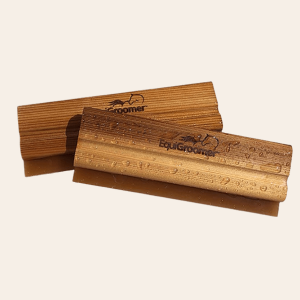
WaterWisk Horse Sweat Scraper by EquiGroomer
After fly season, regular bathing and grooming helps keep a horse's coat healthy.
Regular grooming during summer months does more than keep a horse’s coat in good condition. It also provides the opportunity to check for fly bites, skin irritation, and signs of infection before they become larger problems.
After washing down a horse, the 7-inch WaterWisk removes excess water and sweat from every part of the body, including bony areas like hips, hocks, and legs where standard plastic scrapers are difficult to use. Keeping a horse clean and dry reduces the moisture that attracts flies.