How well do you know horse coat colors? There are a variety of coat colors which all stem from just red and black pigments!

When it comes to horse coat colors, most people recognize black, brown and white horses. But there are a wide variety of colors a horse can show off! Horses also can be recognized as a color breed that is primarily based on their coat color regardless of their breed or genetic pedigree.

Horses have various Coat Colors

Want to test your knowledge first? Click here to access a quiz for horse coat colors!


Many Coat Colors from Just 2 Pigments!

Interestingly, despite the wide variety in equine coat colors, horse hairs only contain two basic pigment colors, red (a reddish-brown color) and black! Every horse has a (dominant) gene for either of these colors which ultimately influences the horse’s specific coat color through gene modification or dilution.
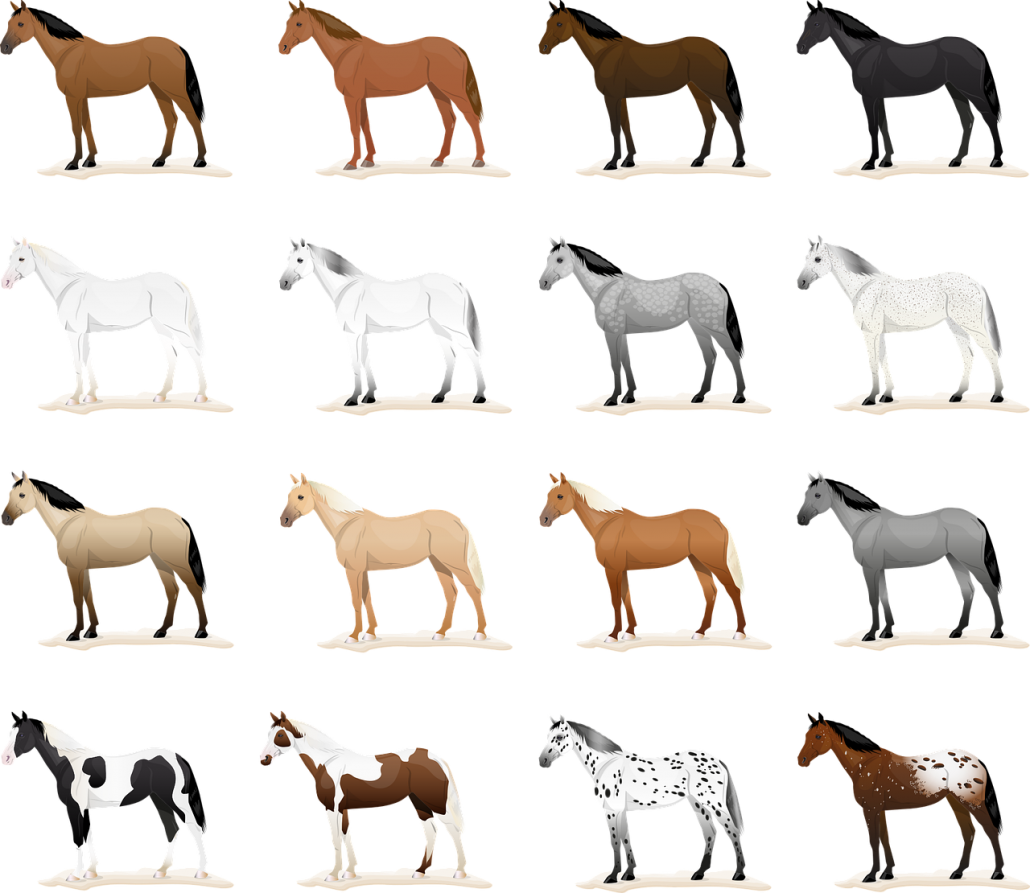
Common Horse Coat Colors
Dandelion Team from Pixabay


The 9 Most Common Coat Colors

According to the iHeartHorses website, below are the commonly recognized horse coat colors. (Depending on who you speak to, there may be more or fewer “common” horse coat colors!)

CHESTNUT OR SORREL
Features brown that ranges from pale (light, flaxen or blonde) to reddish to deep dark brown (liver chestnut) with no black horse hairs.  The mane and tail must be the same color as their coat color.

Sorrel horses are lighter than the Chestnut.

BAY

Brown with black mane, tail and “points” (including the mane, tail, muzzle, tips and rims around their ears and lower legs).

BLACK

May be true black (with no red hues to the coat color) or fade to reddish-brown in the summer. The mane and tail are black and there are no white areas of hair.

PALOMINO
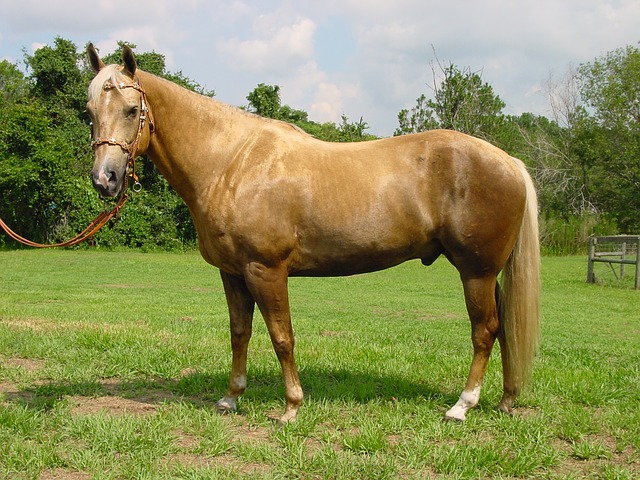
Palomino is a unique cream-color on horses
MrKlean from Pixabay

A cream-colored coat with a white mane and tail. While the color comes from the red gene color, palominos possess a genetic dilution mutation resulting in the cream coat color.

BUCKSKIN

The golden coat is produced much like the palomino, but with the base color of bay (instead of red). Buckskin horses also sport black points.

DUN

This equine coat color is unique and not commonly seen. The genetic mutation provides a black dorsal stripe (the back or upper side) and sometimes even black zebra stripes down the legs.

GRAY

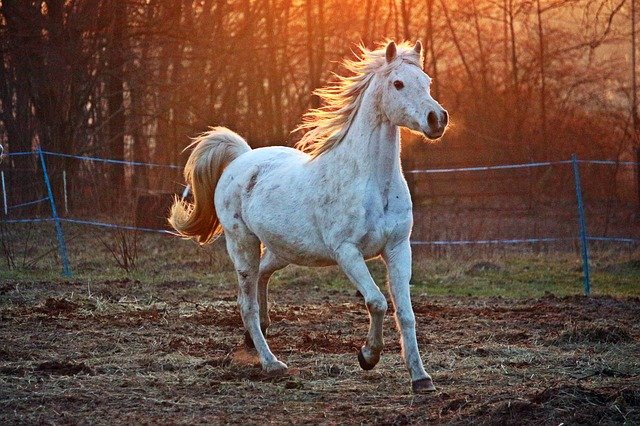
These horses are usually born another base color and over time, lose their hair’s pigment resulting in a light gray or even white coat from the grey gene modifier.

ROAN
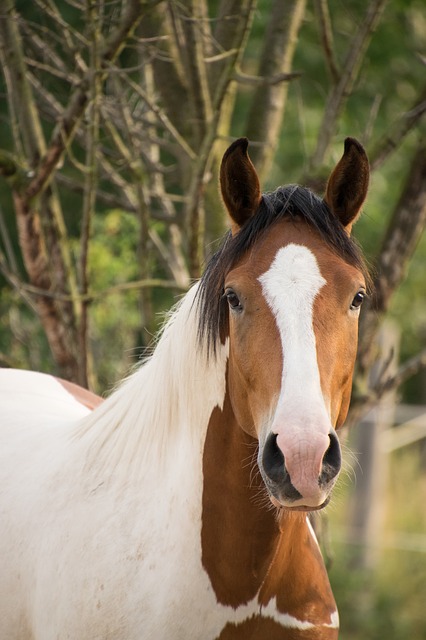
Rebecca Scholz/Pixabay

This horse coat color from the base black color with white hairs scattered throughout the coat. There are 3 typical roan colorings: strawberry or red, bay and blue.

PINTO

Typically multi-colored, typically brown and white or black and white. The pinto color only describes the markings of a base color with scattered white patches.

These common colors can be found in almost any breed. The first four coat colors can be found in all breeds that are not color-based.


The Rarest Equine Coat Color

A white horse has the rarest coat color with white hair and primarily pink (or unpigmented) skin. White horses are typically born white with blue or brown eyes. However, the majority of so-called “white horses” are actually grays with a fully white coat of hair.
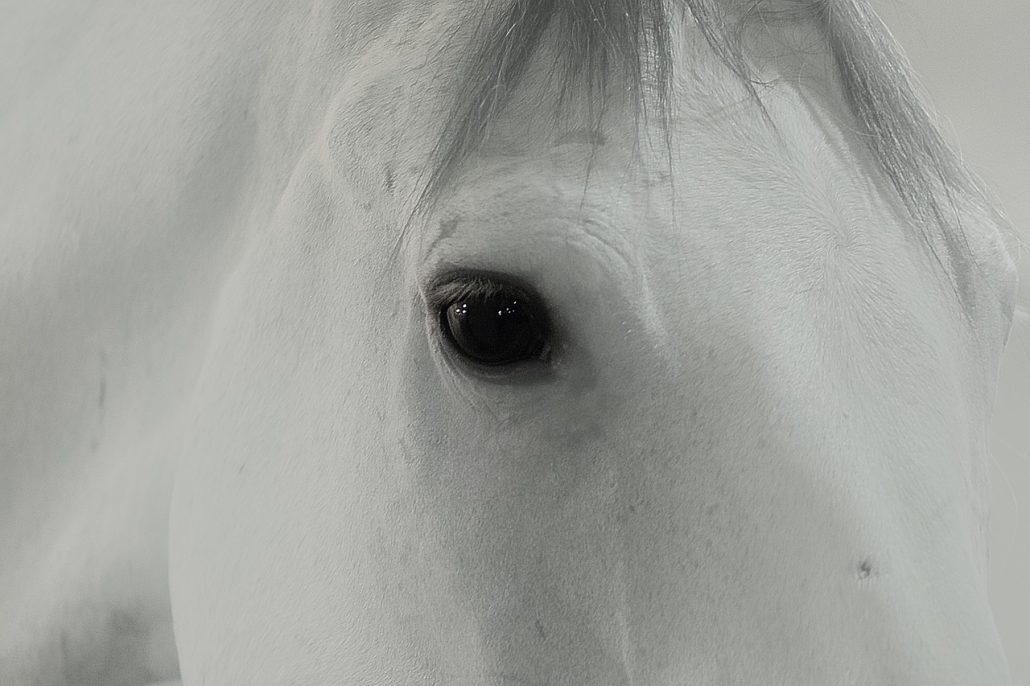
The white horse coat color is the rarest color.
Omer Yousief from Pixabay

Want to Know More? Click here for the Practical Hoseman’s Guide to Equine Color Genetics & Coat Color!

EquiGroomer.com

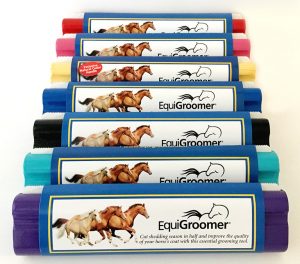
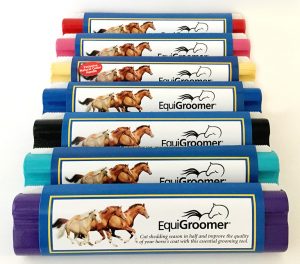
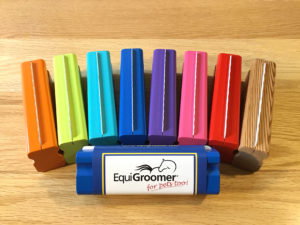
Regardless of your horse’s coat color, frequent brushing with the right tools will not only keep your horse comfortable but also support his coat’s beat health and color! The EquiGroomer tools offer easy and pain-free brushing with NO pulling or damage to your pet’s topcoat or skin.

For individual or bulk orders, call 860-573-0604 or click here to send us an email.
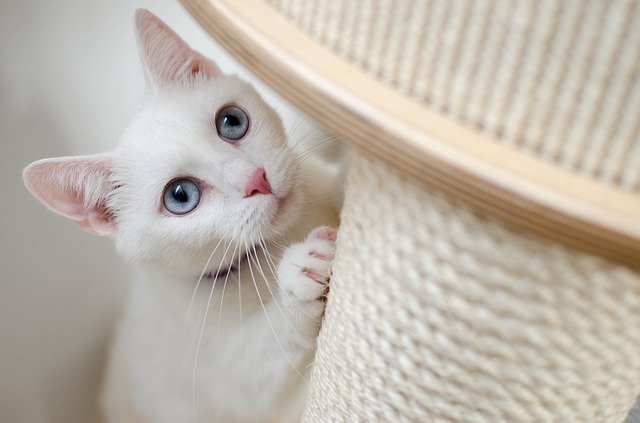

June has officially gone to the felines with so many holidays honoring their presence! Warning: With all the kitty love this month, you may end up adopting a cat!


June Cat Holidays

We start with the month-long American Humane Association’s “Adopt-a-Cat Monthand the ASPCA’s “Adopt-a-Shelter-Cat Month!” But wait, there’s more!

Starting to feel the love and want to add a new feline friend to your home? Keep reading to learn what you need to know first before adopting a cat!

The 7 Basics When Adopting a Cat

Life Expectancy

Cats typically live between 12 and 18 years but can live to 20 or more years! Are you ready for that long-term commitment and expenditures?

Kitty Scratching

Adopting a Cat means lots of scratching

It is completely normal and healthy for cats to scratch so give your feline plenty of places to safely scratch!

Scratching is a way for a cat to “mark” his territory with visual and scent signs.

Scratching also helps shed claw sheaths and keep their nails in good shape.

Litterbox Pickiness

  • Cats can be picky when it comes to their litterbox and may stop using their litterbox because:
    • There are too many cats for one litterbox.
    • The litter is not cleaned often enough.
    • There is too much litter. Most cats will not use litter that’s more than 2 inches deep.
    • The type and scent of litter
    • Switching litters too often. Find a litter your cat likes and stick with it.
    • The litterbox is hard to reach or close to frightening noises or heat.
    • Behavioral issues including:
      • Stress, boredom, anxiety and aggression
      • A new home/furniture
      • New family/pets in the home
      • An intact male/female cat in the home marking their territory in or outside your home

Feline Nutrition

Adopting a Cat means providing the best feline nutrition

Grooming Your Cat

Regular grooming is essential to your cat’s overall health, well-being and comfort. It’s also a great way to strengthen your bond with your feline. Learn more at How to Groom a Cat with step-by-step instructions and pictures. (Also be sure to check out our cat grooming tools!)


Create a cat-friendly and safe environment by removing all potentially toxic plants from your home!


Did you know that some feline breeds need more attention?

These breeds include:
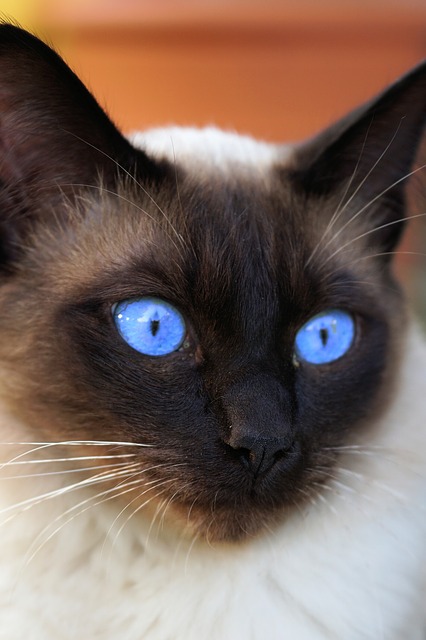
1. Siamese, and
2. Long-haired cats including the Persian, Himalayan, Maine Coon and more.

Despite their independent nature, cats still need quality interaction and enrichment activities for their best mental and physical health. Cats who are bored or stressed can become destructive. Anxious cats may also spray urine in and around the house. Use a pet sitter to give your cat some extra attention and activity. 

Cats typically take more time to settle into their new home. Give them plenty of space and patience. Hint: try bonding with your new cat by smiling like a cat!

Adopting a cat (or any other pet) is a wonderful feeling and new adventure! By thinking it through and learning more about the feline breed you want to adopt will help ensure a successful transition for both you and the new kitty!


The Grooming Tool Your New Kitty Will Love!

Grooming your cat is an easy way to enhance the bond and trust between you and your feline friend.

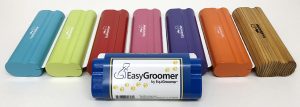
The 5-inch EasyGroomer painlessly and easily removes your cat’s dead hair, dust and coat dander while supporting their overall well-being, health and comfort.

For individual or bulk orders, call 860-573-0604 or click here to send us an email.
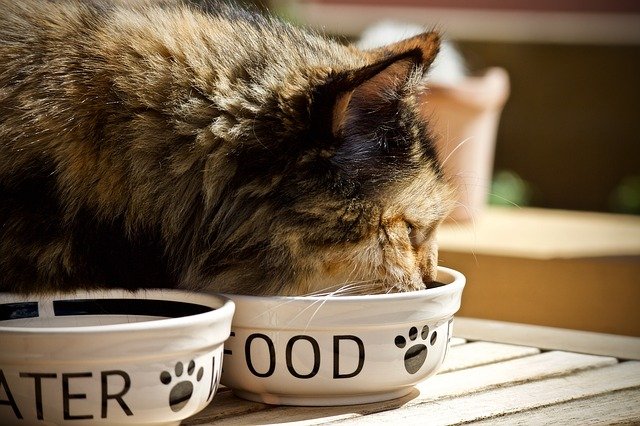

Image Credits

Pikabum from Pixabay 

Daga_Roszkowska from Pixabay

Luisella Planeta Leoni from Pixabay

Spencer Wing from Pixabay

Andreas Lischka from Pixabay

Courtesy of EquiGroomer.com

While the old saying, “you are what you eat,” was talking about humans, the premise is just as important for the animals in our lives, including horses! Keep reading to learn how the quality of hay directly affects your equine.


In our April 28th blog post, we mentioned how feeding older hay (or even store-bought hay) may leave your horse lacking valuable nutrients including Vitamins A and E, biotin, silicon, zinc and copper requiring dietary supplements.

Since the quality of hay directly affects your horse’s health, overall well-eing and performance, it’s critical for horse owners to clearly understand the quality and benefits of different hays before choosing what to feed their horse since it makes up the majority of an equine’s diet.  

Hay is Hay, Right?

Sorry, it’s not that simple; it’s all about meeting your individual horse’s specific needs. These needs include:

  • Energy needs based on activity levels
  • Breed
  • Body type and weight
  • Age
  • Metabolism

So it’s critical to know the differences between grass and legume hay when it comes to your horse’s specific needs as well as the availability of hays in your area.  


Choices of Quality of Hay

Most horse hays are generally categorized into grass or legume.

Common grass hays include:

  • Bluegrass
  • Orchardgrass
  • Timothy

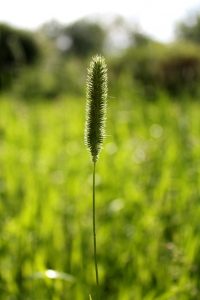
In addition to horses, timothy grass/hay

is a popular source of food for rabbits,

guinea pigs, chinchillas, deer, and even

livestock. It can grow to 3-1/2 feet tall!

Not only is Timothy hay good for digestion

it also supports good dental health!


Qualities:

  • Lower in protein and energy; higher in fiber.
  • Helps buffer stomach acid, adds roughage without excess calories or protein.
  • Less nutrient-dense and filling so horses often eat more.
  • May not be nutritious enough for hard-working horses, a growing foal or a pregnant or lactating mare.
  • Best for horses who engage in light work or are retired.

Common legume hays include:

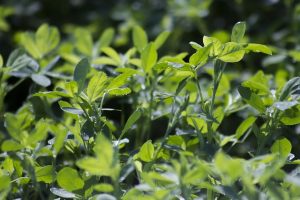
  • Alfalfa (most popular)
  • White clover
  • Red clover
  • Birdsfoot trefoil

Qualities:

  • Higher in protein, minerals and calcium.
  • Provides more energy.
  • May be too rich in nutrients for lightly worked or retired horses and lead to weight gain.
  • May need to add a high-phosphorous mineral supplement to balance the calcium-to-phosphorous ratio.


Quality Hay: The Must-Haves

Regardless of which hay you feed, make sure it is high-quality and:

  • Sweet-smelling and have a fresh-cut odor
  • Bright green (or golden) with little fading
  • Soft and flexible in your hand
  • Free of all mold
  • Free of weeds
  • Free of foreign materials
  • Free of excess dust/dirt


Quality Hay: What to Avoid

It is also important for hay to be properly baled to maintain its best quality. Keep the following tips in mind when selecting hay.

  1. Avoid hay with more than 15% moisture. Baling wet hay results in mold and toxin growth and lower quality. Avoid moldy or musty-smelling hay.

Learn why you should NEVER feed your horse moldy hay according to the University of Minnesota!

  • Avoid older, stemmy hay. Young, immature hay plants contain more nutrients. More flat leaves and fewer stems offer the best digestibility and nutrient content.
  • Avoid seed heads or blooms.
  • Avoid bleached, yellow, brown or black-colored hay.


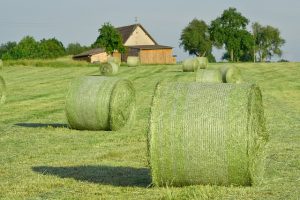
With hay responsible for the largest percentage of your horse’s daily feed, supplying high-quality hay will support your horse’s best health. Remember, harvesting, wrapping, storage, moisture levels and the overall age of the hay are all critical factors for the highest quality hay!

Unsure which hay to choose?

Work with your regular vet for your horse’s best health, energy, comfort and longevity!


THE Grooming Tool Your Horse will LOVE!

Do you clip your horse? Another great use for the EquiGroomer comes after they’ve been clipped. Imagine all those tiny fragments of loose hair on your back and then covered with a blanket. Talk about being itchy! The EquiGroomer will bring those loose ends to the surface so they can be brushed off. 

For individual or bulk orders, call 860-573-0604 or click here to send us an email


Image Credits

Rihaij from Pixabay

Rihaij from Pixabay

AnnaAr from Pixabay

Imklatte from Pixabay

Michael Schwarzenberger from Pixabay 

Christel SAGNIEZ from Pixabay 

Felines have been described with wonderful attributes like smart, intuitive and graceful; but they are also known to be stand-offish, asocial and (dare we say?) even rude when the mood strikes!
Chalk it all up to “cat-titude!”

Even the most ardent cat lover can, at times, be met with a seemingly indifferent feline. Or is it more of a misunderstanding on our part of a cat’s subtle, sophisticated body language? Well, thankfully, scientists have uncovered a secret to get your cat to like you … smile at your cat!

Keep reading to learn more!

The Cat “Smile”

With our canine friends, it is easy to decode their moods, it is written all over them! But cats are a bit more subtle by signaling their moods through twitching tails, ruffled fur, the position of their ears and whiskers and even through the narrowing of their eyes.

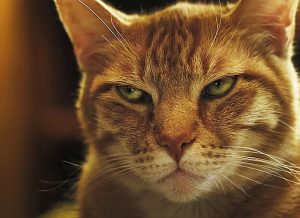
Cat Smiling with Narrowed EyesThis specific eye language or movement has been called a “cat smile” by experts and researchers who believe it can help strengthen your bond with your favorite feline.

While eye narrowing by felines is nothing new (Jackson Galaxy has often used it on his “My Cat from Hell” series), recent studies now offer tangible evidence it might be a form of “positive emotional communication between cats and humans.”

A study done at the University of Sussex in England found that “cats are more likely to slow blink at their owners after their owners slow blinked at them, compared to no interactions between the two.


“This study is the first to experimentally investigate the role of slow blinking in cat-human communication. And it is something you can try yourself with your own cat at home, or with cats you meet in the street. It’s a great way of enhancing the bond you have with cats.” 

(Professor Karen McComb, University of Sussex Study Supervisor)


How to Smile at Your Cat

First, put yourself in front of your cat at a comfortable distance. Narrow (orMan and Cat Nose to Nose squint) your eyes like you would if you had a happy and relaxed smile on your face. Then slowly blink at your cat by closing your eyes for a couple of seconds and then opening. If your cat responds in kind, you are “talking” with your cat!

This “slow blink” appears to make humans more attractive to the cat motivating them to respond in kind and to also approach the human. Research has found the role of slow blinking (or the cat smile) in cat-human communication also enhances your bond and trust with your feline.

A word of caution, do not try to force your cat to communicate back or engage in intense staring at your cat which can be interpreted as threatening in social interaction! Be patient and hopefully your cat will willingly engage in smiling communication!


WANT TO LEARN MORE ABOUT YOUR CAT?

“Why Do We Think Cats are Unfriendly?”

 How to Earn Your Cat’s Trust and Affection”

 “Why are Cats So Incredibly Rude?”


Cat Giftbag with Grooming Tools and Toys


THE Giftbag Your Cat Will Purr Over!

Grooming your cat is another easy way to enhance the bond and trust between you and your feline friend.

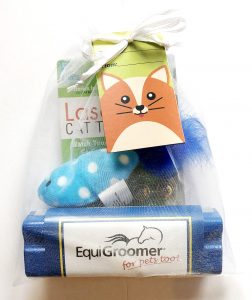
The EquiGroomer’s Gift Bag for Cats includes a 5” grooming tool for painlessly and easily removing dead hair, dust and coat dander. Also included is a laser pointer and cat toy for hours of feline fun! The purr-fect gift to show your cat some extra love!

For individual or bulk orders, call 860-573-0604 or click here to send us an email.
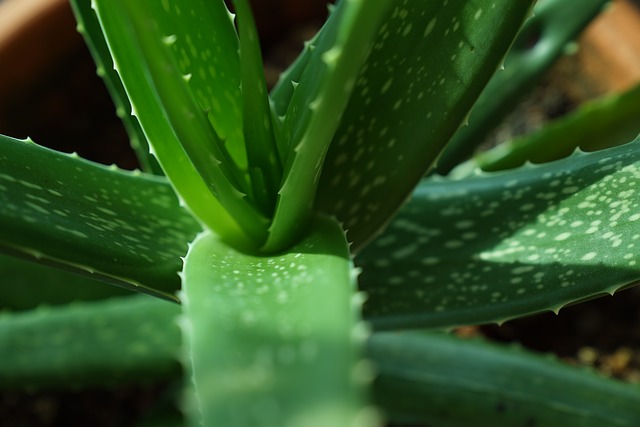


Image Credits

Manfred Richter from Pixabay

Jennifer Moore from Pixabay

Yuliya Kota from Pexels

It’s the annual winter horse coat blow-out! Barns everywhere are overwhelmed with old winter coat hair. While wild horses naturally lose their winter coats, our domesticated equines need our attention to enhance their overall coat condition for the warmer weather.

See how much you know when it comes to your horse’s coat condition below!

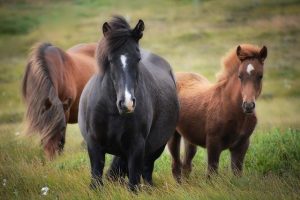
Horse Winter Coats 101Wild Horses in the Pasture

Our animals depend upon their guardians for their overall health, well-being, comfort and happiness. Test your knowledge below when it comes to horse winter coats 101.

What triggers a horse’s winter coat to shed?

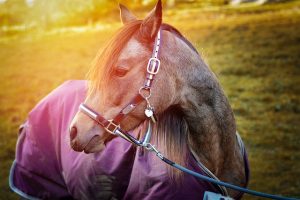
Horse Outside Wearing a BlanketIf you think it’s the warmer spring temperatures, think again! It is actually the amount of daylight that causes a winter coat to shed (longer daylight hours equals shedding). The same before winter, shorter daylight hours cause a natural reaction in growing a warmer winter coat in preparation for winter. According to The Horse, increased body temperature (from blanketing) does not help a horse shed faster.

Can fat supplements help your horse’s coat after winter?

Absolutely! Especially after a cold, dry winter. According to The Horse Journals, “fat supplements such as vegetable oil or stabilized rice bran is much more energy dense than cereal grains … and will also help improve skin and coat conditions.” Fat supplementation also helps reduce dandruff and flakiness.

Some horse owners swear by feeding flax or black oil sunflower seeds because of the oils they contain. However, this is no scientific evidence behind these claims.

Why is my horse shedding their winter coat so slowly?

There are a few reasons why your horse may be shedding slower than its barn mates.

  1. Not enough rigorous grooming.
  2. Not enough exercise.
  3. Too much time in the barn and less light.
  4. Additional nutrition is needed.
  5. Potential Cushing’s (or PPID). (Work with your vet to get bloodwork done.)

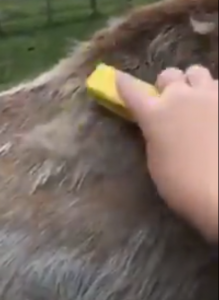
Woman Brushing Out Horse's Winter Coat

Click here to see how the EquiGroomer tools

make easy work of removing

your horse’s winter coat!


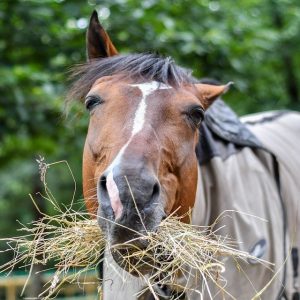
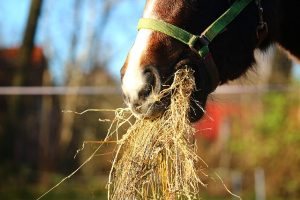
Never clip a horse’s winter coat! This one is not true. According to Pro Equine GroomsHorse Eating a Mouthful of Hay, you should clip a horse that’s uncomfortable with its winter coat when the temperatures warm up.

Feeding older hay? Your horse may need this nutrient!

Other vitamins and minerals can help improve your horse’s coat condition including Vitamin E, biotin, silicon, zinc and copper explains VetLineEquine.com. These nutrients can often be missing from older or store-bought hay.


Did You Know?

Shedding by our smaller companion animals – cats and dogs – creates another health issue … hairballs!

Yes, your dog can get hairballs too! Help both your feline and canine avoid hairballs with daily grooming along with increased fiber and water intake!


Your horse’s coat condition says nothing about his overall health.

This is a falsehood. Yes, it is not the sole indicator of your equine’s health, but it is an important marker of health!  HorseIllustrated.com offers some potential reasons (like nutrition, stress, endocrine issues and even worms for a lackluster coat condition along with suggested remedies.


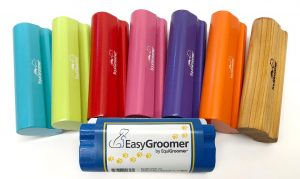
The EquiGroomer Grooming ProductsDuring the COVID slowdown, we made some significant changes to our grooming product line based on comments and recommendations from customers like you!

Changes included:

  • The shape of the handle making it more comfortable to hold.
  • A new name, EasyGroomer for our 5″ version; and
  • Better packaging to reflect the customers who purchase this smaller size.

Our EquiGroomer tools make grooming your pets easier, stress-free AND pain-free!

To order individual EquiGroomer tools or professional kits for your pet shop, tack shop or barn, call 860-573-0604, send us an email or visit our website today!


Image Credits (In Order of Appearance):

InspiredImages from Pixabay 

Rebekka D from Pixabay 

Pezibear from Pixabay 

Courtesy of YouTube Video

Rihaij from Pixabay 

Product Image Courtesy of EquiGroomer

While the world still struggles to deal with COVID-19, there is also confusion and concern about our companion animals and coronavirus; including our equine friends.

Can horses catch coronavirus? The short answer is yes … and no! DO NOT PANIC, take a deep breath and keep reading for some good news!


Can Horses Catch Coronavirus? Yes.

There’s NO need to panic even though horses can become infected with a form of coronavirus and that is the critical distinction!

Coronavirus or COVID-19BUT … equine coronavirus (also known as Equine Enteric Coronavirus and ECoV) is “host-specific” and there is no evidence that it can be spread outside the species (or to humans).

Again, the COVID-19 virus the world is fighting is NOT the same strain of coronavirus that can infect horses; they are two distinctly different diseases according to the Palm Beach Equine Clinic and the CDC (Center for Disease Control and Prevention). 

Can My Horse Infect Me with Coronavirus?

Happily, this answer is a simple and emphatic NO! And vice versa, your horse cannot get human coronavirus!

A Horse and Woman's Face Next to Each Other
What Is Equine Coronavirus?

Equine coronavirus is a gastrointestinal – enteric – disease in horses (unlike the human coronavirus that causes respiratory issues and worse). ECoV is transmitted when an infected horse’s manure is ingested by another horse (fecal-oral transmission) or when a horse makes oral contact with items or surfaces contaminated with infected manure.


GOOD NEWS!

Equine Coronavirus in horses and foals is more flu-like. Even better, the frequency of ECoV is low – even rare – since 2010. This has also been validated by Dr. Nicola Pusterla, an equine infectious disease expert.


Common symptoms of ECoV infection are typically mild and include:

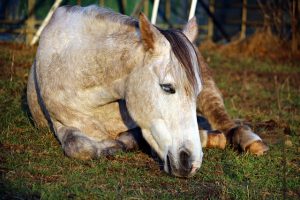
  • Anorexia, lack of appetite Horse Laying Down in a Pasture
  • Lethargy
  • Flu-like symptoms
  • Laying down frequently
  • Elevated rectal temperature
  • Fever
  • Colic or diarrhea (only in 15-20% of infected horses)

Diagnosis is done with a simple fecal test.


Listen to the Podcast: Dr. Nicola Pusterla on Equine Coronavirus


Now that you know the facts about coronavirus and your horse, you can rest easy!

For suggestions on learning mindfulness from your pet to counter coronavirus, click here!


Image Credits

Wolfgang Claussen from Pixabay 

MasterTux from Pixabay 

Emma Morin from Pixabay 

Rihaij from Pixabay 

It’s a commonly debated question, should horses be blanketed in winter? Below is a look at both sides of this “heated” debate.


Blankets, Yay or Nay?  

Winter presents a whole new set of challenges for horse owners depending on where they live. From plunging temperatures, snow, rain, sleet and mud, should you blanket your horse during the winter season? While some equines may need extra protection against the harsh elements, other horses may overheat wearing a blanket.

So what’s a person to do?

Things to Consider First

While there’s no definitive or automatic answer about whether you should blanket your horse during the colder months, there are some general guidelines that can help. Each horse is different, but the tips below can help you decide what to do for each individual horse.

Is your horse:

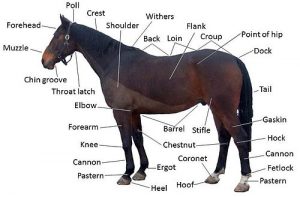
  • Shivering either in the barn or outside? When your horse is shivering, it’s the body’s attempt to produce more heat. To determine if yourAn Equine's Anatomy horse is cold, place your hand up inside the elbow or stifle to check for warmth.
  • Very young or very old? Typically, healthy adult horses can effectively regulate their body temperatures. But for senior horses and foals, they need extra help in staying warm, even if it’s not wet or windy outside.
  • Sick, injured or very thin? Blanketing these horses can help them conserve their energy and stay warm when temperatures drop below 50 degrees F. Without an adequate fat layer beneath the skin, thin horses (with a body condition score of 3 or less) require extra help with warmth.
  • From a warmer climate? Typically, it will take a horse a few seasons to adjust to his new environment and begin to grow a full winter coat.
  • A show horse? Since show horses are clipped to make them look sleek and shiny, they will need help in staying warm with blankets to compensate for the lack of a natural winter coat. A turnout blanket will protect against the winter cold and also against sunburn in the summer.
  • Not able to access shelter in the wind or rain? They may need a winter blanket to help keep them warm in harsh conditions, but it can be removed when the weather improves.
  • Sweating? The first signs of sweat will be under the blanket and may spread along their neck and behind their ears. If your horse is sweating, he’s overheating and it’s time to remove the blanket or use a lighter one.


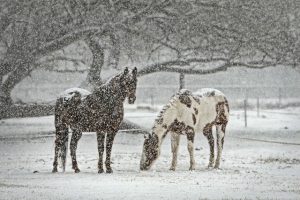
Horses without Blankets During Winter in a PastureSleet, Rain, Snow or Wind, Oh MY!

While your horse’s winter coat can usually protect them from freezing temperatures (down to 0 degrees F with no wind or rain), it’s a completely different story when the weather becomes windy or wet. Under these conditions, the horse’s long hair loses its natural insulating properties and your horse will quickly become cold because their body heat is no longer trapped against their body.

“Horses with very short hair may be the only horses that need to be

blanketed during winter weather. In fact, a blanket may not be the best thing for horses kept outside in winter, especially when it’s wet.

“The blanket actually pushes the hair down, compressing the air spaces and the hair isn’t able to insulate the way it’s intended.”

(Mark Russell, Assistant Professor, Equine Extension, University of Arkansas, Division of Agriculture) 


A Few More Tips

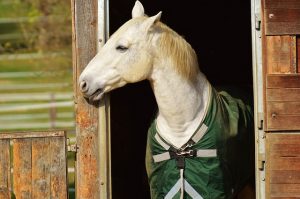
  • Make sure the blanket is well-fitted without slipping that can cause your horse to spook and potentially injure himself.Blanketed Horse Looking out Barn Door
  • If you regularly blanket your horse in the winter, his natural winter hair growth will decrease.
  • Provide plenty of forage (fiber-rich feds like quality hay and/or beet pulp) to help your horse produce his own heat naturally.
  • Horse blankets come in a range of varying weights depending on what fits your horse’s needs the best. Make sure all blankets are breathable and waterproof.  (Learn more here: 6 Factors to Consider when Choosing a Horse Blanket.)

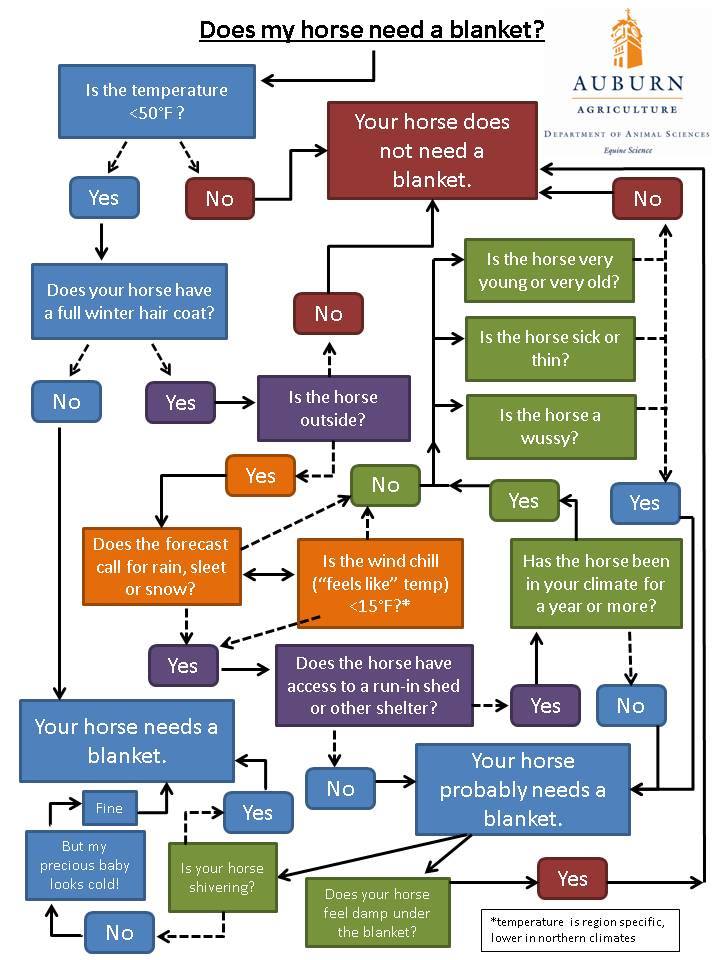
And finally, below is an informative and even humorous look (is the horse a wussy?) at whether your horse needs a blanket from the Department of Animal Sciences at Auburn University.


Graphic on Whether Your Horse Needs a Blanket in Winter


Horse Outside with Snowflakes


When in Doubt

If you’re not sure whether you should be blanketing your horse in the wintertime, reach out to your local vet and ask for advice based on their experience, your local climate and your horse’s overall health and condition. Your horse is depending on you to provide what he needs no matter the season!

Equine Grooming Is Critical for Blanketed Horses!Display of EquiGroomer Grooming Tools

When horses are blanketed, it can be hard to detect grooming or skin issues including rub marks or sores. That’s why it’s so important to maintain a regular grooming routine even in the winter.

The 3-Piece Grooming Set makes grooming your horse easier, faster and more comfortable!

For individual or bulk orders, call 860-573-0604 or click here to send us an email.

Additional Reading:

Does Your Horse Really Need a Blanket?

Monday Myth: Horses Need Blankets in Winter

What to Consider When Blanketing Your Horse

When to Blanket a Horse

Should You Blanket Your Horse this Winter?


Image Credits:

Chanita Sykes from Pexels 

Courtesy of Wikipedia

Bhakti Iyata from Pixabay 

Alexas_Fotos from Pixabay 

Pexels from Pixabay

Product Image: Courtesy of EquiGroomer

Pets can often feel “feverish” to a worried owner simply because an animal’s normal temperature range is above our own (typically between 97.5 to 99.6 degrees F). 

Our pets and animals can become too hot (or even too cold) for a variety of reasons. If you are concerned your pet has a fever or is overly chilled, taking their temperature can help put your mind at ease or encourage you to contact your regular veterinarian. But how do you know if your pet’s temperature is normal? 

High vs Low Temperatures: Which is Worse

While a pet with a high temperature is typically more worrisome to most owners, a low temperature may also be a cause for alarm. If you are unsure about your pet’s unusual temperature, consult your veterinarian to avoid any long-term issues or complications for your pet.

The medical terms below are used to indicate temperatures outside the normal range:

Hyperthermia (a high temperature outside the normal range) may indicate:

  • Fever due to infection or inflammation as part of the immune system’s defense.
  • Overexertion.
  • Stress; or
  • Overheating from exposure to excess heat and/or humidity (absorbing more heat than the body can naturally dissipate or release).

Hypothermia (a low temperature outside the normal range) may indicate:

  • Extended exposure to cold and/or wet.
  • Shock.
  • Pending labor in females.
  • The body is losing heat faster than it is absorbing.

Healthy Pets: Normal Temperature Ranges

Pet temperatures fall into ranges

Dogs: 101 – 102.5 degrees Fahrenheit (or 37.9 – 39.9 degrees Celsius)

Cats: 100 to 102.5 degrees Fahrenheit (or 39.1 – 39.2 degrees Celsius)

Rabbits: 101.5-104.2 degrees Fahrenheit (or 38.6 – 40.1 degrees Celsius)

Horses: 99 – 101.3 degrees Fahrenheit (or 37.2 – 38.3 degrees Celsius)

Livestock: Click here to find the normal temperature range for other animals in the Merck Veterinary Manual.

Sustained temperatures outside the pet’s normal range can lead to issues like heat exhaustion, heatstroke, and even internal damage if not addressed properly and reduced to the normal range. Always know your pet’s normal resting temperature (temperature setpoint) to know if they are having issues.

Taking Your Pet/Animal’s Temperature

Old-fashioned mercury thermometers are no longer considered safe for taking an animal’s temperature as they may snap especially with excited or nervous animals exposing the pet – and you – to potential mercury.

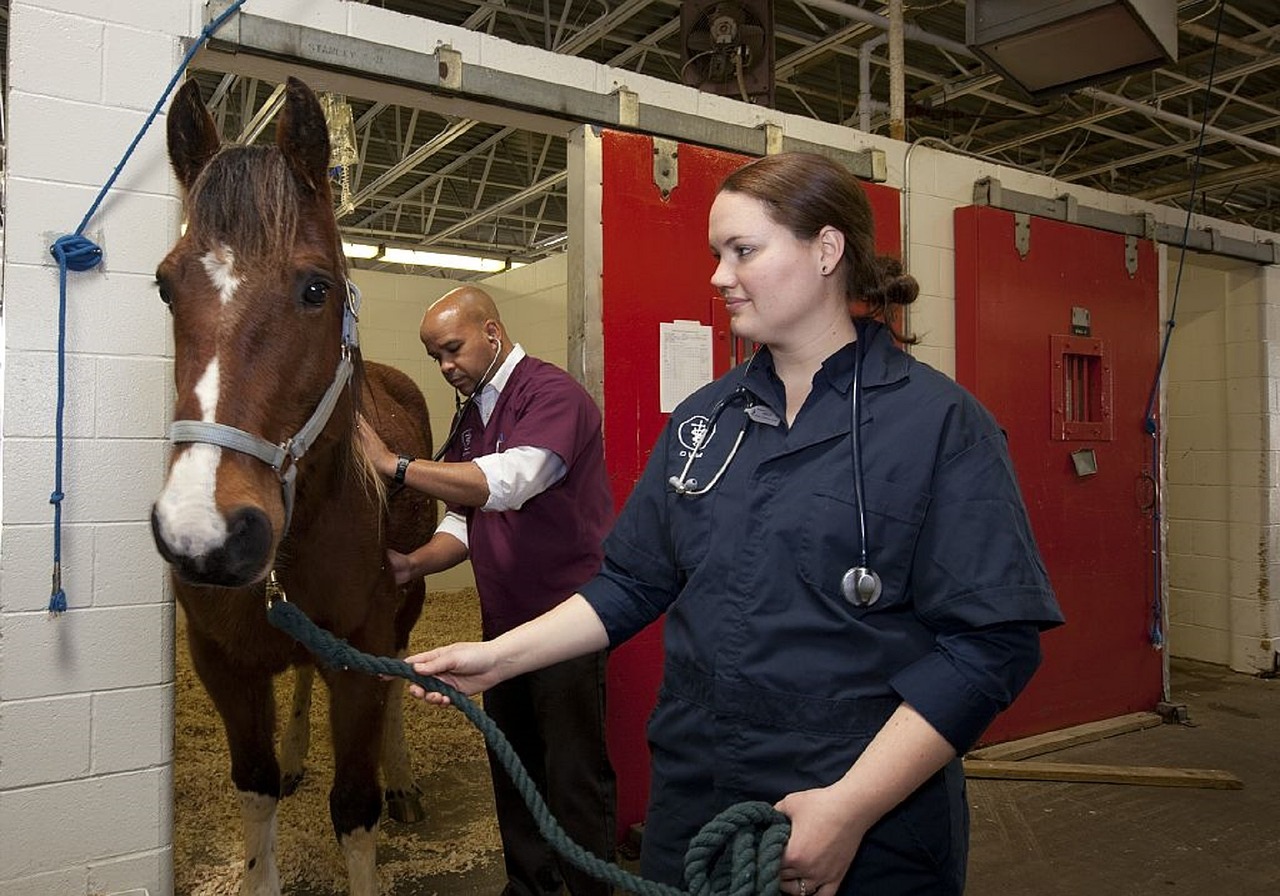
Digital thermometers show if your pet's temperature is normalDigital thermometers are considered safer and more commonly used today. Temperatures are typically taken via the ear or rectally – which is considered more accurate – in cats, dogs, horses and livestock (with a small amount of lubricant on the end of the thermometer). Be warned, depending on your pet or animal, taking their temperature may be a two-person job!
 

Abnormal Temperatures: When to be Concerned

Our pet’s temperatures can fluctuate during the day and it is not always a reason to be concerned. The temperature and humidity outside and your pet’s activity can all affect their temperature. Getting them to rest and drink should help bring their temperature back within the normal range.

Your vet can tell you if your pet's temperature is normal


The Bottom Line

Like humans, animals may run slightly elevated, short-term temperatures as their body fights off minor infections or fevers. This is normal.

Medications should only be used when necessary to avoid diminishing the effectiveness of your pet’s immune system. If a mild fever or slightly elevated (and unusual) temperature persists for more than a few days, contact your veterinarian for an examination and definitive diagnosis.


If your horse is overheated, spraying him with cool, fresh water can help safely reduce his temperature. Use our Water Wisk to remove all sweat and water too!

Order individual EquiGroomer tools or professional kits for your pet shop, tack shop or barn, by calling 860-573-0604,  sending us an email or visiting our website today!


Additional Reading:

Pets.WebMd.com: Fevers in Cats

Equus Magazine: What to do When Your Horse Has a Fever

AKC: Fever in Dogs: Causes, Signs and Treatments

Rabbit Care Tips: Why is My Rabbit Shaking and Laying Down?

PetComments.com: Best Pet Thermometers

Image Credits (In Order of Appearance):

Beverly Lussier from Pixabay 

Susanne Jutzeler, suju-foto from Pixabay

Gundula Vogel from Pixabay 

Skeeze from Pixabay

Product Image Courtesy of EquiGroomer

How often should you bathe your horse? Should you wash them when it is cold – or even hot – outside? Today’s post will explore the pros and cons when it comes to bathing your horse.

If you are a horse owner, you have probably had (many) conversations about proper bathing for your horse and with each question comes a variety of – even conflicting – answers. Is bathing good for their skin or does it dry it out? Should you use warm or cold water when bathing in the summer heat? When is regular bathing too much?

This post focuses on the information necessary to make the best decision for the equine in your life.

To Bathe or Not to Bathe?

If you have a horse that regularly shows or competes, you will likely bathe them more frequently, so they look their best in the show ring. If your horse does not compete, bathing requirements will be different.

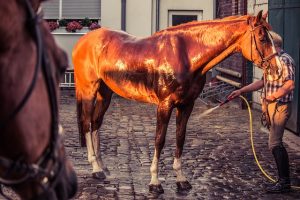
Horse Being Hosed Down with WaterOpinions on the frequency of bathing horses range from a few times a year to monthly, weekly, only when the horse is dirty and evennever!” Regardless, never place tack on a dirty horse for their overall well-being and comfort! Dirt, debris and even dried sweat under a saddle and girth will create potential chafing, itching, fungus and infections.
While there is no definitive rule about how often to bathe your horse, it IS critical to make sure the natural oils in your horse’s coat and skin are not stripped away with over-bathing. Bathing your horse too often will leave the coat dry and flaky and the unprotected skin prone to infections.

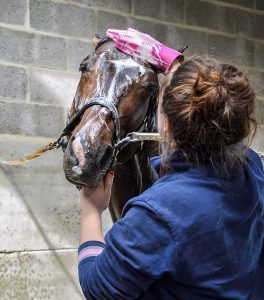
Grooming your horse regularly will help reduce the need for frequent bathing. Also, spot cleaning (especially in the presence of infections like rain scald/rot or scratches), shampoo-less rinses and even just clear, cleanWoman Washing Horse's Head water can be done more frequently with fewer negative side effects.
Horse Bathing:  Shampoos

If you decide to bathe your horse more frequently, use a gentler, hypoallergenic shampoo. (It is also better for a horse with sensitive skin.)

Note: Blue shampoos for making coats whiter are harsher.

Also, allow plenty of thorough rinsing to remove all shampoo residue from the coat and skin to avoid unnecessary irritation.

Horse Bathing: Drying

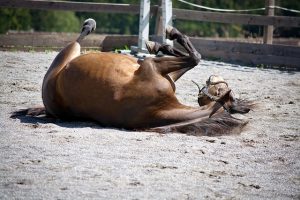
Horse Rolling in DirtWarm and sunny days are perfect for letting your horse dry naturally. Use a sweat scraper to remove/whisk away as much water as possible before thoroughly drying the entire body. (See EquiGroomer “WaterWisk” scraper/squeegee tool here.) Then cover with a clean sweat sheet in case your clean horse decides to enjoy an enthusiastic roll on the ground!
If you must bathe your horse during colder weather, make sure you have access to warm water and a well-protected area, so your horse remains warm. After drying your horse as much as possible, make sure to blanket them to ward off any chills.  Anytime a horse gets chilled from cold temperatures and drafts, their resistance to infections and respiratory diseases is greatly reduced.

The Bottom Line

At the end of the day, it is the horse owner who decides on what is best forWoman Petting Horse's Head their horse, health, overall well-being and ultimately comfort. Maintaining a horse’s optimal health – including bathing – is different for each equine.
Unsure about how often to bathe your horse? Talk to other experienced horse owners as well as your vet. Also closely monitor your horse after each bathing and then proactively adjust the frequency and products for the best outcome!


EquiGroomer's WaterWish and Pet SqueegeeOur EquiGroomer tools make bathing and grooming your horse easier, stress-free AND pain-free!

Order individual EquiGroomer tools or professional kits for your pet shop, tack shop or barn, by calling 860-573-0604, an email or visiting our website today!


Additional Reading:

Horse Illustrated: 5 Tips for Bathing Your Horse

EquiMed: Bathing Your Horse

Saddle Box: How Often Should You Bathe Your Horse?

Pro Equine Grooms: How Often Should You Bathe Your Horse?

Equus: How to Bathe a Horse Like a Pro

Image Credits (In Order of Appearance):

Christels from Pixabay 

A_Different_Perspective from Pixabay 

Christels from Pixabay 

Pezibear from Pixabay 

Dids from Pexels

Product Image Courtesy of EquiGroomer

As the summer months heat up, people become more conscious about staying cool and fully hydrated. But did you know your pet is at an even greater risk of dehydration? Learn how to keep pets well-hydrated during the summer months below!

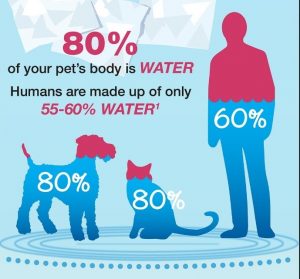
Courtesy: PetSafe.netYes, our pets are at an even greater risk for dehydration because their bodies contain more water (80%) than the human body which contains only 60% of water so it’s critical to know how to keep your pets well-hydrated during the summer months.

So, in honor of National Pet Hydration Awareness Month during July, let’s take a closer look below at the proper hydration our pets need in these hotter months.

How Much Water Do Pets Need?

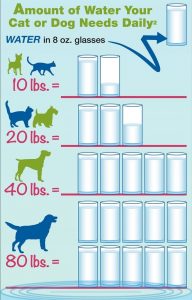
Most pets need 1 ounce of water per 1 pound of bodyweight. (Learn about how much water horses need below.) Is your pet getting that much water each day? All pets need plenty of fresh, cool water, especially during the hotter months.

Closely monitor their water intake to ensure they are getting enough water to support their overall health.

If your pet likes to drink out of the faucet (including some cats), invest in a pet fountain that offers fresh running water to entice them to drink more.

This handy graphic by PetSafe.net, the founders behind National Pet Hydration Awareness Month, offers a great visual in terms of 8 oz. glasses of water. (Exercise or excessive heat/humidity increases how much water your pet needs.)

Unfortunately, most pets do not get enough hydration during extreme and humid temperatures. Even if your pet is indoors in the air conditioning, their bodies still feel the effects of the increased heat and humidity especially if they spend any time outdoors.

Signs of Dehydration

Dehydration can sneak up on your pet and owners need to be aware of the symptoms indicating potential dehydration.
  1. Sunken, dry eyes
  2. Dry nose and/or mouth
  3. Lethargy and depression
  4. Gums that are dry, sticky or pale
  5. Loss of appetite or refusal to eat

Use this Skin Test to See If Your Pet is Dehydrated

Gently pull up a loose fold of skin from the back of your pet’s neck or in between their shoulder blades.

Release.

If the skin quickly returns to normal, your pet is probably ok. If the skin hesitates or slowly returns to normal, your pet could be showing signs of dehydration. Call or see your veterinarian immediately to rule out dehydration and other serious health consequences.


Dehydration: Other Causes

Dogs or cats with the health conditions below can become dehydrated quicker and easier and need to be monitored closely.
  • Vomiting or diarrhea
  • Fever
  • Trauma
  • Heatstroke
  • Kidney disease
  • Diabetes (or other metabolic disorder)
  • Cancer
  • Pets who are pregnant/nursing

Dehydration: Equine

Horses are just as susceptible to dehydration. Just a 3-4% loss of body water can cause mild dehydration in a horse.
Horses who exercise and sweat in hot, humid temperatures will need more water especially to avoid heat exhaustion/heat stroke and worse.

According to the EquiMed website, adult horses around 1,000 pounds require a minimum of 10-12 gallons of water each day. Just like with other pets, water is critical for an equine’s proper bodily functions.


The Skin Test (above) can also be used near the base of the horse’s neck to help determine dehydration.


Always work with your veterinarian to make sure that you keep pets well-hydrated during the summer months to avoid any potential risks to their health.


Along with plenty of fresh

water each day, help your

animals stay as cool as possible

with regular grooming to remove

excess, dead hair.

Our EquiGroomer tools make grooming your horse easier, stress-free AND pain-free!

Order individual EquiGroomer tools or professional kits for your pet shop, tack shop or barn, by calling 860-573-0604,  sending us an email or visiting our website today!


Additional Reading:

PetSafe: Pet Hydration Awareness Month, Why Now

PetSafe: Infographic: Does Your Pet Have a Drinking Problem?

PetMD: The Importance of Water for Dog Nutrition

PetMD: Dehydration in Cats

EquiMed: Dehydration

Horse Racing Sense: Is My Horse Dehydrated? 10 Clear Signs of Equine Dehydration


Image Credits (In Order of Appearance):

Myriam Zilles from Pixabay 

Courtesy: PetSafe.net

Courtesy: PetSafe.net

Free-Photos from Pixabay 

FreeStocks.org from Pexels

Rebecca Schönbrodt-Rühl  from Pixabay 

Product Image Courtesy of EquiGroomer

Refer a Friend

Refer a Friend