Pet separation anxiety is felt by dogs, cats and even horses!

What is it and how can we help our pets?

Pet Separation Anxiety 101
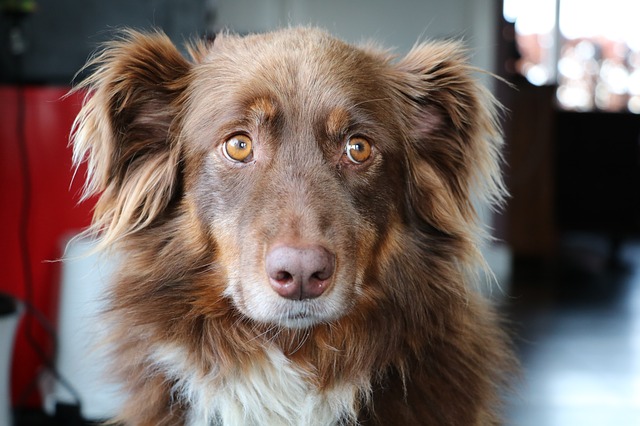
Brown and white dog sitting and looking anxious
Courtesy: Empiep / Pixabay

In simple terms, pet separation anxiety arises when some pets are left alone for too long. While each pet may exhibit different symptoms, this excessive attachment – to humans or animals – is unhealthy and needs to be addressed for the pet’s overall benefit.

Separation anxiety begins with distress in the absence of those the pet is overly dependent on.

If left ignored, this anxiety may escalate to:

  • Behavioral and destructive issues.
  • Self-injury.
  • Even attempts to escape.

Pet Separation Anxiety: Dogs
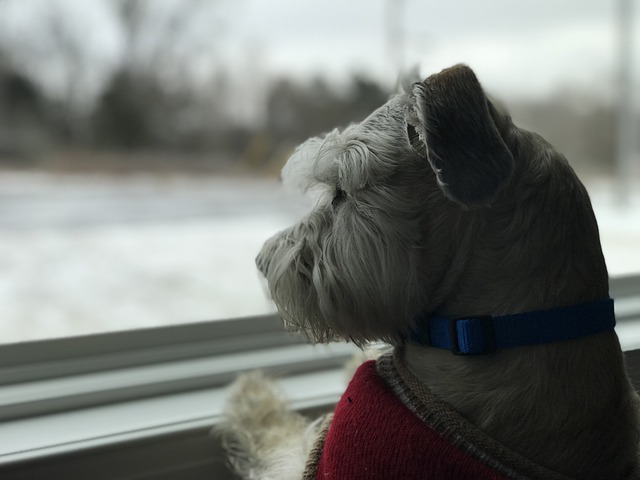
Pet separation anxiety is common among dogs
Courtesy: Keithfoust / Pixabay

The common symptoms of K9 separation anxiety include:

  • Barking, howling and whining.
  • Accidents in the house (including coprophagia or eating poop).
  • Chewing, digging and other destructive behaviors.
  • Escape attempts.
  • Pacing.
  • Drooling, panting or excessive salivation.

K9 Separation Anxiety: Why

  • Abandonment.
  • Change of schedule, home or guardian.
  • Sudden loss of a family member.
  • Medical issues.

Canine Separation: Solutions

  • Desensitization: Acclimate them to your departure by leaving for a few minutes and then returning. Over time, slowly increase how long you are gone.
  • Create a routine when you leave; ask your dog to sit, offer a high-value treat and then calmly leave. (Begin this routine during desensitization (above)).
  • Exercise your dog before leaving.
  • Add another dog to the household.
  • Avoid a huge fuss when you leave (or come back home).
  • Leave your dog with a filled/frozen Kong toy to keep him busy and distracted.
  • Homeopathic or pharmaceutical options but always discuss with your vet first!

Pet Separation Anxiety: Cats
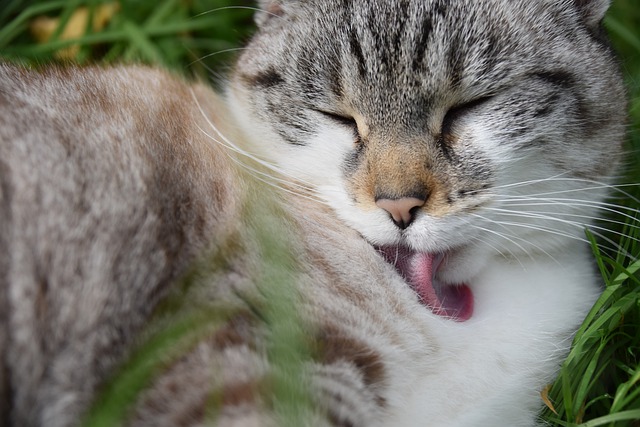
Gray and white cat grooming itself
Courtesy: JackieLou KL / Pixabay

Pet separation anxiety may seem more common in canines, but research shows our felines also suffer from pet separation anxiety (despite their aloofness!). In a recent study, 64% of the cats evaluated showed less stress when with their caregivers!

How can you tell if your cat is suffering from separation anxiety? General symptoms include:

  • Crying or yowling.
  • Accidents outside the litter box.
  • Destructive behaviors (more common in male cats)
  • Excessive grooming (more common in female cats)
  • Hyper-attachment with caregiver(s).

Feline Separation Anxiety: Why

  • Being a female cat.
  • Cats only livig indoors.
  • Weaned too early, bottle-raised or orphaned.
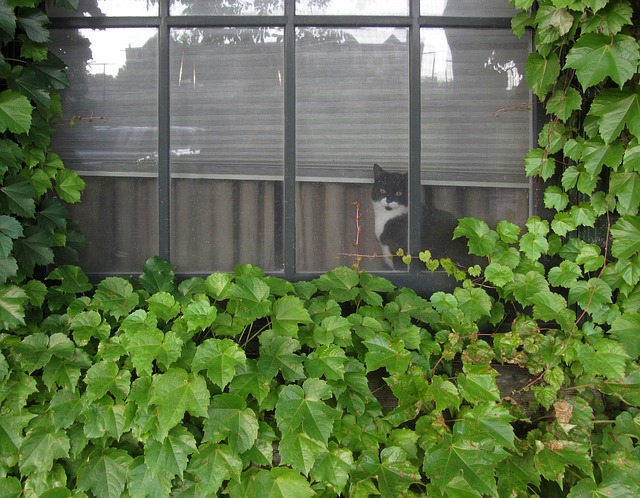
Indoor cats can suffer from pet separation anxiety
Courtesy: FPHayes / Pixabay

Cat Separation: Solutions

  • Desensitization: Give attention or affection to reward a calm cat. Ignore attention-seeking behaviors. Reward signs of relaxation:
    • Lying down.
    • Sighing.
    • A loose/still tail.
    • Closed eyes.
  • Before leaving, play with your cat to tire them out.
  • Keep your cat busy in your absence with enrichment activities:
    • Cat TV shows,
    • Puzzle feeders, and
    • Hide-and-seek for treats hidden throughout the house.
  • Maintain a consistent routine.
  • Add another cat to the household.
  • Homeopathic or pharmaceutical options but always discuss with your vet first!
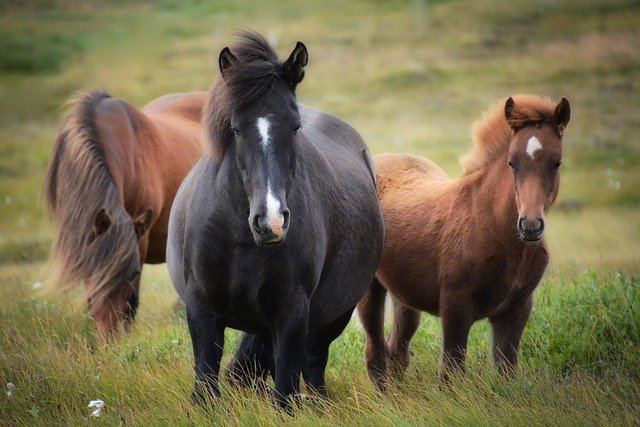
Two brown and one black horse in a pasture
Courtesy: Rebekka D / Pixabay

Pet Separation Anxiety: Horses

When separated from other horses (and owners), equines can experience separation anxiety!

According to Dr. Camie Helesi, a renowned equine researcher, separation anxiety stems from wild horses benefiting from strong social connections and bonds. Even short separations can result in equine fear, anxiety, stress and outbursts of panic.

What does separation anxiety look like in horses?

  • High volumes of abnormal vocalizations.
  • Shaking or trembling.
  • Increased heart rate and sweating.
  • Loss of appetite and an unwillingness to drink.
  • Rearing, kicking out, bucking, spooking, pawing or bolting.
  • Pacing and fence walking.

Equine Separation Anxiety: Why

  • Separated from their herd.
  • Confined in isolation (even for short periods).
  • Horses who are tightly bonded.

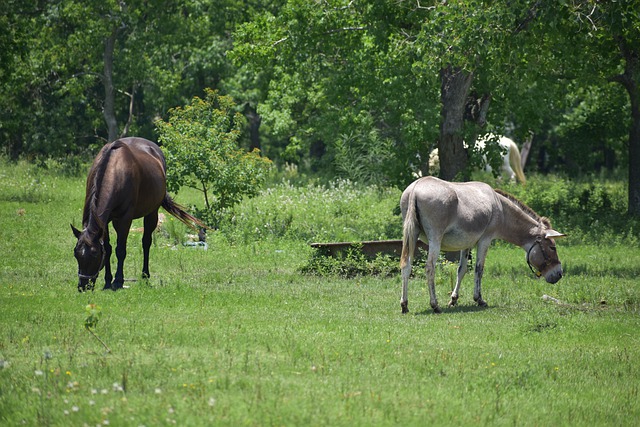
Donkeys can help horses avoid pet separation anxiety
Courtesy: F. Muhammad / Pixabay

Equine Separation Anxiety: Solutions

  • Desensitization: Using short training sessions, work with keeping your horse’s focus on you while slowly moving them away from their companions. Reinforce good behavior and obedience with high-value treats or a groom session at the end to bolster their confidence.
  • For horses that must be separated, keep them in visual proximity.
  • Pair anxious horses with smaller ponies, goats or donkeys.
  • By keeping horses in a group of three, a horse is never left alone.
  • Homeopathic or pharmaceutical options but always discuss with your vet first!

If your efforts at easing your pet’s separation anxiety
are not working, find an animal or veterinary behaviorist to help you.

Separation anxiety is a serious condition and should not be ignored!
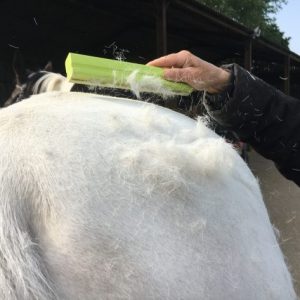

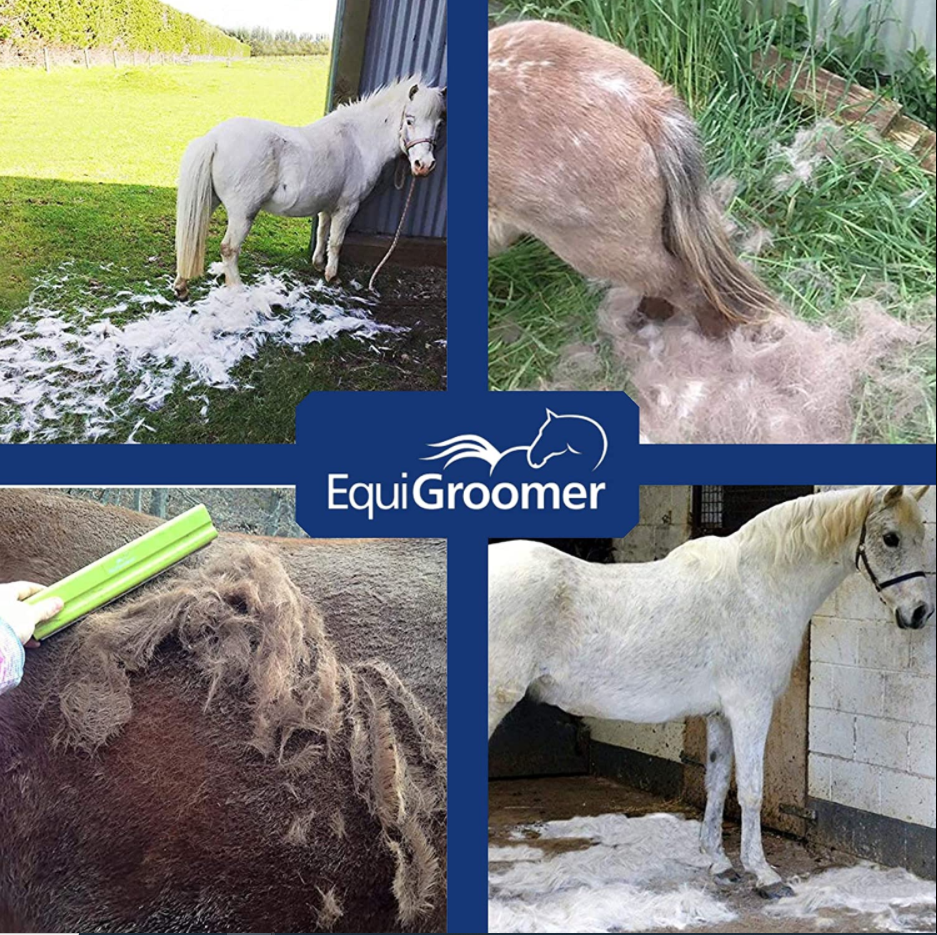
Brushing white horse with an EquiGroomer Tool
Courtesy: EquiGroomer.com

Grooming sessions are a wonderful way to reward your horse after
a good training session or ride!

Pain-free
Comfortable for sensitive-skin
Easily removes loose hair, dirt, and dander

Click here to purchase your
EquiGroomer Grooming Tools today!


For individual or bulk orders, call 860-573-0604 or click here to send us an email.

Are you confused when it comes to the terminology for
horse markings? If you’re new to the world of horses,
it can be confusing when it comes to understanding the
subtleties of equine markings.

Horse Markings Distinguish Individual Equines

What are Horse Markings?

According to Horse Illustrated, “horses can display a wide variety of markings on their bodies.” Horse markings are determined by genes and these white areas can be used to identify horses from others of similar color. These markings can also help prove ownership of a stolen or lost horse because rarely do two horses look exactly the same.

Horse markings are typically divided into 4 categories, but there can also be combinations of markings and other potential markings.

  1. Facial.
  2. Legs.
  3. Spot.
  4. Dorsal or Eel Strip.

A spot can be anywhere on a horse’s body. What’s unique is that the “hair swirls in a circular direction” in contrast to the rest of the horse’s coat.


A Dorsal or Eel Strip is found on the horse’s back. It is a darker strip of hair running down the back from the mane to the tail. This marking is common among:

  • Mustangs.
  • Duns.
  • Donkeys and mules. (There may also be a second horizontal strip across the shoudes in these breeds.)
  • Certain pony breeds.

Next, let’s look specifically at equine facial and leg markings.

Horse Markings: The Face

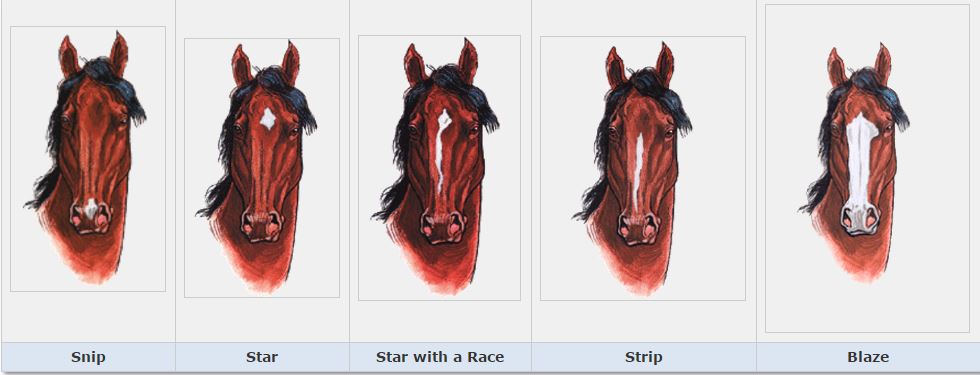
Equine Facial Markings
Courtesy: Public Domain / USGS

The common facial markings (by shape and location) include:

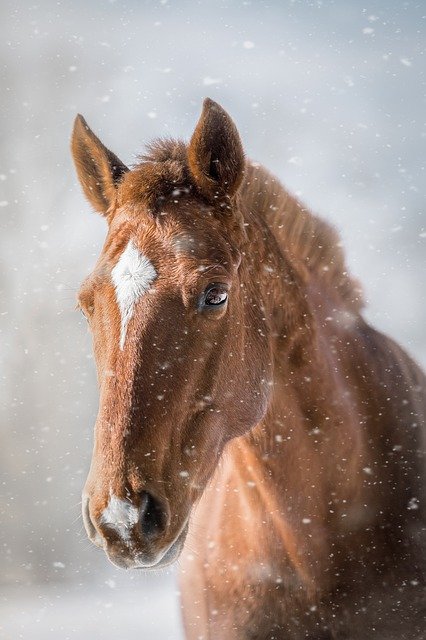
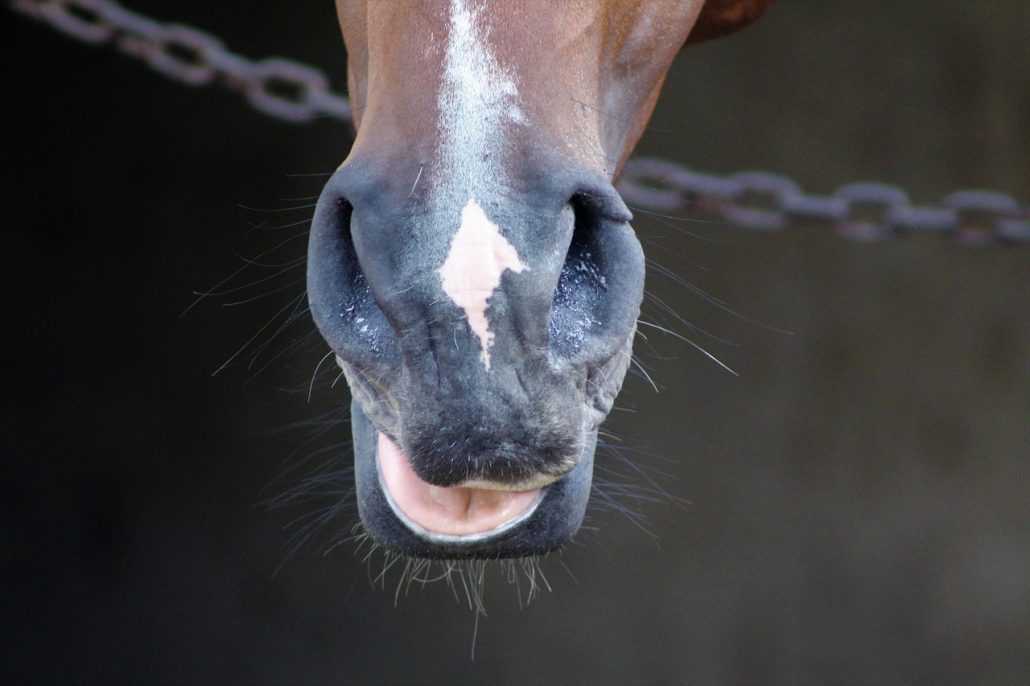
  • Star: A white marking between or above the horse’s eyes. Stars come in varying sizes and shapes including round, half-moon, heart, oval and/or crescent.
  • Snip: Like a star (above) in varying sizes and shapes, but located on the nose or muzzle.
  • Strip: A narrow white strip that runs down the middle of a horse’s face. (A crooked or wavy strip is sometimes called a “race.”)
  • Blaze: Where the white vertical line is wider and more prominent than a strip (above). May stop partway down the forehead or continue to the muzzle.
  • Bald: Where the white on a horse’s face goes above their eyes. The white is much whide than a blaze (above) and covers most of the face. Common in Paint horses along with blue eyes.

Horse Markings: The Legs

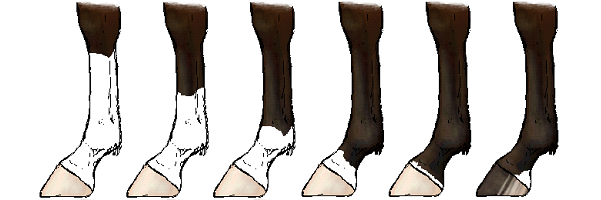
The common leg markings are identified by how high the white area extends on the leg.

Markings on Equine Legs
Courtesy: Merck Vet Manual
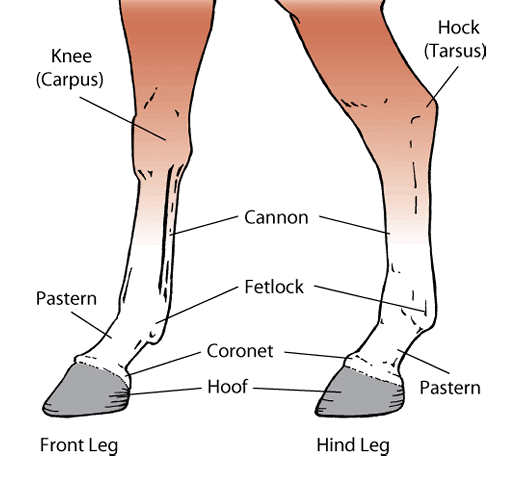
  • Coronet: A thin band of white hair just above the hoof. (The coronet also describes the upper part of a horse’s hoof.)
  • Pastern: When talking about a horse’s anatomy, the pastern is between the top of the hoof and the fetlock. When speaking about horse markings, the pastern is a patch of white hair on this area of the leg that may or may not go all around the leg.
  • Ermine: This describes a dark marking within the white marking above the hoof but also touching the coronet (coronary band) which differentiates it from a regular spot.
  • Sock: A common horse leg marking that extends from the top of the hoof about two-thirds up the leg and includes the fetlock. Horses can have from 1 – 4 socks. Also referred to as an anklet.
  • Boot: The boot extends higher than a sock, but below the knee.
  • Stocking: The marking starts above the hoof and goes beyond the knee and may include the entire leg. A similar marking is called the half-stocking or half-cannon.

Learn more about horse markings at EquineSpot.com.


EquiGroomer Tools for Horses
Courtesy: EquiGroomer.com

Keep Your Horse’s Markings Clean and Beautiful with the Best Grooming Tools for Pain-free and Comfortable Grooming!

The EquiGroomer Grooming Tools effectively removes loose hair, dirt and dander on all parts of a horse’s body, including its legs and bellies. The EquiGroomer’s blade is especially useful for sensitive-skinned horses.

For individual or bulk orders, call 860-573-0604
or click here to send us an email.


Looking at rare cat breeds? Check out the top 5 most expensive cats in the world!

But check your bank balance first because these rare felines can cost thousands of dollars!


Are you looking for a rare cat breed? Beware, these 5 rare cat breeds can come with a high price tag because of their rarity (or popularity) and low fertility rates.

Let’s look at the top five most expensive – and rare – felines next!

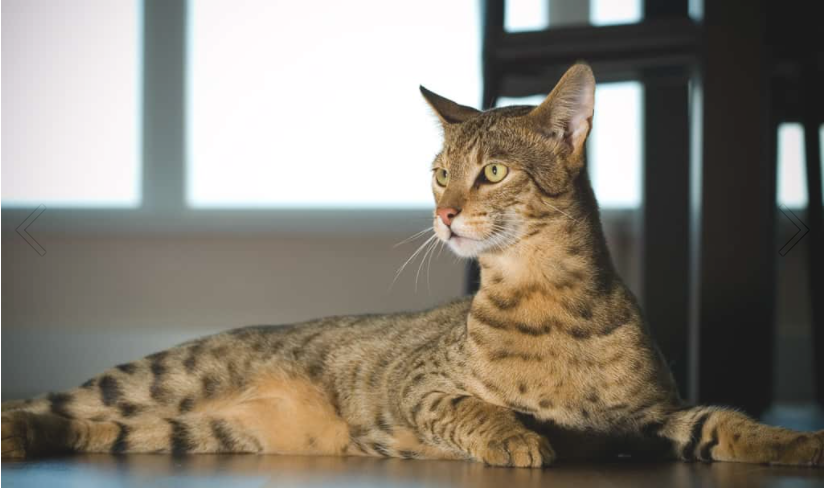
The Ashera cat is among the top 5 rare cat breeds.
Courtesy: Luxatic. com

#1 Rare Cat: Ashera

The Number 1 most expensive cat in the world is the Ashera Cat with a staggering price tag of up to $125,000! Now that’s a lot of catnip!

  • This exotic – and expensive – breed is a crossbreed between an African Serval (an Asian Leopard) and a domestic cat. Many claim the Ashera breed is really an F1 Savannah (meaning the first generation of offspring).
  • These felines can weigh up to 30 pounds!
  • Grooming: The Ashera should be brushed regularly to remove dead hair and prevent dangerous hairballs.

Refer to AnimalWised for basic care tips for your tips.

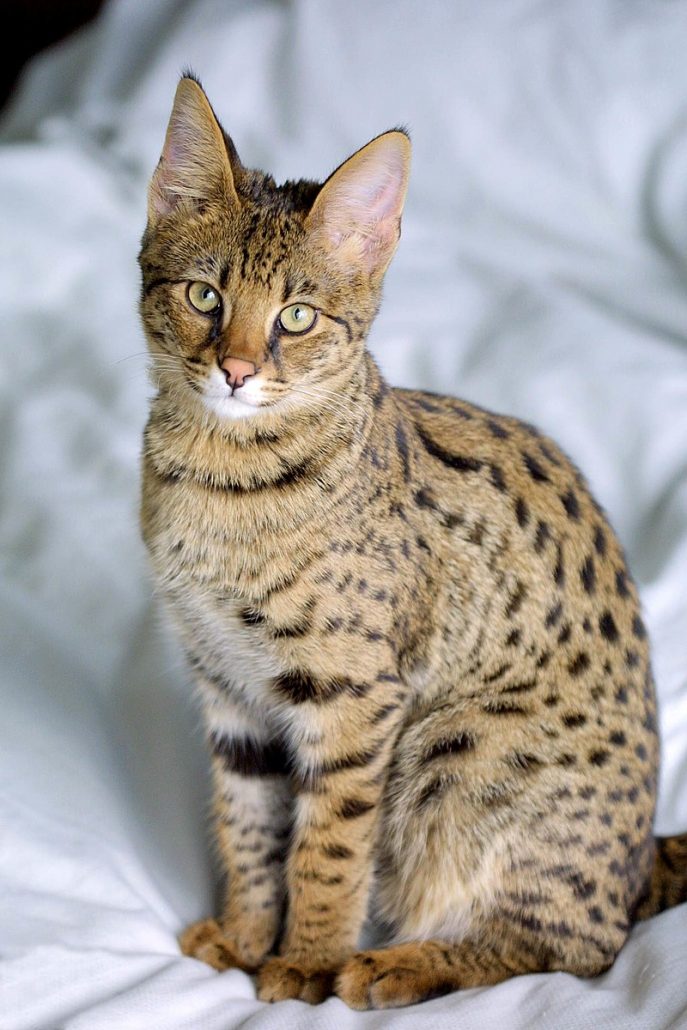
#2 Rare Cat: Savannah

  • This rare feline breed comes in as the second most expensive cat in the world with a cost between $10,000 to $50,000. The Savannah is a crossbreed of an African Serval and a domestic cat.
  • Before 2017, the Savannah once held the Guinness Book of World Record as the world’s tallest cat by a feline named Trouble who was 19 inches from his shoulder to tail.
  • Known as high-energy felines who need a lot of exercise.
  • Their low fertility rate contributes to their huge price tag! (Male Savannahs are not fertile after the sixth generation.)
  • Note: Savannahs are banned in parts of the world including several states in the USA becuase they are not consider “domestic” felines.
  • Grooming: The Savannah should be brushed regularly to remove lifeless hair and subsequent hairballs. do not bathe a Savannah too often to avoid hurting its skin and fur quality. Every two months should be sufficient or check with your veterinarian or groomer.

#3 Rare Cat: Bengal

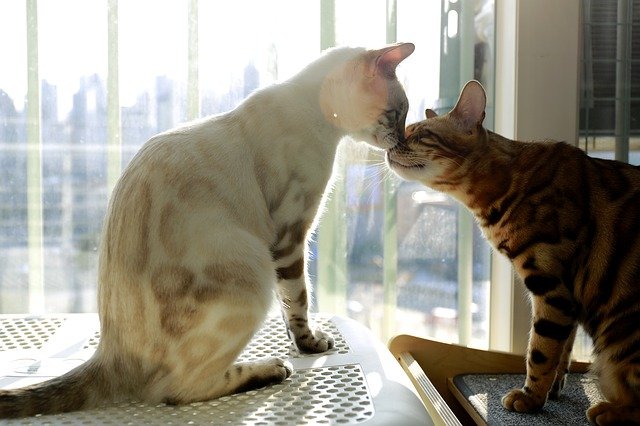
A cat hybrid between an Egyptian Mau and Asia Leopard, the Bengal can cost between $10,000 and $25,000.

Bengal cats belong to rare cat breeds.
Courtesy: Ishmann000 / Pixabay

The unique feature of this rare cat breed include:

  • A muscular build.
  • Big round eyes; and
  • Coat patterns with brown, silver/grey and black or white.
  • Unlike many cats, the Bengal enjoys water and swimming.
  • Note: It is illegal to own a Bengal cat in New York, Seattle and Hawaii.
  • Grooming: The Bengal should be regularly brushed especially during the shedding season to remove dirt and dead hair and prevent hairballs that can be ingested.

Another expensive feline breed is the Allerca costing up to $6,000. Known as “hypoallergenic” cat breed due to the “disabling” of the genes known to cause human allergies.

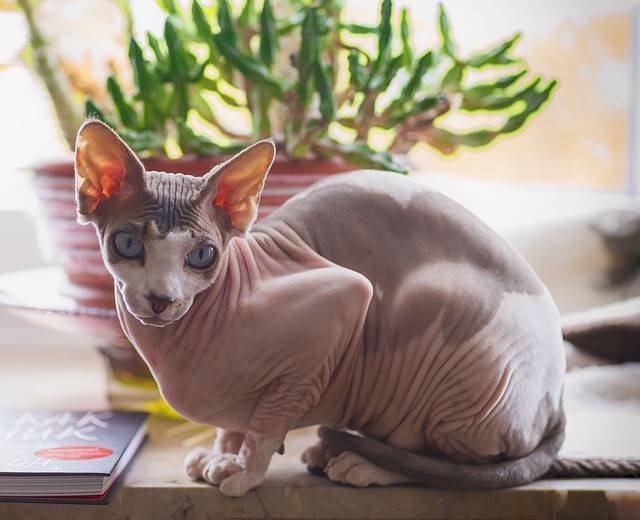
#4 Rare Cat: Sphynx (Price: $5,000 – $9,800)

The hairless Sphynx is also among the five rare cat breeds.
Courtesy: Igor Lukin / Pixabay

Known as a hairless cat, the Sphynx originated in Canada in the 1960s and was created through selective breeding with hairless cats. (Feline hairlessness comes from a natural genetic mutation.)

  • May suffer from separation anxiety and craves a lot of attention from their humans.
  • Prone to irritable bowel syndrome.
  • Annual heart scans are necessary for the Sphynx.
  • Grooming: Their very sensitive skin requires regular bathing (every 20-30 days) with a mild or even waterless shampoo for haireless cats with natural ingredients. Also, because of the lack of fur, the Sphynx can become cold very quickly so only wash them in warm areas (especially in the winter) and dry them thoroughly.

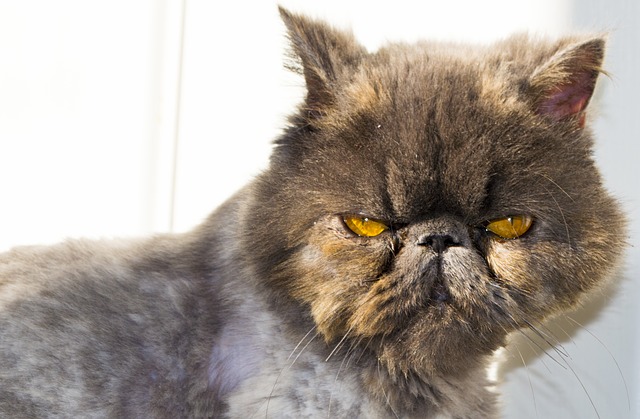
#5 Rare Cat: Persian (Price: $4,000 – $5,500)

Persian cats are also expensive and among rare cat breeds.
Courtesy: Cromaconceptovisual / Pixabay

This breed is not only in the top five most expensive and rare cat breeds, but is also one of the oldest cat breeds in the world dating back to the 17th century!

Curious about other expensive, rare cat breeds? Click here to learn more!


Courtesy: EquiGroomer.com

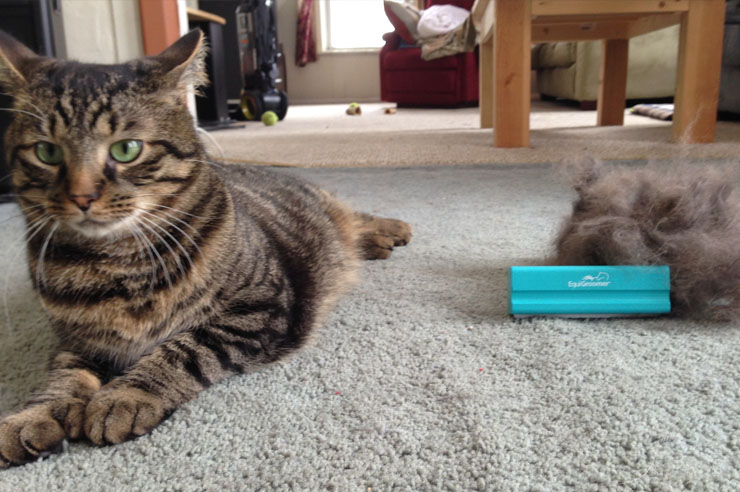
Did you know that the EquiGroomer tools are perfect for the feline(s) in your life?

Offering Pain-free and Comfortable Grooming Both You and Your Feline will Love!

Using the EquiGroomer Grooming Tools are also a wonderful way to bond with your kitty!


For individual or bulk orders, call 860-573-0604 or click here to send us an email!


Many of use create homemade treats for our dogs and cats. But have you made healthy treats for your horse?

If you’re not ready to heat up the oven yet, here is a great recipe for an easy, no-bake horse treat below!


Why Homemade Horse Treats?

Many animal lovers have turned to making their own homemade treats for the pets in their lives. Home-baked treats offer our pets extra nutrition and healthy, natural supplements over the mass-produced treats sold in stores. Making your own treats can also help you save money over the store-bought ones.

Horse treats are a simple way to add nutritional benefits without changing their regular feeding program! So, let’s dive in with our first recipe!

A Healthy, No-Bake Horse Treat

From the pages of the Savvy Horse Woman website, we begin with this easy, no-bake treat recipe for horses. Coconut oil, chia seeds, apple cider vinegar and Himalayan salt make up the majority of the healthy ingredients in this horse treat! Keep reading to learn the benefits of each.

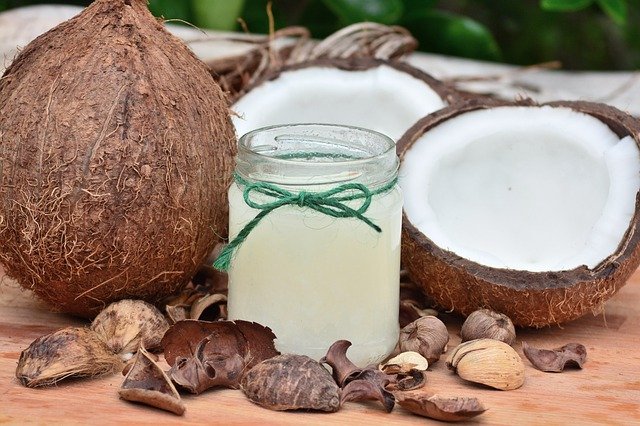
Coconut Oil

Coconut Oil
Courtesy: M.H. / Pixabay

In contrast to traditionally used vegetable oils, coconut oil is easier to:

  • Digest.
  • Absorb; and
  • Convert to energy.

In addition, it’s reported to assist with ulcers, acidosis, colic and dysbiosis. It’s also helpful for equines on a grain-based feed.


Coconut Oil: Top 10 Uses for Horses


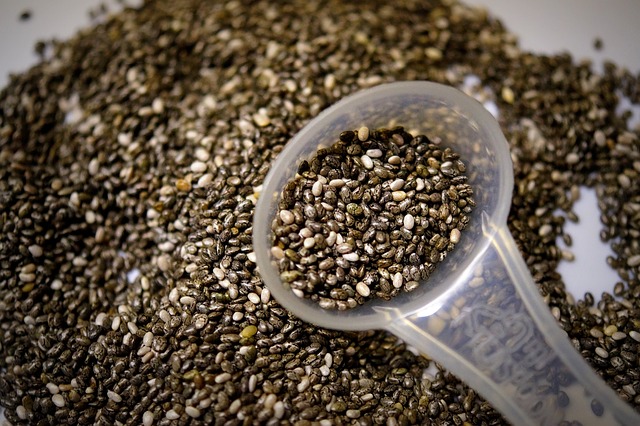
Chia Seeds
Courtesy: Moho01 / Pixabay

Chia Seeds

Proper Omega-3s and Omega-6s will leave your horse with a shiny coat and improved hoof growth! More beneficial than flax and fish oils, chia seeds contain higher levels of Omega-3 fatty acids which offer:

  • Natural anti-inflammatory properties.
  • An alternative for maintenance or recovery.
  • A USEF-sanctioned supplement for performance horses.


Chia Seeds: Top 10 Benefits for Horses


Bottle Apple Cider Vinegar
Courtesy: Amazon.com

Apple Cider Vinegar

Also known as ACV, apple cider vinegar helps acidify your equine’s stomach for better digestion and mineral absorption. It even prevents intestinal stones from forming and growing (helpful with hard water or horses that ingest a lot of alfalfa hay).

In addition, ACV helps protect your horse against:

  • Bacteria and parasites.
  • Waterborne diseases.
  • The fast absorption of sugar into the bloodstream for horses sensitive to sugar.
  • Degenerative joint health, arthritis pain and stiffness (just like in humans).


Apple Cider Vinegar (ACV): Top 10 Uses for Horses


Pink Himalayan Salt
Courtesy: Minree / Pixabay

Himalayan Salt

Mined from the Himalayas in Pakistan, Himalayan salt is regarded as one of the purest salts with its natural minerals and trace elements intact. (This is unlike traditional table salt that is highly processed and contains mostly sodium chloride.) An added benefit, most horses love and prefer it! It can be fed in block form or added to your horse’s feed.

Now you’ve understood all the healthy benefits of this no-bake treat, let’s get busy!

No-Bake Horse Treat Recipe

  • 1 cup rolled oats
  • 1/4 cup chia seeds
  • 2 tbsp molasses
  • 2 tbsp coconut oil
  • 2 tbsp apple cider vinegar
  • Pinch of loos Himalayan salt
  • Approximately 2 tbsp water (as needed for the right consistency)

Now the easy part! Mix all ingredients and roll into balls, 1 to 2 inches in diameter and store in the refrigerator to maintain the shape. Then share with your horse!

Horse smiling with tongue out
Courtesy: BelindaCave / Pixabay

Be sure to subscribe to our blog to get access to additional
horse treat recipes and other great horse content!


Horse Tack Shop Starter Kit of Horse Grooming Tools
Courtesy: EquiGroomer.com

Horse Grooming Tools with a Countertop Display Unit for Your Horse Tack Shop!

The Horse Tack Shop Starter Kit is all you need!

Retail Pet Store Owner? We’ve got you covered too!

For individual or bulk orders, call 860-573-0604 or click here to send an email.

Felines can be known to be stand-offish and nowhere as “needy” as their canine counterparts. But do cats get lonely?

Do Cats Get Lonely?

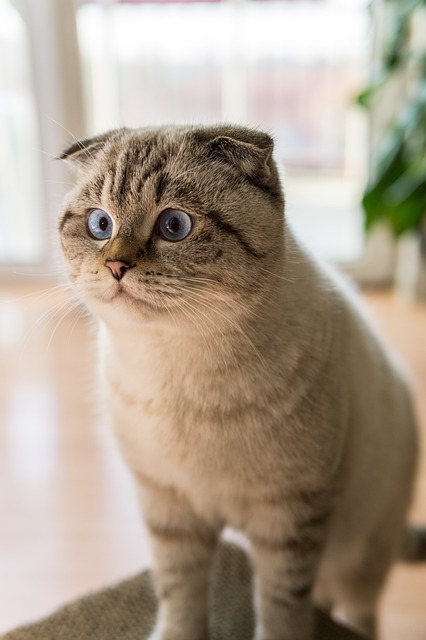
Cat with Blue Eyes
Courtesy: Gundula Vogel/Pixabay

Unfortunately, there doesn’t appear to be a definitive yes or no whether cats get lonely. Instead, there seem to be as many answers as there are “experts” and kitties are remaining tight-lipped with the truth!

A quick search reveals a wide array of answers on whether our felines get lonely.

Dr. Liz Bales: Veterinarian and Feline Specialist and PennVet Alumni
Cats are naturally solitary survivors. “Lonely” is not really an emotion that they exhibit.

Dr. Marci L. Koski, Certified Feline Behavior Consultant & Founder, Feline Behavior Solutions
Cats can and often do get lonely when their guardians are gone for varying lengths of time. Cats aren’t nearly as independent as people have historically thought them to be.

Dr. Leticia M.S. Dantas, Diplomate of the American College of Veterinary Behaviorists
The answer to “Do Cats get lonely?” is likely yes – if they are kittens before their territorial nature kicks in at adulthood.

So, the simple answer is we don’t know and probably won’t until felines decide to let us in on this secret!

What Can a Cat Guardian Do If Their Cat Gets Lonely?

There is some good news, there may be signs and symptoms which may indicate your indoor cat is lonely and needs more companionship, interaction and human love. Below we explore the helpful tips to proactively keep your domestic cat from being lonely!

Possible Signs Your Cat May be Lonely

Cat Meowing Outside
Courtesy: Pixabay

While felines are not pack animals like canines, cats are still social animals to differing degrees. So which potential signs may mean your cat is lonely?

  • Frequent and loud meowing and other vocalizations
  • Excessive shedding
  • Depression and separation anxiety
  • Sudden clinginess
  • Changes in eating and sleeping patterns
  • Sudden problems with using the litter box
  • Changes in your cat’s aggressive behavior

How to Keep Your Cat Happy and Engaged: 6 Tips

Courtesy: Adina Voicu/Pixabay
  1. Just like our dogs, cats thrive on a consistent routine. If your routine suddenly changes, your cat may begin to exhibit symptoms of separation anxiety or loneliness. Do everything you can to maintain your pet’s regular schedule. If necessary, hire a pet sitter to avoid the development of negative and even destructive cat behaviors as well as feline loneliness.
  2. Like most living beings, cats need quality interaction and play with their humans and/or other pets for their best emotional health.
  3. Keep in mind, any environmental change may also lead to feline stress and negative behaviors. Going on vacation? Keep your cat in their home with a pet sitter they know.
  4. Consider adopting another cat for regular companionship and socialization.
  5. Rotate a variety of interactive cat toys to keep your feline from getting bored and lonely.
  6. Create a cozy spot near a window so your cat can stay entertained with birds, and wildlife.

Remember, not all cats have the same needs.
You know your cat best and what they need.

If you’re not sure, find a local cat behaviorist to make sure
your cat does not get lonely and is happy and engaged!

Tabby cat cleaning his fur
Courtesy: IRCat/Pixabay

Courtesy: EquiGroomer

Strengthen Your Bond with Your Cat with the BEST Grooming Tool and More!

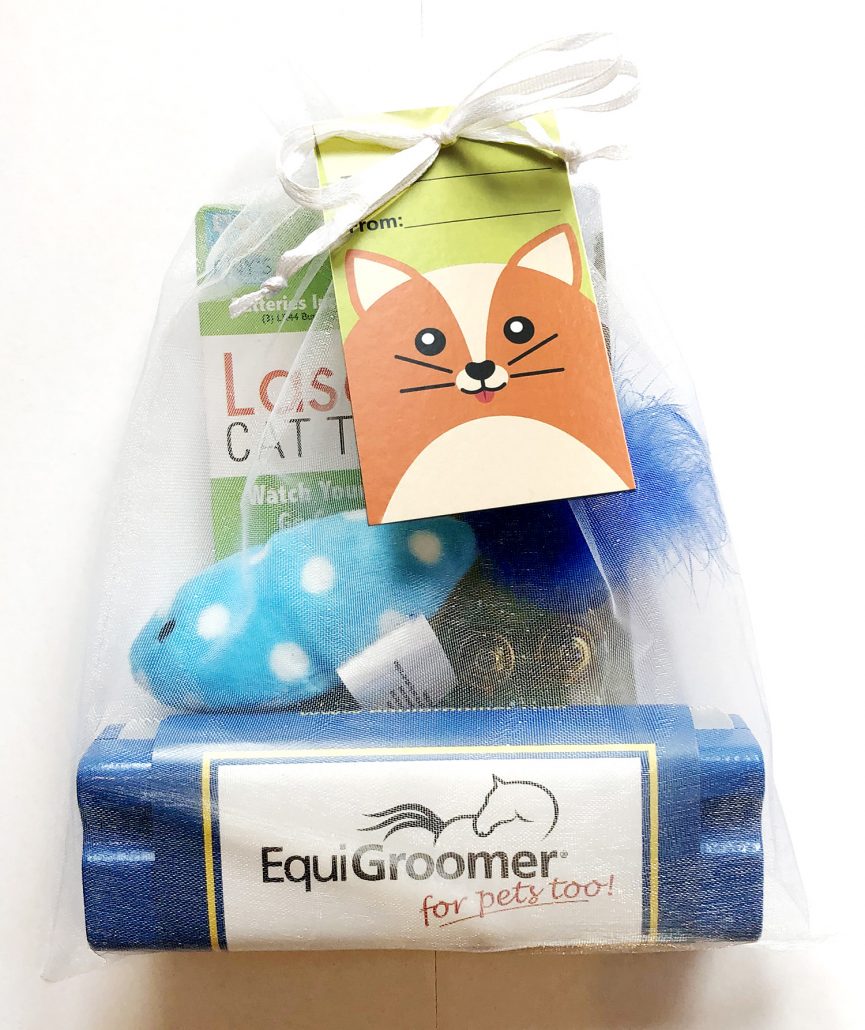
Purchase the EquiGroomer Cat Gift Bag and spend quality, one-on-one time with your feline!

Easily remove dead hair, dust and dander from your cat’s coat with the Cat Shedding Brush, and afterward, engage your cat in play with the Laser Pointer and adorable Cat Toy!

For individual or bulk orders, call 860-573-0604 or click here to send us an email.


How can you accurately measure a horse?

Below, learn how to make your own measuring stick and how to accurately measure a horse.

Equine Measuring Sticks

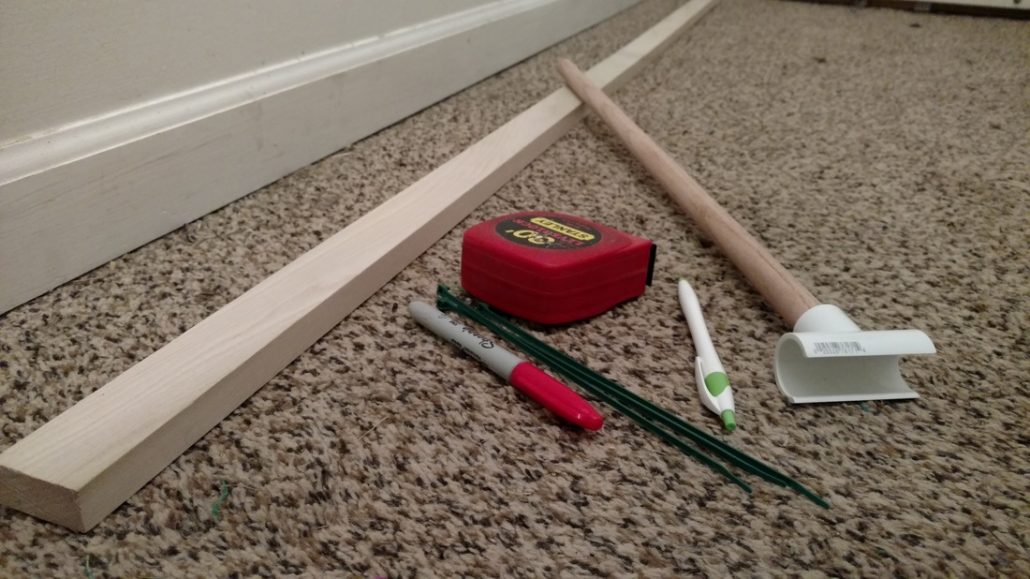
There is a variety of measuring sticks and tapes that can be used to measure your horse from various tack shops and even eCommerce platforms like Amazon, Chewy and more for around $40. But if you’re even a little handy, you can make your own measuring stick for less than $10 with the instructions below.

The DIY Horse Measuring Stick: Supplies

  • 6-foot (or longer) 1-inch x 2-inch piece of wood
  • 3/4-inch diameter wooden dowel, 24-inches in length
  • 3/4-inch x 3/4-inch x 1/2-inch PVC saddle tee
  • Measuring Tape
  • Pen/Pencil
  • Permanent Marker
  • Zip Ties
Courtesy: OTTBtraining.com

Horse Measuring Stick: Directions

Marking the Stick:

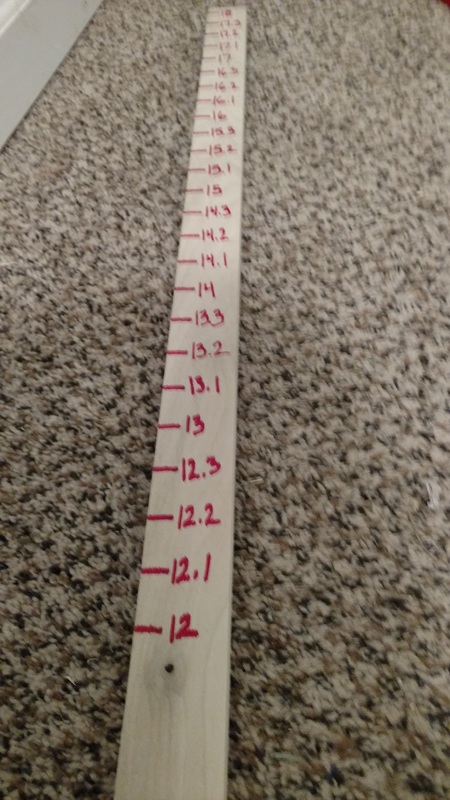
  • Make the first mark with a pen or pencil at 48 inches (or 12 hands) and then mark every inch until you reach the end of the stick at 72 inches (or 18 hands).
  • Go over each mark with a permanent marker creating a partial horizontal line. Then write the horse hand height next to each line.
  • Starting at 48-inches, mark the incremental measurements: 12, 12.1, 12.2, 12.3, 13, 13.1 … until you reach 72” (or 18 hands) as illustrated on the right.

Adding the Measuring Arm:

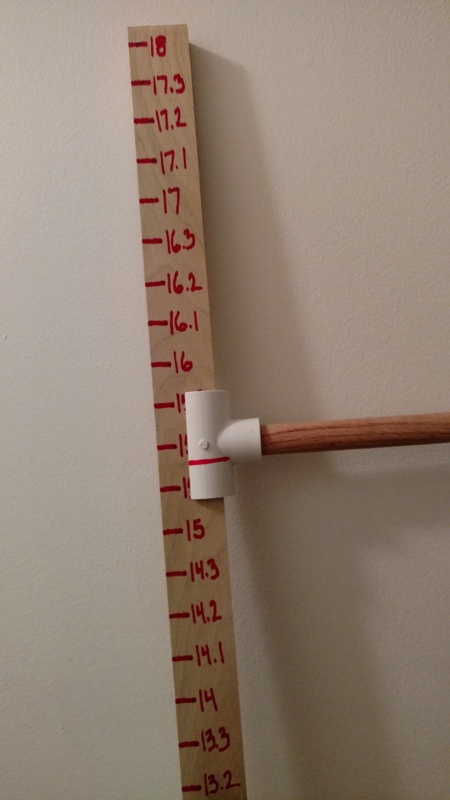
  • Insert the wooden dowel into the threaded side of the PVC saddle tee getting it as secure and level as possible.
  • Mark a line on both sides of the PVC fitting as an extension of the bottom of the wooden dowel to find an accurate measurement when placed on the horse’s withers.
Courtesy: Horse Pros
  • OPTIONAL: Use the zip ties to loosely secure the measuring arm to the measuring stick. Do not overtighten the zip ties so you can still easily slide the arm up and down.

The finished horse measuring stick is shown below.

Courtesy: OTTBtraining.com

(Want to add jump heights on the reverse side? Go to OTTBtraining.com for directions.)

Courtesy: Equine Helper:

Accurately Measuring a Horse: 4 Steps

Horses are measured in units called “hands.” (One hand is equal to 4 inches.) Now, let’s go through the four steps to accurately measure your horse.

  1. Measure your horse on level ground for the most accurate measurement.
  2. Make sure they are tethered to keep them in place.
  3. Ensure your horse is standing “square.” This means the two front legs and both hind legs are standing directly next to each other. Your horse will now be standing at their full height.
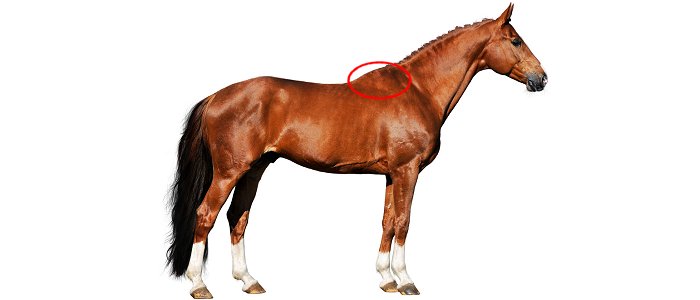
  4. Measure from the ground – besides one of your horse’s front hooves to their withers as illustrated below. If you’re using the DIY Measuring Stick, lay the measuring arm across the withers at a 90-degree angle for an accurate measurement.

Courtesy: Equine Helper

The withers are the highest point of a horse that maintains
a consistent height.

Is It a Horse or a Pony?

There is a height distinction between a horse and a pony. Horses are 14 hands and 2 inches (or 14.2 hands) and taller while ponies are below the 14.2 height. (Horses reach their final height around 4-5 years of age.)

Video: How to Measure a Horse’s Height by Equine Helper


The WaterWisk 7-inch Horse Sweat Scraper!

Courtesy: EquiGroomer

Save time and stay dry by adding the WaterWisk to your horse’s bathing tool kit. It will remove excess soap and water from your horse’s coat and prevent the inevitable stream of water that runs down your arm when using other types of scrapers.

Unlike traditional sweat scrapers made of hard plastic, rubber (that often gets hard and cracked) or metal, our blade is made from a tough but flexible polyurethane – the same materials silk screeners use – so you can use it to remove water from every part of a horse’s body, including the bony areas such as hips and legs.

For individual or bulk orders, call 860-573-0604 or click here to send us an email.


Despite the dog days of summer ending on August 11th, heat records continue throughout the United States. Lean how extreme heat affects our pets and how to help.

Death Valley experiences extreme heat
Courtesy: Jplenio / Pixabay

THE Hottest Month on Earth!

On Friday, August 13th, the “National Oceanic and Atmospheric Administration (NOAA) declared July 2021 the world’s hottest month in 142 years of records.” Even Death Valley, California hit a new world record at a sweltering 130 degrees F!

In addition, records were also broken in Turkey, Northern Japan, Italy and Northern Ireland.

These extreme temperatures are life-threatening for humans, imagine how our pets felt trying to adapt and cope with extreme heat!

Extreme heat affects marine life
Courtesy: Donieve / Pixabay

All Animals Are Affected by Heat

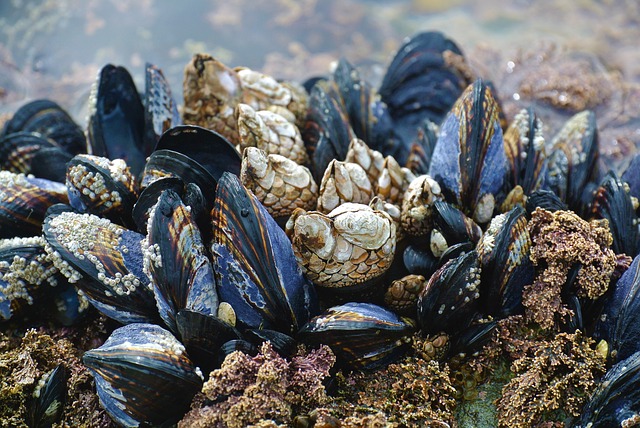
Both wildlife and domesticated animals are affected by these scorching temperatures. Even marine life has paid a high price on the Pacific Coast with millions of mussels, sea stars, barnacles and hermit crabs dying.

So how can you protect your beloved pets during these all-too-common heatwaves?

Extreme Heat: How Pets Cool Down

First, it is important to remember that physiologically cats, dogs, and rabbits cannot deal with extreme heat as we do. While we can regulate our body temperature through our largest organ, skin, animals are different.

Extreme heat affects our K9s
Courtesy: Couleur / Pixabay

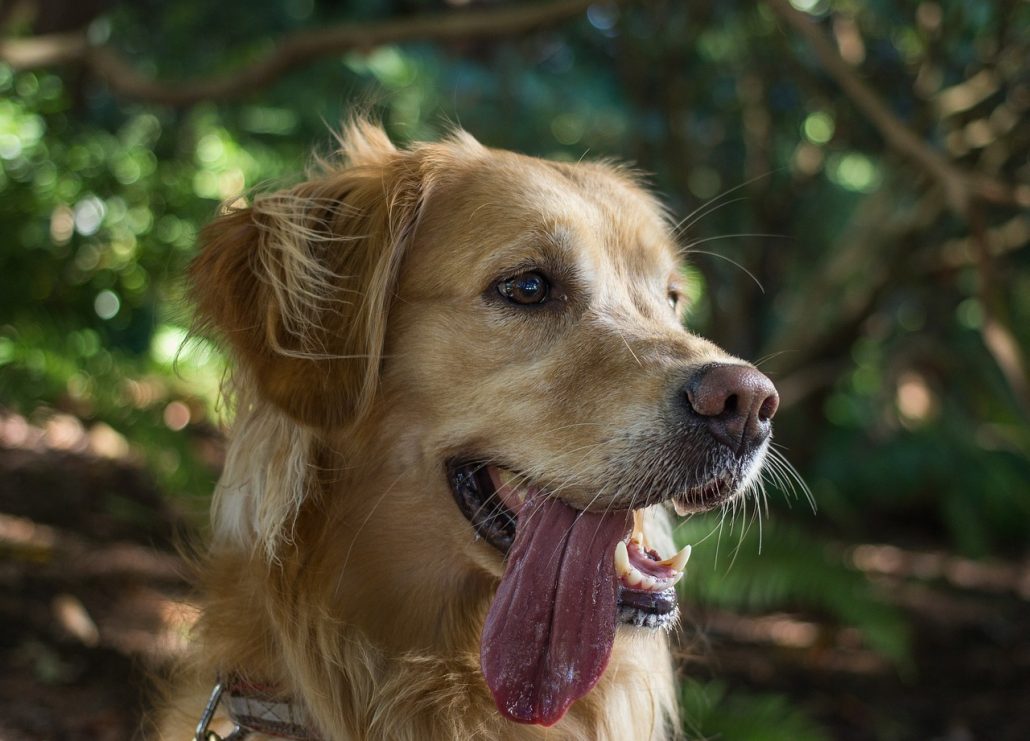
Dogs and Cats: Sweat only through their paws and noses. Panting also helps them cool off.

Cats: Through grooming their fur, the saliva evaporates off their hair and helps cool them down.

Rabbits and Birds: Do not sweat at all! They try to cool down with panting. Birds open their mouth and “flutter” their neck muscles to promote heat loss. They also flap their wings. Rabbits dissipate heat through their ears.

Horses: Cool themselves through 1) the dilation of skin capillaries and 2) sweating through their skin.

Remember, deal with dangerously hot temperatures from your pet’s point of view, not your own.

Extreme Heat and Risks

Animals don’t always let us know how they are feeling. So, the pet owner needs to understand each animal and protect them in extreme temperatures.

Extreme heat affects our pets and can cause dangerous conditions including:

Extreme Heat: 8 Ways to Protect Your Pets

Extreme heat affects our pets
Courtesy: Madhurima Handa / Pixabay
  1. Offer plenty of fresh, cool water.
  2. Run the AC; do not rely on just a fan.
  3. Make sure any pets in cages are away from all windows. Pull the shades to keep the heat out.
  4. Brush them often to remove old, excessive hair.
  5. If your pet begins to overheat, slowly cool them down and contact your vet.
  6. Keep a closer eye on pets susceptible to heatstroke including:
    a. Brachycephalic breeds like Pugs, Bulldogs, French Bulldogs and Boston Terriers.
    b. Pets with heart issues.
    c. Overweight pets.
    d. Very young or very old pets.
  7. Remember humidity adds to the overall heat index so be extra vigilant!
  8. Know your pet so you notice if they are not drinking enough water and whether they are overheating.

Extreme Heat: 6 Things NOT to Do!

Extreme heat affects our dogs
Courtesy: Artem Beliaikin / Pexels

Doing any of the six things below could harm your pet (rather than help) during extreme heat.

NEVER:

  1. Shave your pet!
  2. Immerse your pet in very cold water! This may cause shock and even death and stop all cooling.
  3. Leave your dog or other pets outside!
  4. Exercise your pet during the hottest parts of the day. Avoid hot pavement, asphalt and parking lots. Walk your dog on the grass or dirt.
  5. Leave your dog or any other pet in the car!
  6. Leave pets unattended around a pool!

Always work with your veterinarian on how best to keep your pet cool during heat waves based on their breed, age, overall health and condition.


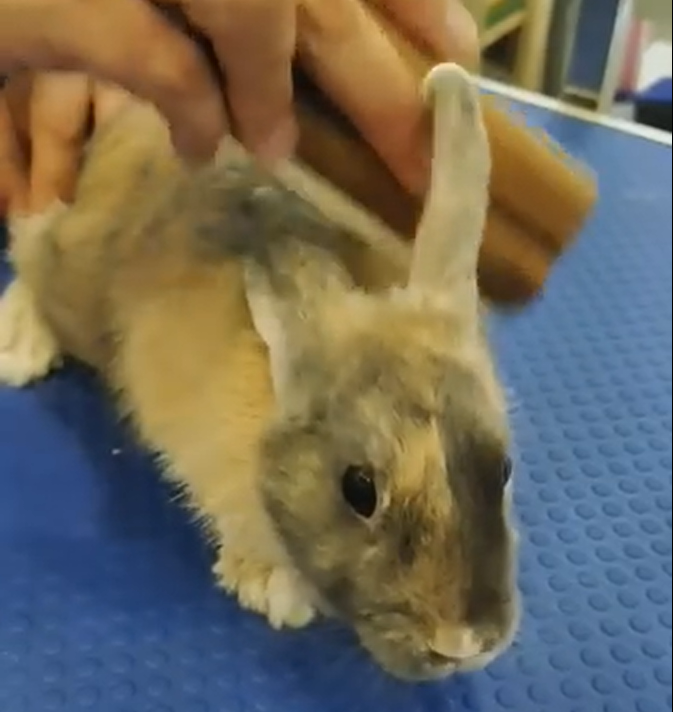
A Rabbit Getting Groomed
Courtesy: EquiGroomer

Regularly brush out your pet’s old, excessive hair with EquiGroomer tools to help them keep cooler during the hot days.

EquiGroomer Grooming Tools: Easy and Pain-Free Grooming!

Click here or on the image to watch the video!

For individual or bulk orders, call 860-573-0604 or click here to send us an email.

For those who suffer from chronic allergies, non-shedding dogs are a popular choice.

But do non-shedding dogs really exist? What you need to know!

Are Yorkies Non-Shedding Dogs?

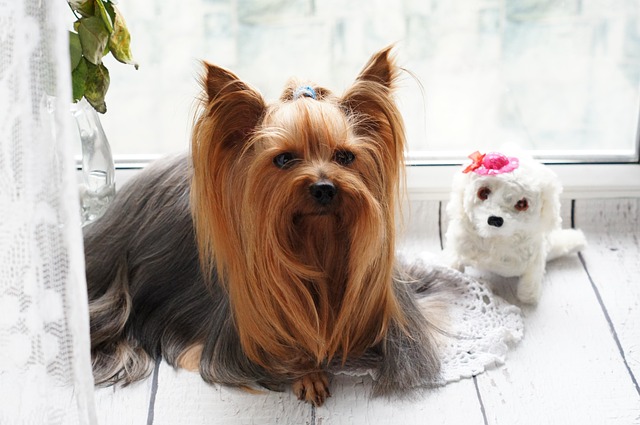
A Long-Haired Yorkie

The short answer is no. But because Yorkies don’t have an undercoat, they do not shed a lot. According to the AKC, a Yorkie’s coat doesn’t shed any more than our own hair.

Yorkies, with their fine, silky hair, do not have the same growth and shedding cycles like other dogs who tend to have bursts of hair growth followed by periods of shedding.

So are there really non-shedding dogs?

Do Non-Shedding Dogs Exist?

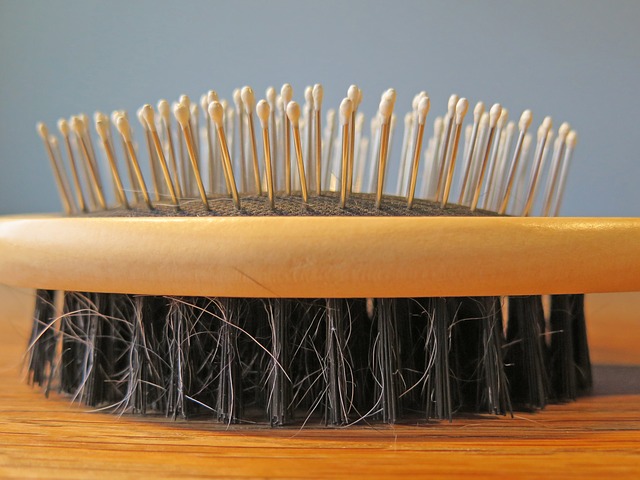
A Dog Brush With Some Hair

Sadly, no. Every dog sheds to one extent or another (it’s just biology!) and no canine is 100% hypoallergenic!

Here’s what is true! Some dog breeds may cause fewer allergy symptoms than others.

Did you know that human allergies are not caused by the pet’s fur? Instead, allergies are exacerbated by the dog’s dander (dried, dead skin cells) that contains a particular protein also found in the saliva, sweat and urine of both dogs and cats according to the renowned Mayo Clinic.

Are Doodles the Answer to Shedding?

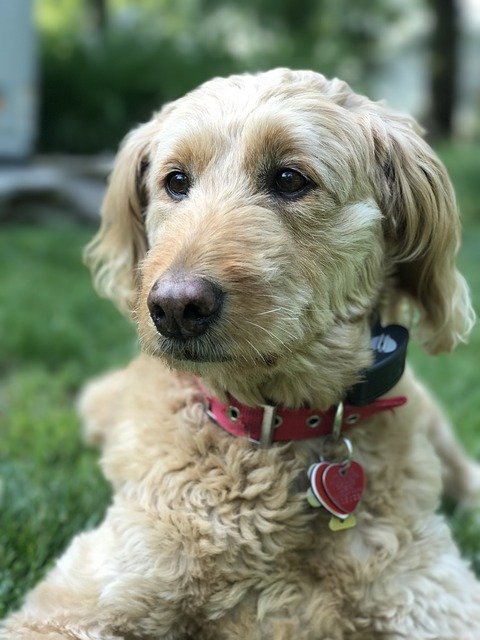
Golden Doodle Puppy on Grass

Again, every dog sheds (even “hairless” dogs)! Dogs who are commonly known to be “low-shedding” like poodles still shed their hair albeit infrequently. Once considered the original “hypoallergenic breed,” the poodle’s single-layer coats do not shed much without an undercoat. 

Dog breeds including poodles and doodles were simply labeled as hypoallergenic because of the false assumption that dog breeds that do not shed hair must release less allergen.”

Back in 2012, researchers in the Netherlands and Virginia concluded that the major dog allergen (Can f 1) was highest in the hair and coat samples from hypoallergenic breeds including Poodles!

So even offspring from cross-breeding with Poodles (called Doodles), does not completely remove the risk of human allergies to dogs. While owners will probably experience less shedding from the single-layer coat of the Poodle, even these breeds are not 100% hypoallergenic.

So, what can a dog lover do?

8 Tips to Lessen Allergies to Dogs!

For those challenged with allergies who still want to have a canine in their life, medications or allergy shots may help reduce or eliminate allergies in addition to the tips below.

These 8 tips can help those with allergies keep their beloved pets in their lives and homes.

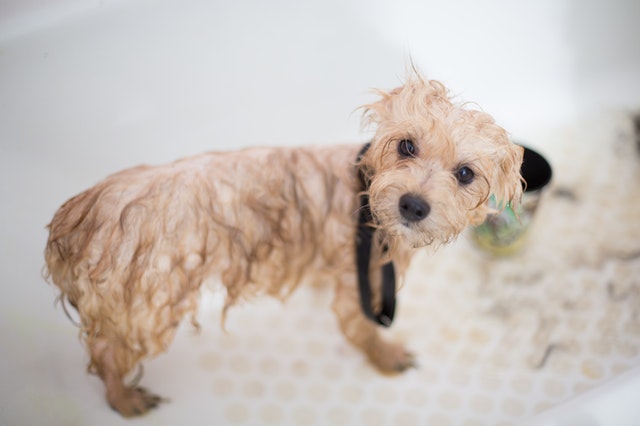
Wet Dog in Bathtub Getting Groomed
  1. Frequent bathing and/or grooming to help remove dander and dead hair. (Note: work with your vet or groomer to prevent over-drying your pet’s skin).
  2. Wipe your pet with a wet cloth of baby wipe daily.
  3. Keep pets confined to certain rooms especially those without carpeting.
  4. Every day, run a HEPA room air cleaner.
  5. Always use a HEPA-equipped vacuum cleaner.
  6. Frequently replace heat and air conditioner filters and vents more often.
  7. Steam clean carpets and upholstered furniture often.
  8. Wipe down all hard surfaces often.

So, while some dog breeds may help those living with chronic allergies, keep in mind that no dog is

100% hypoallergenic or non-shedding.

So, while some dog breeds may help those living with chronic allergies, keep in mind that no dog is

100% hypoallergenic or non-shedding.


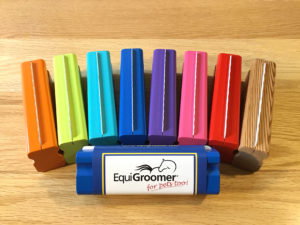
The EquiGroomer Tools

The Best Grooming Tools for the Pain-free and Comfortable Grooming Both You and Your Pet will Love!

The EquiGroomer Grooming Tools along with bathing can effectively help reduce dead hair, pet dander and allergens inside your home helping to alleviate allergies!

For individual or bulk orders, call 860-573-0604 or click here to send us an email.

Image Credits (in order of appearance)

Pezibear / Pixabay

Anna Doshechko / Pixabay

Ludwig Willimann / Pixabay

SDanzger / Pixabay

Benjamin Lehman / Pexels

EquiGroomer.com

Should you shoe your horse?

Or should you let your horse go “barefoot?”


For humans, going barefoot supports:

  • A more natural foot control, position and gait.
  • Better “mechanics” for feet, hips, knees, joints and core.
  • Stronger balance and posture.
  • The avoidance of foot pain and/or deformities.

Will horses realize the same benefits in going “barefoot?”

FUN FACT!

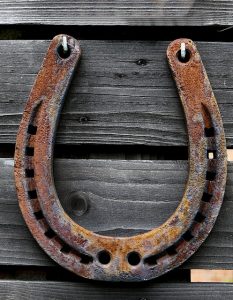
Hanging Horseshoe

Many believe horseshoes bring good luck! BUT, if you are looking for good luck, avoid hanging the horseshoe with the open side on the bottom … all your good luck will flow out!

The Barefoot Horse

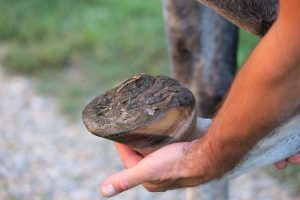
The “simple” answer, according to the Horse and Rider, is that “under the right circumstances, many horses can go barefoot as long as their owners are armed with the knowledge to make the right decision.” A Barefoot Horse Hoove

A healthy and strong hoof can provide all the protection, traction and support a horse will need. Barefoot horses build up stronger hoof walls and a thickened sole to protect the hoof over prolonged use.

When it comes to shoeing your horse, the answer is not always on one extreme or the other. There are many available options whether to shoe or not to shoe your horse!

So, what knowledge does the horse owner need to make the right decision when it comes to their horse?


To Shoe or Not to Shoe Your Horse: Why

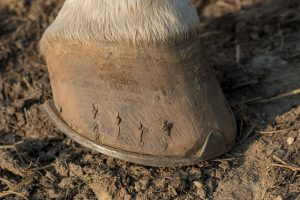
There are several things to consider based on your horse and his individual needs. Horses with naturally strong, Shod Horse Hoofhealthy feet may be able to go without shoes while other equines may need the additional support and protection.

According to Practical Horseman Magazine, while some horses have naturally strong, healthy feet and can go without shoes in many situations, others need additional support and won’t benefit from being barefoot.”

When trying to determine whether to shoe your horse, consider the following questions.

  • What is your horse’s level of activity?
  • What surfaces is your horse exposed to?
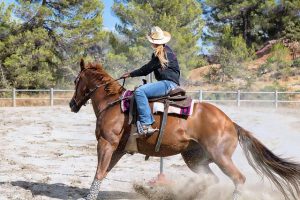
    • Hard, stony or rough ground/trails? Rodeo Horse Doing Barrels
    • Softer surfaces like sand, pastures or grass?
    • Does your horse need to optimize its performance in difficult conditions or competition? 
    • Harder surfaces may require shoes for increased support, protection and traction. Rocky, rough, icy or snow-packed surfaces or the need for optimized performance can cause foot soreness, bruising, and decreased performance for the barefoot horse so horseshoes offer the horse more benefits.
  • Does your horse have conformation faults or medical conditions that need to be corrected or addressed?

If you have decided to shoe your horse, when whould it be done?


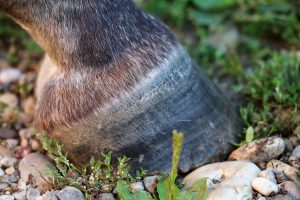
Closeup of Horse Hoof on Rocky Ground


Did You Know?

The hard exterior of your horse’s hoof is made of a durable protein called keratin.

That’s the same material that makes up your fingernails!


When to Shoe Your Horse

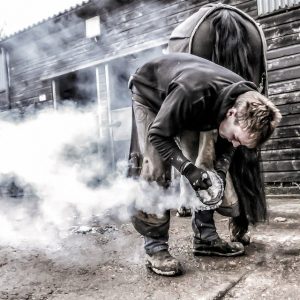
Farrier Shoeing a HorseFor horses wearing shoes, the RSPCA recommends: “shod horses need to re-shod every four to six weeks irrespective of whether they have worn the shoes out or not. Hooves grow continuously and when shod, the hoof cannot wear down as it can with an unshod horse.” 

According to the EquiMed website, “a general rule of thumb is this: if a horse’s hooves grow faster than they wear, they only need to be trimmed.


So, remember, when deciding to shoe or not shoe your horse, the decision should always be about what’s best for the horse. Always work with your regular vet and farrier to make the best-informed decision for your equine!


EquiGroomer Kits for Horses

Get started with our EquiGroomer Starter Kits for your Retail Pet Shop, Tack Shop or Barn today!
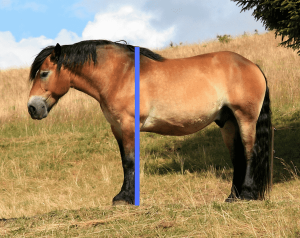
16-Piece Retail Pet Shop Kit

16-Piece Tack Shop Kit

For individual or bulk orders, call 860-573-0604 or click here to send us an email.


Whether you are experienced at grooming your dog or want to begin grooming your dog at home, the tips below will help create an easier experience for you and your dog!
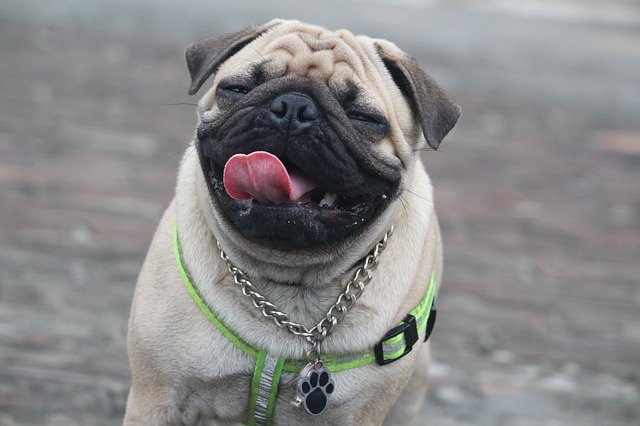
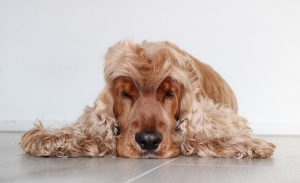
Groomed Cocker Spaniel Laying on FloorGrooming your dog involves everything from regular brushing, bathing to nail trims, ear and eyes cleaning, teeth brushing and even hair trimming and anal sac expression with some K9 breeds. Regular grooming not only helps your dog look and feel his best, it is also the perfect time to examine your dog for any potential issues with his coat, skin (like hot spots or lumps), teeth, eyes and ears and /or infections or inflammations.
Next, let’s look at some great tips when grooming your dog at home! What should you do – and not do – when dog grooming?


The New York Magazine offers tips and must-have grooming products!


Grooming Your Dog at Home: Know Your Dog

Not all dogs like to be groomed, so it is important to know your dog’s preferences and tolerance at being handled during grooming. If you have a puppy, begin grooming them at an early age to avoid issues later as they grow bigger and stronger!

DO start with short sessions over time so your dog learns to relax and enjoy being handled.

DO NOT do all the grooming (bathing, nail trims, teeth brushing, etc.) at one time.

DO use lots of patience, time AND confidence when grooming your dog! Dogs take their cues from us when it comes to them feeling comfortable and relaxed. 

DO NOT groom your dog if you are uncomfortable, stressed or pressed for time.

Brushing Your Dog

Before bathing – and in between baths – regular, deep brushing will help stimulate blood circulation in the skin, distribute natural oils throughout the coat and remove dirt, dead hair and dandruff. Regular brushing also keeps shedding under control. Always brush your dog just before bathing for the best results.

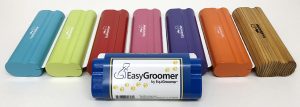
Our 5-inch EasyGroomer Shedding Brush makes easy work of brushing your dog before baths or in between! 

EasyGroomer Tools

DO brush your dog at least 3-4 times a week for a great coat and to also nurture your bond with your dog. Use an appropriate brush/comb for your dog’s specific coat texture and length.

DO NOT rush brushing your dog especially if there are any mats, tangles or burrs to avoid unnecessary pain to your dog.

Bathing Your Dog at Home

Regular bathing keeps your dog’s body clean and comfortable! Be sure to bathe him for his breed and coat. After shampooing, thoroughly rinse and dry your dog.

DO NOT wash your dog too often to avoid removing natural oils and causing the coat and skin to become unnaturally dry.

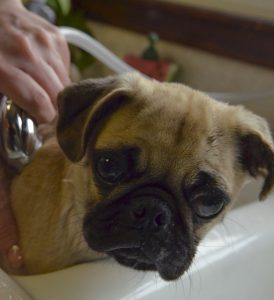
DO regularly bathe your dog with a mild dog shampoo with warm water in a warm room.

DO NOT wash your dog with human shampoo products! Only use products formulated for K9s with natural, gentle ingredients.  


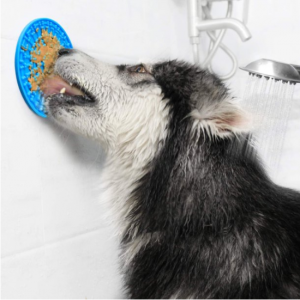
HINT:
Does your dog hate bathing? Distract him with a “lick mat” covered with peanut butter – or another favorite snack – that sticks to the wall!


Trimming Your Dog’s Nails

Nail trimming is one of the most difficult grooming tasks because so many dogs hate having their paws handled. That’s why it’s important to train puppies early.

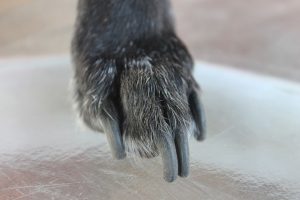
DO use lots of patience, praise and treats when trimming your dog’s nails.  If necessary, do just one or two nails at aLong nails on a black dog's paw time to encourage your dog’s comfort. 

DO NOT force your dog if they are nervous or fearful. 

DO use a professional for nail trimming if you are nervous or fearful.

DO NOT clip large pieces of the nail to avoid hitting the quick and creating pain for your dog. Just clip the tip more often.

Refer to the AKC’s website for more information on what to do – and not do – when grooming your dog at home.


Our WaterWisk makes bathing your dog so much easier by removing excess soap and water even on bony areas like your dog’s hips and legs!

Better yet, it’s on Sale Right Now!

For individual or bulk orders, call 860-573-0604 or click here to send us an email.


Image Credits (Shown in order of appearance)

Mat Coulton/Pixabay

Bianca van Kijk/Pixabay

Fabrizio 65/Pixabay

KaraSuva/Pixabay

Courtesy: Walmart.com

Nature Blossom/Pixabay

Courtesy: EquiGroomer.com

Refer a Friend

Refer a Friend