
It’s the annual winter horse coat blow-out. Barns everywhere are overwhelmed with old winter coat hair. Wild horses naturally lose their winter coats on their own timeline, but domesticated horses often need a little more help along the way. See how much of this is myth versus fact.
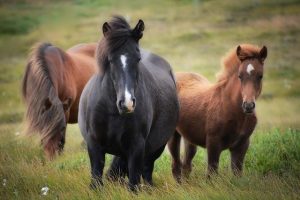
What Triggers a Horse’s Winter Coat to Shed?
If the answer seems obvious (warmer spring temperatures), think again. It’s the amount of daylight that triggers shedding: longer days signal the body to shed the winter coat, and shorter days trigger the coat to grow back in before winter. According to The Horse, increased body temperature from blanketing does not help a horse shed faster.
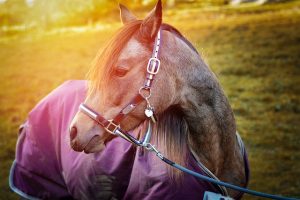
Can Fat Supplements Help a Horse’s Coat After Winter?
Absolutely! Especially after a cold, dry winter. According to The Horse Journals, fat supplements such as vegetable oil or stabilized rice bran are far more energy-dense than cereal grains and help improve skin and coat condition. Fat supplementation can also help reduce dandruff and flakiness.
Some horse owners swear by flax or black oil sunflower seeds for their oil content, though there’s no strong scientific evidence behind those specific claims.
Why Is a Horse Shedding Its Winter Coat So Slowly?
A few common reasons a horse might be shedding slower than its barn mates:
- 1Not enough regular grooming
- 2Not enough exercise
- 3Too much time in the barn and away from natural light
- 4Additional nutrition may be needed
- 5A potential underlying condition like Cushing’s, or PPID. Work with a vet to get bloodwork done!
If grooming frequency is the gap, see proper technique on a horse working through a full winter coat.
For a closer look at shedding timelines, see how long it typically takes to deshed a horse.
Myth: Never Clip a Horse’s Winter Coat
Not true. According to Pro Equine Grooms, a horse that’s uncomfortable in its winter coat once temperatures warm up can be clipped. For horses that just need help along with natural shedding rather than a full clip, a shedding blade and a deshedding tool serve different purposes, which are worth knowing before reaching for either.
Feeding Older Hay? A Horse May Need This Nutrient
Vitamins and minerals like Vitamin E, biotin, silicon, zinc, and copper, which VetLineEquine.com notes can often be missing from older or store-bought hay, can help improve coat condition.
Did You Know? Shedding by smaller companion animals (cats and dogs) creates a different issue: hairballs. Dogs can get them too. Daily grooming, along with increased fiber and water intake, helps both cats and dogs avoid them.
Myth: A Horse’s Coat Condition Says Nothing About Overall Health
Also not true. Coat condition isn’t the sole indicator of a horse’s health, but it is an important marker. HorseIllustrated.com outlines potential causes of a lackluster coat, including nutrition, stress, endocrine issues, and even worms, along with suggested remedies.
Not sure which tool fits a horse’s coat and shedding needs? Take the quick sizing quiz or browse EquiGroomer tools built for horses.