

Dog walking during the winter months comes with different grooming challenges. From dry skin to embedded dirt, burrs, and salt, these seasonal issues deserve a little extra attention.
Dogs Still Need Walks in Winter
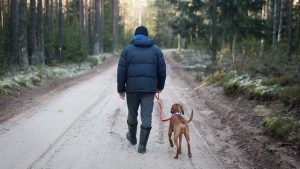
Dogs Still Need Walks in Winter
Shorter walks still matter in cold weather
Despite freezing temperatures, slippery conditions, and cold winds, dogs still need regular activity, even if walks run shorter. Physical activity helps dogs stay happy and clear of the health issues tied to canine obesity. Winter also creates its own set of grooming needs.
Winter Grooming Essentials
Sticking to a regular grooming routine through the winter months keeps skin and fur healthy and protected. Colder weather often stimulates more coat growth from time spent both indoors near heat and outdoors in cold air. This makes thorough grooming just as important now as it is in warmer months.
“There’s a common misconception that dogs don’t need to be groomed, or only groomed minimally, over the winter months. Grooming over the winter months becomes even more important to the health of your dog than at any other time of the year. Long, wet, matted hair easily makes a cold, wet, and infection-susceptible dog.” — Alyssa Hill, DogTown Groomer, Best Friends Animal Society
Proper Grooming Addresses Winter Dry Skin
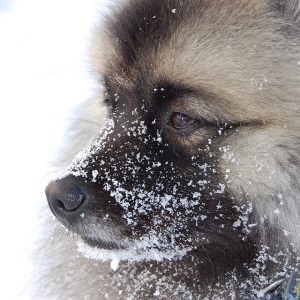
Cold, Dry Air Contributes to Dry Skin in Dogs
Winter air dries out a dog's skin and coat
Cold, dry outside air worsens dry, chafed, itchy skin, and home heating adds to the problem by drying out the skin further. Regular brushing stimulates and distributes natural oils through the coat, keeping it conditioned and moisturized, while helping a dog stay comfortable and regulate temperature. Brushing also removes dead and shedding hair, which reduces matting. Mats compromise a coat’s natural insulating ability.
Dogs Naturally covers additional cold-weather care tips worth reviewing.
Yes, a Winter Bath Is Fine
A warm bath after a walk can be a good way to close things out, as long as a few common-sense rules are followed:
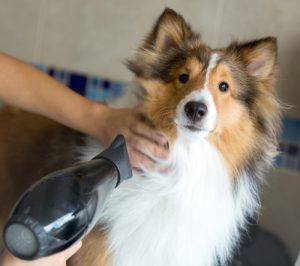
A Blow Dryer Helps Fully Dry a Thick Winter Coat
A mild-setting blow dryer helps thick coats dry fully
A gentle massage with a dog-friendly moisturizer helps further address dry, flaky skin, and doubles as a relaxing way to bond during grooming time.
A Gentle Massage Helps Winter Dry Skin
A massage doubles as bonding and skin care
Save Time and Mess with the WaterWisk
Adding the WaterWisk to a winter grooming kit makes removing excess soap and water from a dog’s coat quick and easy, including on bony areas like hips and legs.
A regular brushing routine with the EasyGroomer keeps a dog’s coat healthy and comfortable all winter long.