
From January 21 until 24, International Hoof Care Week focuses on proactive hoof care education.
The Importance of Good Hoof Health and Care
International Hoof Care Week advocates regular and proactive hoof care to sidestep painful consequences. Consequences include but are not limited to:
- Toe injuries
- Discomfort while standing
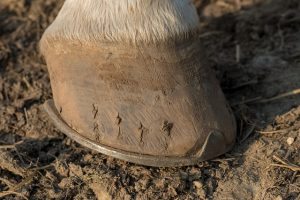
- Cracks in the hoof and hoof wall
- Sore and tender feet, foot diseases and infections
- Thrush during the winter (from standing in mud and snow)
- White line disease or seedy toe (caused by a keratin-digesting fungi)
- Laminitis/founder (AKA road or grass founder); lameness from hoof pressure and pain caused by overfeeding
- Soft tissue injuries including abscesses (from bacteria and fungi)
It’s important for the horse owner to be able to recognize hoof issues requiring professional attention. For more help on Common Hoof Problems and Solutions, click here for a Quick Guide. Keep reading to learn why healthy hooves contribute to an overall healthy horse.
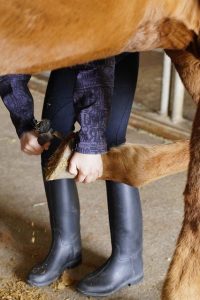 Healthy Horses Have Healthy Hooves
Strong, solid and healthy hooves are the foundation of a healthy horse. It’s vital to proactively protect and strengthen the equine hooves year-round. This helps avoid additional health issues, discomfort and pain for a horse.
Weak hooves can be an outcome of one of more of these 4 issues:
- Bad genes.
- An inherited or congenital issue.
- A nutritional imbalance.
- Unhygienic living conditions.
Proactive Hoof Care Basics
Prevention is always better when it comes to any kind of health care for the animals in our lives. Responsible hoof care involves five critical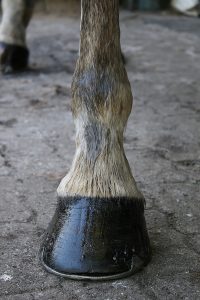 areas:
- A nutritious diet with high-quality forage and grain.
- Appropriate nutrient supplements as recommended by your vet or farrier.
- Regular hoof moisturizing and conditioning to support/replace the outer layers of keratin for strong hooves.
- Regular trimming and/or shoeing.
- A clean and sanitary living environment.
“Sometimes, even with the best care, bacteria can work its way into the hoof and cause problems. Immediate farrier and veterinary attention can quickly resolve most issues, but the key is to prevent these conditions from developing.” (The American Farriers Journal)
Natural Equine Hoof Care
There are a variety of natural remedies that can proactively help protect and address common hoog issues. Always work with your veterinarian for a correct diagnosis before trying any new treatment.
- Omega-3 Oil and Vitamins A and D
- When used together, they actively promote tissue repair and the growth of healthy hooves.
- Birch Bark Extract
- Used for centuries in veterinarian (and human) medicine with anti-microbial and anti-inflammatory properties. The naturally pain-relieving component is called betulin (it gives the birch bark its white color) and provides relief for a variety of hoof ailments.
- Biotin Supplements
- Promotes good hoof growth and overall health.
- Promotes good hoof growth and overall health.
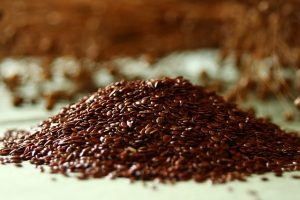
- Linseed Mash
- Helpful with thrush, a soft mash poultice made from boiling linseeds (also known as flaxseeds). Spread the warm poultice over the hoof and wrap.
- Absorbine Veterinary Liniment
- A blend of natural herbs and essential oils. Helps prevent, soothe and treat common hoof fungal and bacterial conditions (including thrush and white line disease).
- Apple Cider Vinegar
- Use as a soak for thrush and abscesses. Use ¼ cup of vinegar to a gallon of warm water.
- Epsom Salts
- Draws out infection in a horse’s foot. Use 2 cups per gallon of warm water. Soak the infected hoof twice daily for approximately 20-30 minutes or until the abscess begins to drain.
To learn more other DIY home remedies, click here to read Home Remedies for Hooves.
Follow what’s happening during International Hoof Care Week by using the hashtag, #InternationalHoofCareWeek on social media!

Want to stay current with the latest in equine hoof care? Click here to subscribe to the American Farriers Journal’s Hoof-Care Advisor Daily.
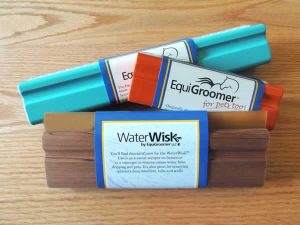
The Equine Grooming Tools You Can’t Live Without!
Make bathing and grooming easier with the 3-Piece Grooming Set for your horse!
The EquiGroomer WaterWisk is both effective and safe at removing water from even on bony areas like hips and legs. Made from cedar which is naturally water-resistant and mold-resistant.
Additional Reading:
Protect, Prevent and Strengthen with Hoof Doctor
The Equine Podiatry Association
American Association of Equine Practitioners
Make Your Own Horse Care Remedies
Image Credits:
Image by stepinstyle from Pixabay
Image by Henryk Niestrój from Pixabay
Image by DonnaSenzaFiato from Pixabay
Image by alexdante from Pixabay
Product Image: Courtesy of EquiGroomer