

With freezing temperatures and dry winter air, the air inside homes becomes even drier. That means winter challenges for pets.
If there’s one thing humans can commiserate with their pets about, it’s dry winter air. With seasonally low humidity and constant heating, even people are challenged with dry, flaky skin, respiratory issues like bronchitis, dried-out sinuses, and sudden nosebleeds.
Imagine how a pet feels.
Winter Issues for Pets
Dry winter air and even drier indoor air cause real challenges to a pet’s overall health, including:
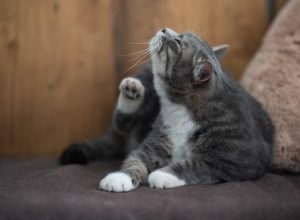
To help address the challenges from dry winter air, use a humidifier to put moisture back into the home. To avoid buying an expensive humidifier, try water-filled vases on windowsills exposed to sunlight, boil a tea kettle on the stovetop, or place metal or ceramic bowls of water on heat radiators or registers.
Reduce static electricity by dusting with a non-static dryer sheet and wiping down furniture.
Keep reading to learn other effective remedies to help keep pets comfortable despite the dry winter air.
Dry Winter Air: Canines
Even with the extra protection of their fur coat, canines are still challenged by dry winter air, and the effects on their skin can be exacerbated by regularly going in and outdoors.
“Excessively dry skin on your dog will manifest itself in ways you might expect, such as dandruff-like flaking and brittle hair. But excessive scaling … could be a sign of a bacterial skin infection, which requires veterinary attention for treatment.” – Dr. Nicole A. Heinrich, Veterinarian, McKeever Dermatology Clinics
Remedies:
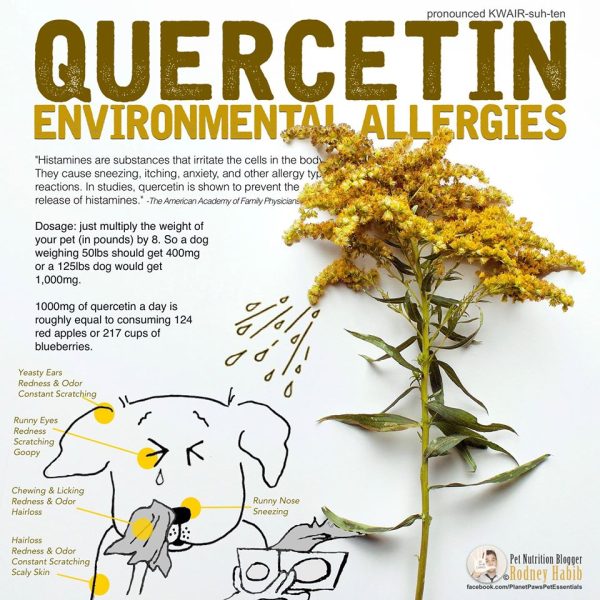
For mild, seasonal allergies like dust mites, human dander, cotton, wool, and mold, antihistamines can be sparingly used (like Benadryl), but the natural alternative, Quercetin or Quercetin Bromelain, is much safer for dogs. Quercetin is part of a group of natural, water-soluble plant pigments called flavonoids. (Long-term use of OTC products like Benadryl, specifically the ingredient diphenhydramine, may cause dementia in dogs and humans.)
Dry Winter Air: Felines
Just like their canine friends, cats are just as susceptible to winter dryness. Excessive itchiness and scratching can lead to unwanted infections and wounds. Below are some remedies to keep a cat’s skin well-conditioned.
Remedies:
With proactive care, the right remedies, and veterinary guidance, pets and their owners can comfortably enjoy the winter season.
Why Brushing Matters More in Winter
Both remedy lists above include the same recommendation: increased brushing. This is not incidental advice. Brushing physically redistributes the skin’s natural oils across the coat, which is exactly what dry winter skin needs and exactly what a humidifier or topical moisturizer cannot do on its own.
Indoor heating dries out the air, and the coat dries out with it. Dead hair and dander build up faster in winter because pets spend more time indoors and shed less efficiently in dry conditions. That buildup traps moisture against the skin in some areas and strips it in others, which is part of what creates the itching and flaking described above. Regular brushing breaks that cycle by removing the dead hair and dander before it accumulates, while distributing the natural oils that keep the skin underneath conditioned.
This is also where winter air quality intersects with brushing. Built-up dander, dead hair, and pet allergens circulate more in a closed-up house during winter months, which can affect both pet and human comfort. Consistent grooming reduces that buildup at the source rather than only managing it after the fact.
The EquiGroomer and EasyGroomer are built to do exactly what the remedies above call for: distribute natural oils and remove loose, dead hair efficiently without irritating already-sensitive winter skin. The micro-barbed blade lifts dead coat in the direction of growth, which means less static buildup from over-brushing with the wrong tool and a calmer experience for pets whose skin is already more reactive in winter. A few minutes of brushing two to three times a week during the driest months does more for coat and skin condition than any single remedy on its own.