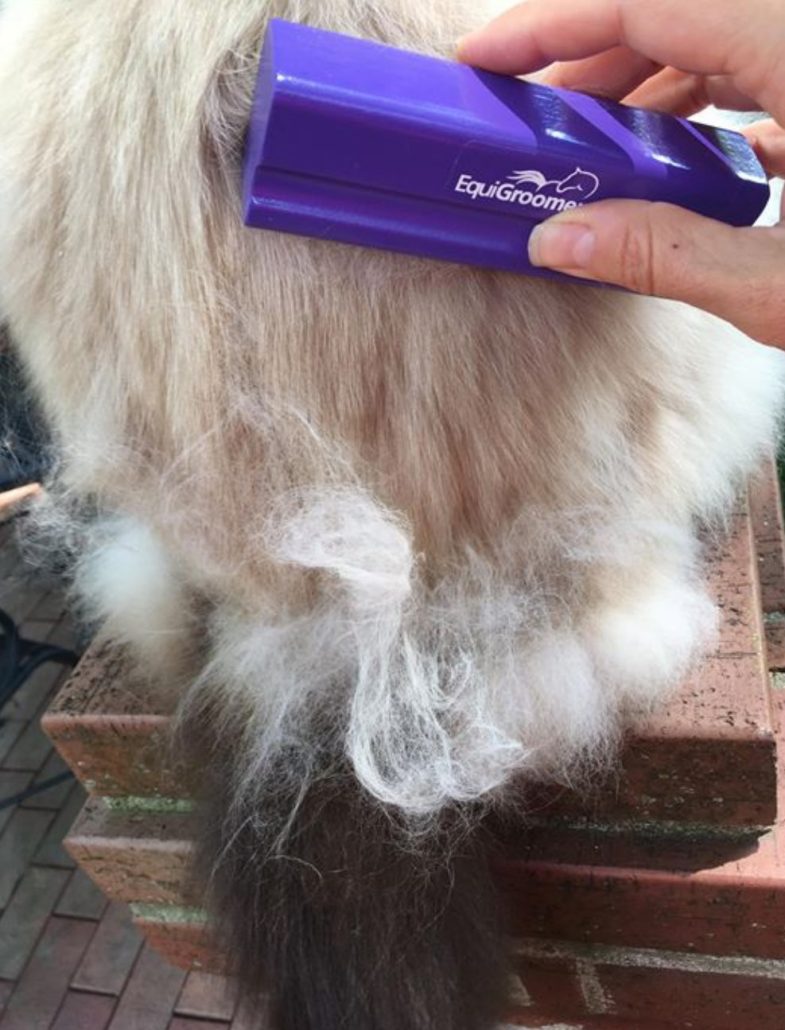
Horses have been our companions, workers, and partners for centuries. Across the globe, various breeds have captured the hearts of equestrians and enthusiasts with their unique characteristics and history.

Let’s embark on a journey through seven of the most popular equine breeds below starting with one of the oldest breeds on Earth, the Arabian.

(Disclaimer: This list may not include all the “popular” horse breeds. Popularity is as diverse as the people who love them!)
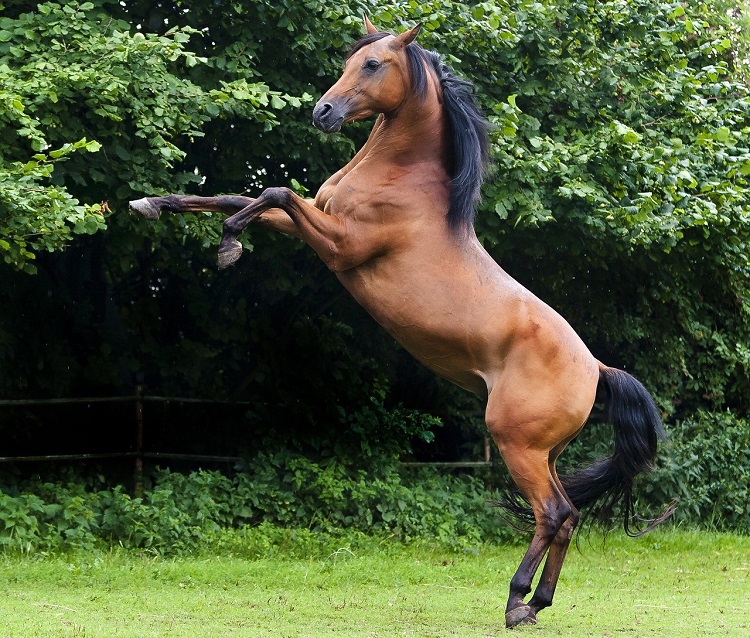

Arabian

The Arabian horse is one of the oldest and most influential breeds in the world, dating back thousands of years. Originating from the Arabian Peninsula, these horses are known for their distinctive dished face, arched neck, and high tail carriage. Revered for their endurance and intelligence, Arabians excel in endurance riding and are prized as show horses. (Source: Arabian Horse Association)
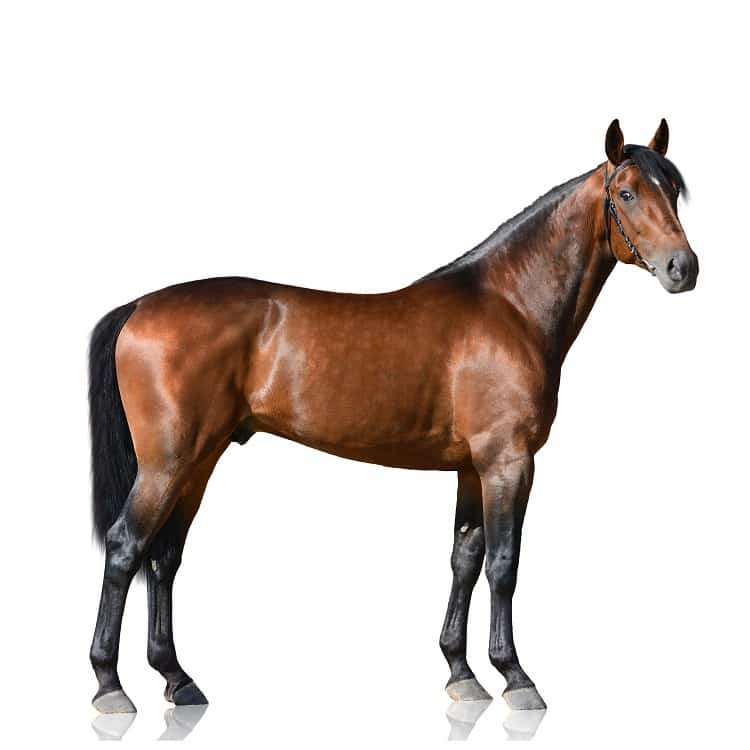

A side view of a Thoroughbred Horse
A Thoroughbred Horse (Image: AnimalLife.co.uk)

Thoroughbred

Originating in England in the 17th century, Thoroughbreds are renowned for their speed and agility. Primarily bred for racing, these elegant horses possess a lean build, long legs, and a spirited temperament. With their lineage traced back to three founding sires, the Thoroughbred’s athleticism has made it a dominant force in the world of horse racing. (Source: Thoroughbred Horsemen’s Association)

Fun Fact: did you know that the name “Thoroughbred” came after breeders believed the breed had been “thoroughly bred!”
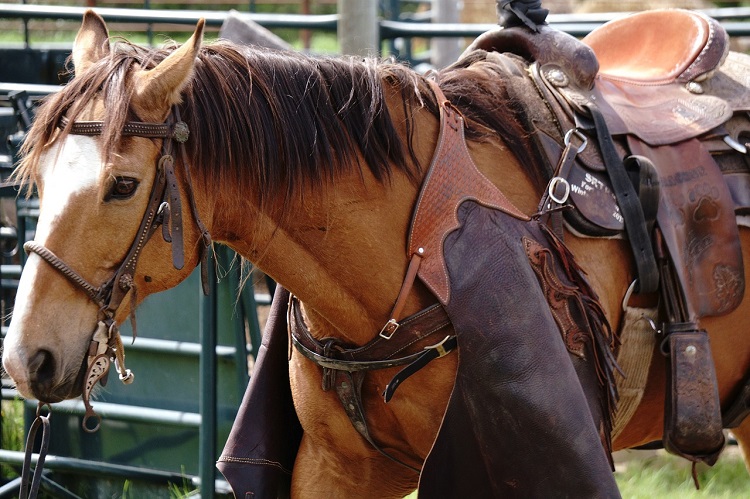

A closeup of a saddled Quarter Horse
Quarter Horse (Image: Vanessa Pike/Pixabay)

Quarter Horse

Hailing from the United States, the Quarter Horse is celebrated for its versatility and strength. Named for its prowess in quarter-mile races, this breed excels in various disciplines, including barrel racing, reining, and ranch work. With a compact build and powerful hindquarters, Quarter Horses are prized for their agility and gentle disposition. (Source: American Quarter Horse Association)
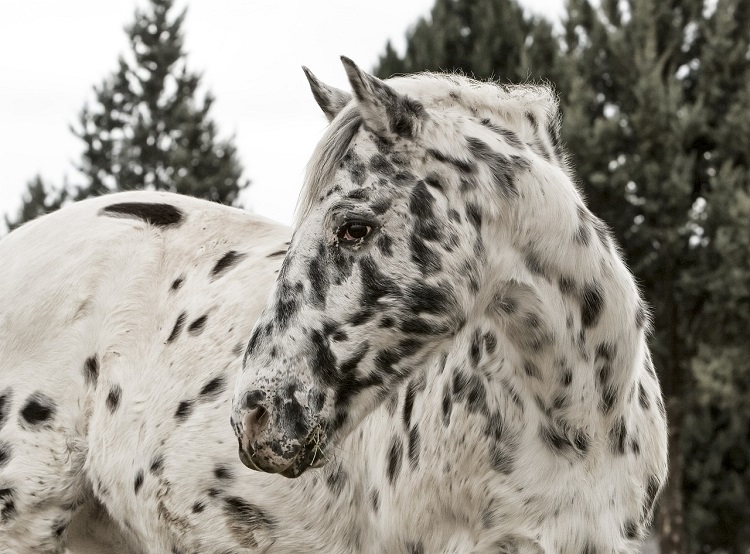

A beautiful white and black Appaloosa Horse
An Appaloosa Horse (Courtesy: Image: SorcerySoap HocusPocus/Pixabay

Appaloosa

Once bred by the Nez Perce tribe, the Appaloosa has colorful coat patterns and spotted skin. Valued for versatility, speed, agility and overall stamina, the Appaloosa excels in both Western and English disciplines, as well as in the show ring and on the trail. (Source: Appaloosa Horse Club)
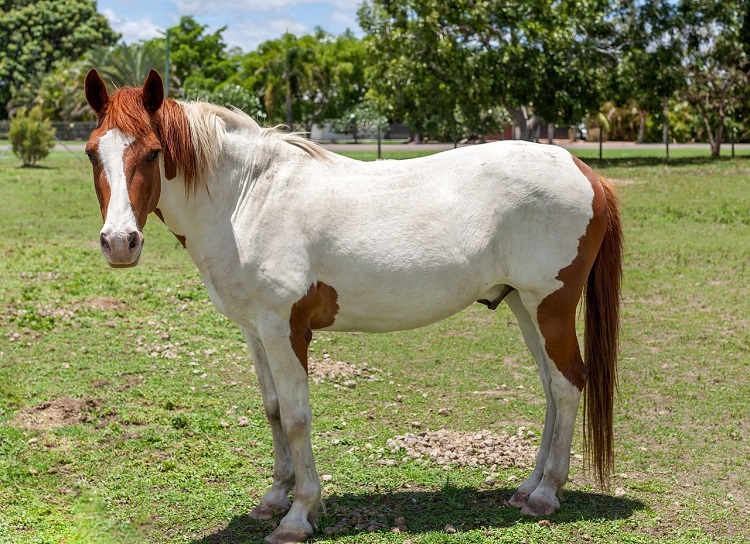

An image of a Painted Horse with brown and white standing in a pasture
Paint Horse (Image: Robert Waghorn/Pixabay)

Paint Horse

A favorite among western riders, the Paint Horse has distinctive coat patterns, characterized by large patches of white and any other color. Originally descended from spotted horses brought to the Americas by Spanish explorers, Paint Horses are versatile athletes, competing in disciplines such as barrel racing, cutting, and pleasure riding. (Source: Paint Horse Association)


Looking for a healthy homemade treat for your horse? With just 20 minutes and 7 ingredients, you can make this easy horse treat courtesy of Mama on the Homestead!
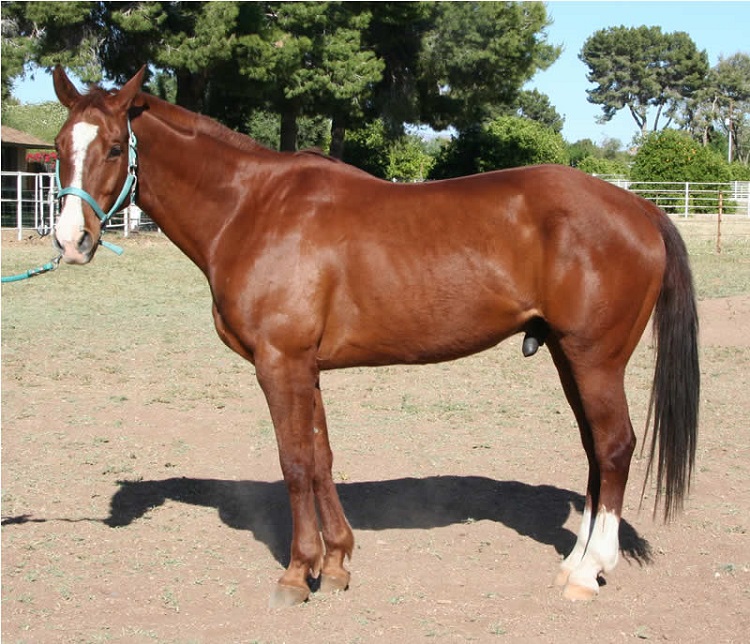


A beautiful Appendix Horse standing in a paddock
An Appendix Quarter Horse (Image: HorseBreedsPictures.com)

Appendix

Another popular equine breed is the Appendix. No, we’re not talking about the body part, but another very popular and versatile horse breed! The equine Appendix is a cross between a Quarter Horse and a Thoroughbred. Their popularity comes from combining the energy and temperament of the Thoroughbred and the incredible speed and agility of the Quarter Horse. (Source: Horse Illustrated)


A Group of Morgan Horses standing in fenced pasture
Morgan Horses (Image: American Morgan Horse Association)

Morgan

With roots tracing back to the United States, the Morgan is one of the oldest horse breeds in America. Known for its compact build, refined head, and proud carriage, the Morgan is a versatile breed excelling in driving, riding, and ranch work. Due to their loyal and affectionate nature, they make excellent family horses and performers in various disciplines. (Source: American Morgan Horse Association)

In Conclusion

The world of horses (and the popular equine breeds) is as diverse as the people who love them! Each breed brings its unique charm, personality, and capabilities. Whether it’s the speed of the Thoroughbred, the Quarter Horse’s versatility, or the Arabian’s elegance, there’s a breed to suit every rider!


Official Logo of EquiGroomer
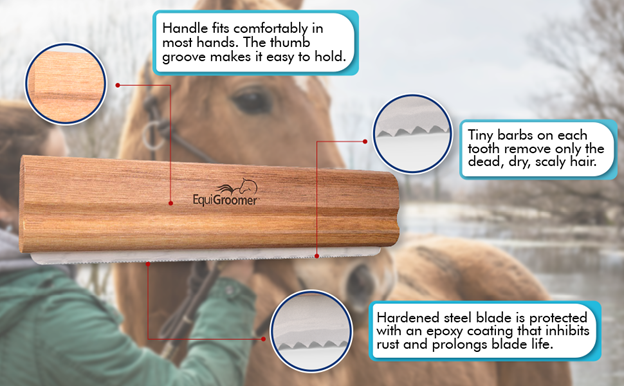
Image of the wooden WaterWisk Grooming Tool for Horse Bathing
The WaterWisk Horse Sweat Scraper (Courtesy: EquiGroomer.com)

No matter your choice of horse breed,
it’s important to have the best grooming tools to keep your horse in tip-top shape!

Make bathing your horse easier with our 7-inch WaterWisk Equine Sweat Scraper!

Questions about our EasyGroomer Tools?

Call us at 860-573-0604 or email us at EquiGroomer.com
to give your horses, dogs, or cats the BEST grooming experience!

Do hypoallergenic cats truly exist?

For many cat lovers, allergies can pose a significant barrier to enjoying the companionship of a furry feline friend. But what about hypoallergenic cats; feline breeds supposedly less likely to trigger allergic reactions in humans?

Let’s delve into the science before you adopt a “hypoallergenic cat” below.

Cat Allergies: The Culprit

When it comes to cat allergies, they are primarily triggered by a protein called Fel d 1, found in the cat’s saliva, anal glands, sebaceous (oil) glands in their skin, fur, and to a lesser extent, urine. (Source: AACIjournal.BiomedCentral.com.)

It is this protein that causes the following allergic reactions in people:

  • Sneezing.
  • Nasal congestion.
  • Watery eyes.
  • Severe respiratory issues (including asthma) in highly-sensitive individuals.
  • Atopic dermatitis or eczema.
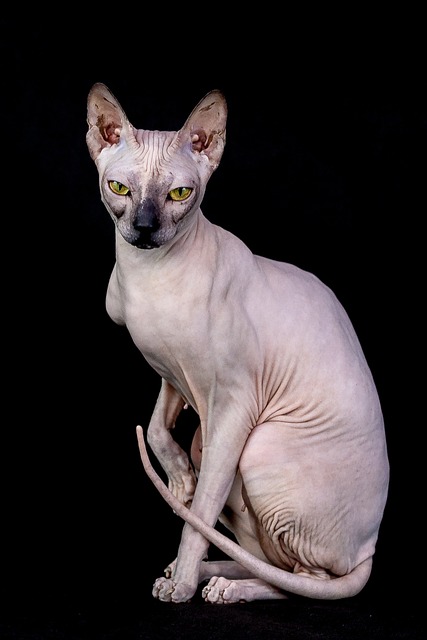
Sitting Sphynx Cat Against a Black background
The Sphynx is Not Hypoallergenic, (Image by Юрий Сидоренко from Pixabay)

Hypoallergenic Cats?

Proponents of hypoallergenic cats often suggest certain breeds as being “less allergenic” due to shorter hair, less hair shedding, less dander, and less saliva from licking. (Source: Webmd.com)

These breeds supposedly include the:

  • Balinese.
  • Cornish Rex.
  • Devon Rex.
  • Javanese.
  • Oriental Shorthair.
  • Siamese.
  • Siberian.
  • Sphynx and more.

A study published in the Journal of Allergy and Clinical Immunology
found no significant difference in the levels of Fel d 1 allergen
between hypoallergenic and non-hypoallergenic cat breeds.


Some breeders claim to produce hypoallergenic cats through selective breeding programs aimed at reducing Fel d 1 production. While these efforts may result in cats with slightly lower allergen levels, complete elimination of allergenic proteins is unlikely. Additionally, the genetic complexity of Fel d 1 production makes it challenging to guarantee hypoallergenic traits in the offspring.

Scientific evidence to support these claims remains limited and suggests the designation of “hypoallergenic” may be more anecdotal (based on hearsay or wishful thinking) than scientific validation. At best, some feline breeds may cause less severe allergic reactions depending upon the individual and situation.


Cat Allergies: It Just Might Be YOU!

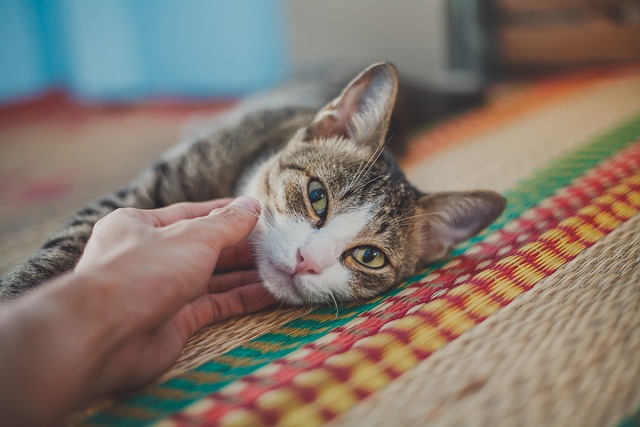
A cat with green eyes laying on a rug while being petted under the chin
Allergic Reactions Depend on Individuals (Image by Юрий Сидоренко from Pixabay)

Individual variation in allergic reactions plays a significant role. What may trigger a reaction in one person might not affect another to the same degree. Specific factors influence the severity of allergic reactions. (Source: ACAAI.org)

These factors include:

  • The level of exposure.
  • The frequency of cat grooming.
  • Even the cat’s diet.

Another consideration is that allergies can develop over time, even in individuals who have previously been tolerant of cats. This makes it difficult to predict whether a supposedly hypoallergenic cat will remain suitable for allergy sufferers in the long-term.

Minimizing Feline Allergies: 5 Options

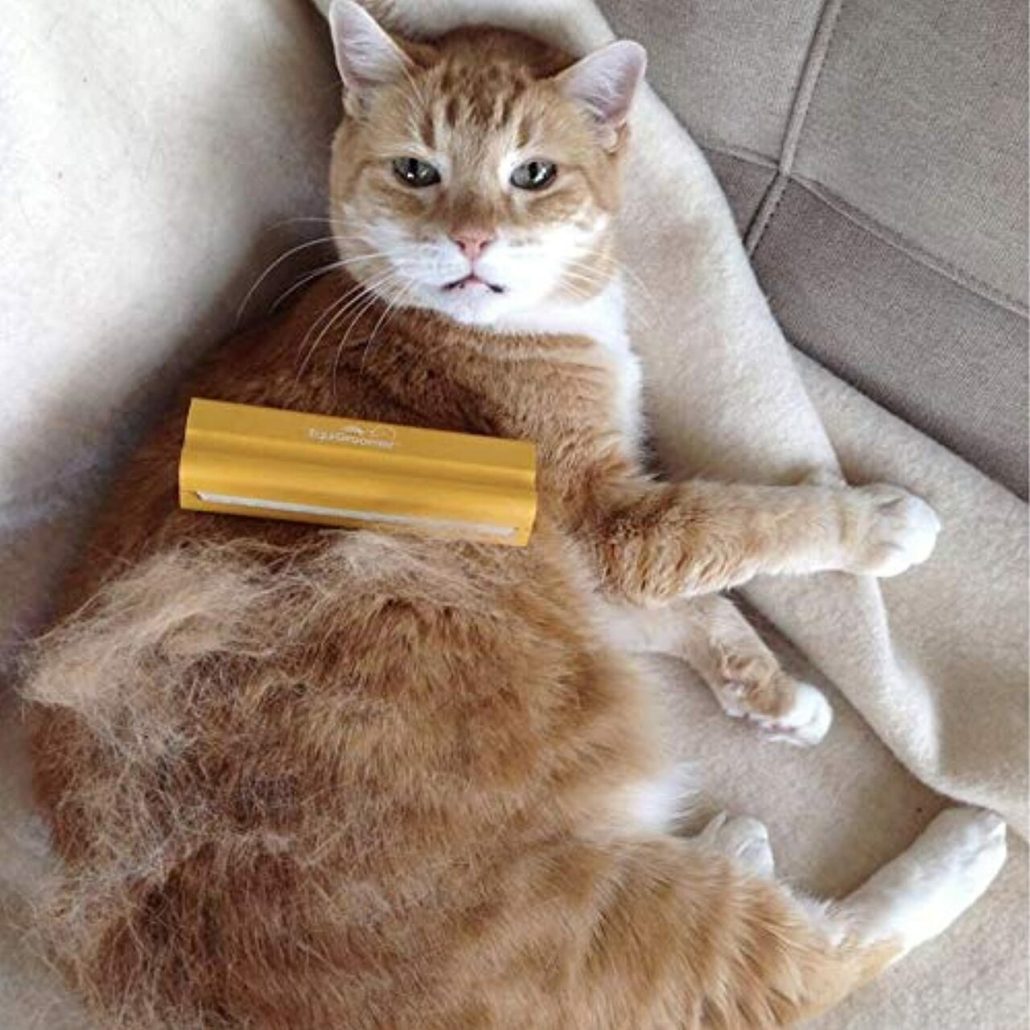
Tabby Cat Laying on a Couch being groomed with an EasyGroomer tool
Regular Grooming Can Help Minimize Cat Allergies (Image: EquiGroomer.com)

Despite these challenges, there are steps that allergy sufferers can try to minimize their exposure to cat allergens like the five options below.

  • Regular grooming of the cat with a grooming tool like the EquiGroomer that mimics the cat’s tongue.
  • Regular bathing.
  • Using high-efficiency particulate air (HEPA) filters in the home.
  • Maintaining a clean environment to help reduce allergen levels.
  • Some allergy medications and immunotherapy treatments may also provide relief for individuals with cat allergies.

In Conclusion: Hypoallergenic Cats

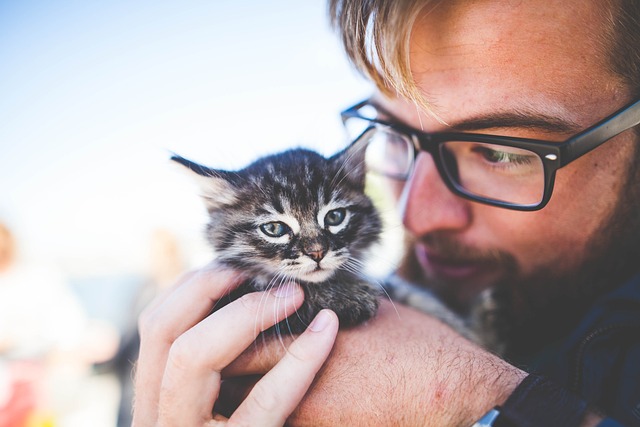
A man wearing glasses holding a tiny black and white kitten
Carefully Consider Adopting a Cat Especially with Allergies (Image by Pexels from Pixabay)

While the concept of hypoallergenic cats may offer hope to allergy sufferers, the scientific evidence supporting their existence remains inconclusive. Allergic reactions are complex and multifactorial, influenced by individual sensitivity as well as environmental and genetic factors. (Source: PetMD.com)

Rather than relying on breed labels, prospective cat owners should consider their allergy history and tolerance levels when choosing a cat. Ultimately, the decision to bring a cat into the home should be made thoughtfully, with full awareness of the potential allergic reactions and overall benefits for the owner and cat.


Not all cats like to be brushed.

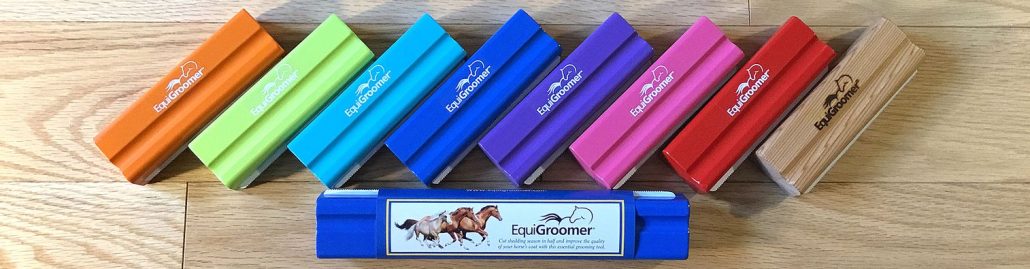
Six EasyGroomer Tools
The EasyGroomer Tool

It’s important to understand your cat’s preferences and introduce brushing slowly into their routine. It’s also critical to use the best grooming tool to provide a pleasant and relaxing experience for both you and your cat!

Cats LOVE our EasyGroomer simply because the blade gently mimics a cat’s tongue! The EasyGroomer will produce a soft, shiny, and smooth coat for your cat.

Questions about our EasyGroomer Tools?
Call us at 860-573-0604 or email us at EquiGroomer.com
to give your cats, dogs, or other small pets the BEST
grooming experience!


The term “bitch” carries a weighty history, both linguistically and culturally. Often used as a colloquial term to refer to a female dog (and female wolf, fox and otter!), its usage can also evoke strong reactions and opinions when this derogatory word is directed at something other than a female dog. Originally, this vulgar insult was used to compare a woman to a dog in heat because of her shameful, improper, violent or even promiscuous behavior. It has also been used towards men.

But why is a non-spayed, female dog referred to as a “bitch?” In this brand-new blog post below, we’ll delve into three key reasons behind this terminology.

1. Etymology and Linguistic Evolution

The word “bitch” has a long origin and historical journey. Its origins can be traced back to Old English, where it was used to refer to a female dog. According to the Oxford English Dictionary, the Old English word “bicce” or “bicge” (dating back to approximately 1000 CE) eventually evolved into “bitch” in Middle English and retained its meaning of a female dog. However, over time, the term broadened in its application to refer to a female of various species, including humans. History indicates it may have been originally derived from the Old Norse word (i.e., the Vikings), “bikkja” also meaning “female dog.”

Interestingly, the word “bitch” wasn’t always associated exclusively with female dogs. In Middle English, it was used to describe both male and female dogs. However, as the English language developed, “bitch” became predominantly associated with female canines, while terms like “dog” or “hund” were used for male dogs. (Source: VetHelpDirect.com)

2. Cultural and Societal Perceptions

Image by JackieLou DL from Pixabay.com

The usage of “bitch” to describe a female dog reflects broader societal attitudes towards gender and sexuality. Historically, dogs, particularly female ones, were often associated with specific qualities such as:

  • Nurturing.
  • Loyalty, and
  • Protectiveness.

3. Standardization in Animal Terminology

In the realm of animal husbandry, veterinary medicine, and breeding, standardized terminology is essential for clear communication. Despite its colloquial and sometimes negative connotations, “bitch” has been adopted as the standard term to refer to female dogs in professional settings. (Source: BasePaws.com)

This standardization facilitates clarity and precision in discussions related to canine health, reproduction, and genetics. While alternative terms like “female dog” or “dam” also exist, “bitch” remains widely recognized and used within professional circles.

Female Dog: Alternative Terminology

Image by Anja Kiefer from Pixabay.com

Due to this often-controversial term, alternative terminology has been created to refer to the female dog without using the offensive term bitch like these more “respectable” terms.

  • Female Dog.
  • Lady Dog.
  • Queen.
  • Dame.
  • Fido-ess.

In Conclusion

The term “bitch” carries a complex history and significance even in its application to female dogs. Its evolution from Old English roots, coupled with cultural and societal perceptions, has shaped its current usage.

While the term may carry negative connotations in some contexts, it remains a standard part of animal terminology. Understanding the origins and implications of this term provides valuable insight into the intricacies of language and society. As language evolves, it’s essential to approach such terms with awareness and sensitivity, recognizing their historical context and impact.


Logo Courtesy of EquiGroomer.com

No matter what you call your female dog, always keep them happy with plenty of grooming and healthy treats like this easy dog treat from DamnDelicious.net with spinach, carrot and zucchini, guaranteed to have your dog begging for more!

Equigroomer EasyGroomer and WaterWisk Tools
Images Courtesy: Equigroomer.com

Keep your dog’s coat shiny and healthy with our easy-to-use EasyGroomer and WaterWisk products! Homemade treats and comfortable grooming tools create a wonderful opportunity to bond with your best friend!

Questions about our top-rated Grooming or Bathing Tools,
Grooming Kits, Brush Sets or Starter Kits for your business?
Call us at 860-573-0604 or email us at EquiGroomer.com today!


Houseplants bring life and beauty inside, clean the air and boost our spirits!
But did you know over 700 plants (indoor and outdoor) are considered
toxic to dogs and cats? In the blog post below, we’ll take a
closer look at which toxic plants you need to avoid having
in your home with a cat, dog or rabbit.

Even some of the most popular houseplants are toxic to your cat and dog. Sometimes, even brushing against the plant or getting the juices on the skin can create itchiness, rashes and more.

Next, let’s look at 39 common, but toxic houseplants if you have pets.

Avoid these Toxic Plants in Your Home

Baby’s Breath Flowers
  • Aloe Vera (the gel is considered edible and safe for topical use)
  • Arrow-Head Vine
  • Asparagus Fern
  • Autumn Crocus
  • Azalea
  • Baby’s Breath and Ivy
  • Begonia
  • Chrysanthemum
  • Crocus
  • Cyclamen
  • Daisy
  • Dracaena (including Corn Plant, Dragon Tree, Money Tree and Lucky Bamboo)
Jade Plant
  • Elephant’s Ear (aka Caladium, Alocasia or Angel’s Wing)
  • English Ivy
  • Flowers with bulbs (including the Daffodil, Narcissus, Amaryllis, Hyacinth and Tulip)
  • Foxglove
  • Geranium
  • Holly (including the American, English, Japanese and Christmas)
  • Hops
  • Hydrangeas
  • Iris
  • Ivy (vine)
  • Jade Plant
  • Lilies (including Asian, Easter, Calla, Day, Japanese Show, Lily of the Valley, Peruvian and Tiger)
  • Marijuana
  • Mistletoe
  • Oleander
  • Peace Lily (not a true member of the Lily family)
  • Peony
  • Philodendron and its close relation the Dieffenbachia (aka Dumb Cane)
  • Pothos (aka Devil’s Ivy)
A red Yew Bush or Tree
The Red Yew Bush/Tree
  • Rhododendron
  • Rhubarb
  • Rubber Tree
  • Sago and Cardboard Palm
  • Shamrock
  • Snake Plant (aka mother-in-law’s tongue)
  • Spider Plant
  • Yew tree/shrub


NOTE: For many years, poinsettias have been vilified as “toxic” to pets. But any adverse reactions are usually low-level and do not require medical treatment


AKC: Trees that are Poisonous to Dogs


Signs of Illness: Dogs and Cats

Since pets often get into trouble when we’re not looking, it’s important to know what symptoms may indicate potential poisoning especially if you have any toxic plants in your home or garden.

Look for these signs:

  • Lethargy
  • Drooling and hypersalivation
  • Seizures and tremors
  • Irregular heartbeat
  • Blood pressure spikes
  • Loss of appetite
  • Nausea, vomiting, diarrhea, abdominal pain and irritation
  • Swelling of the mouth, throat and tongue
  • Breathing difficulties
  • Itchiness
  • Black, tar-like stool
  • Renal failure

If you see your pet display any of these symptoms, call your vet immediately for medical assistance. You can also call:

  • Animal Poison Control at 888-426-4435 (a consultation fee may apply) or the
  • Pet Poison Helpline at 855-764-7661 (a $75 fee applies).

How to Identify Toxic Houseplants

Unless you are a professional horticulturist, it can be difficult, if not almost impossible, to know which plants pose a serious risk to your pets.

The ASPCA Logo

Fortunately, the ASPCA has developed extensive and illustrated lists on their website to correctly identify both toxic and non-toxic plants for dogs, cats and horses! You can search by the pet, by scientific name or by the commonly known name of the plant.

Apps can also help identify toxic plants right on your smartphone. Just go to your favorite app store and type in “apps for toxic plants for pets.”


NOTE: Some of these plants listed in this blog post can also make humans and small children sick! Always do your homework before bringing home new plants to proactively protect your family and family pets.


Pet-Friendly Houseplants for Indoors


EquiGroomer Grooming Tools

The Grooming Tools from EquiGroomer

The simple design and unique blade are designed to gently
snag scaly, dead, shedding hair from the ends so there’s no pulling
on the skin or harm to the topcoat.

Gentle ~ Comfortable ~ Pain-free

We guarantee your cat, dog, horse and other pets
will LOVE the EquiGroomer!

For individual or bulk orders, call 860-573-0604
Or send us an email.


The Holiday Season is here! Before your frisky feline gets into trouble, learn how to cat-proof your home for the holidays with these 5 tips!

Cat-Proofing Tip 1: Christmas Trees

Cats can get into most places so it’s very challenging to protect your holiday decorations with feline roommates! But there are things you can do.

Cat Deterrents

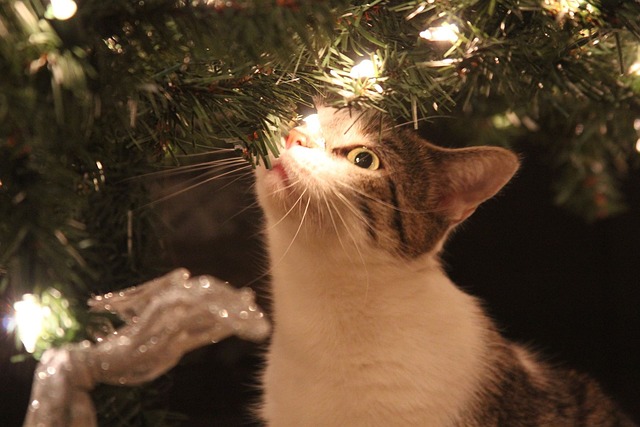
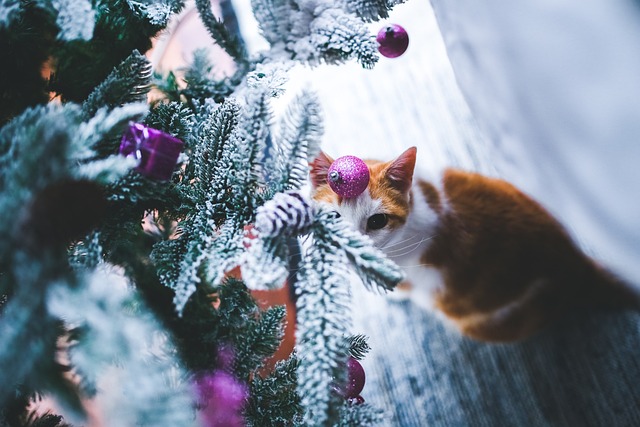
Curious Kitten Sniffing Christmas Tree Needles
Curious Kitten Sniffing the Christmas Tree
  • One of the best ways to prevent your cat from claiming the Christmas tree as his playground is to use their sense of smell! Did you know most cats have a natural aversion to citrus smells? Place orange, lemon or grapefruit rinds in a bag and hang it in the tree (don’t forget around the base too!). You can also use dried citrus fruits on the tree.
  • Lafayette Vets suggests “soaking ribbons in orange oil and tying them all over the inner and lower branches of the tree” to discourage your cat’s curiosity.
  • Another easy idea involves spraying the tree with a mixture of water and a few drops of citrus essential oils including citronella, orange or lemongrass.
  • Or try this idea: put cloves in whole oranges and hang them on the tree! Imagine how good the room will also smell!
  • You can also buy cat deterrent sprays from your favorite pet store. Depending on your cat, you may need to reapply deterrent sprays to keep your cat away from the tree. Always use only when your cat is out of the room.
  • Aluminum foil can also come in handy. Most cats dislike it because of the crinkling noise it makes and how it feels on their paws. So, wrap aluminum foil around the tree trunk.
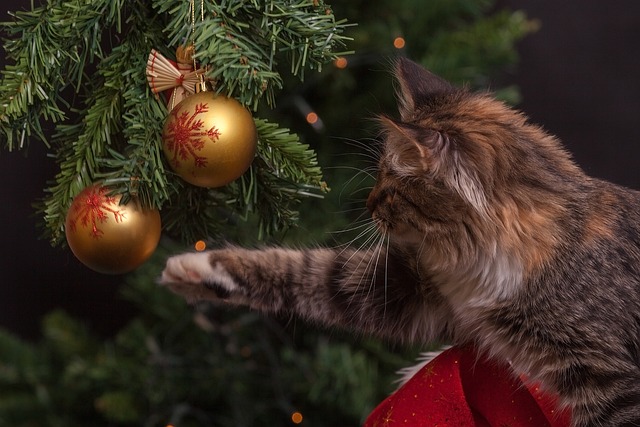
Cat Swipping at hanging Christmas Ornament on the tree
Cat Batting at a Christmas Tree Ornament

Secure The Christmas Tree

  • Cat owners know their cats love high, protected places and the Christmas tree offers that in spades! Get some fishing line and secure the tree to a wall, curtain rod, around a sturdy nail into a stud or from the ceiling. Move all furniture away from the tree prevent the perfect launching pad for your cat into the tree!

Real or Artificial?

  • Needles from real Christmas trees can pose a hazard to cats when chewed including drooling, vomiting or punctures. Consider using an artificial tree. Using an artificial tree also prevents your cat from drinking the water used to preserve a real tree. Chemicals are often added to tree water, plus stagnant water contains bacteria that can make your cat very sick.

Video: How to Cat-Proof Your Christmas Tree!

Cat-Proofing Tip 2: Ornaments

Cat Looking at a Christmas Tree with Flocking and Ornaments

Of course, ornaments are an important part of holiday decorating! You may even have some valuable heirloom ornaments saved over the years or handed down from loved ones. You’ll want to take special precautions to protect them from your curious cat! Make sure all breakable ornaments or those with sentimental value are hung high and out of your cat’s reach. Or opt for non-breakable ornaments for the ultimate protection from a curious cat that loves to climb and play! Also keep tinsel, flocking (artificial snow) and strings of popcorn out of your cat’s reach to prevent potential choking hazards or even life-threatening obstructions in the throat or digestive tract.

Cat-Proofing Tip 3: Candles

Candles are such a part of the holiday season! But they also pose dangerous risks. In addition to getting burned, cats can also tip over a lit candle (or menorah) with disastrous consequences! Consider using battery-operated candles or menorahs or place candles high where you know your cat cannot reach them.

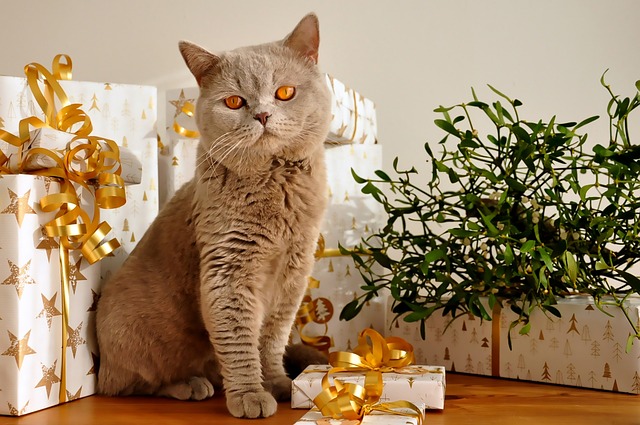
British short-haired cat surrounded by Christmas Gifts
British Short-Haired Cat Sitting by Christmas Gifts

Cat-Proofing Tip 4: Gifts

Another easy target is the pretty gifts wrapped under the tree!

Tape, ribbons and bows all pose choking hazards or deadly obstructions for your cat if swallowed and could require expensive surgery to remove.

Cat-Proofing Tip 5: Create Distractions

Always supervise your cat around the tree and be ready to distract them with their favorite toy and treats! Create some new high perches for your cat (away from the tree) and distract them from the tree! Place their favorite treats or catnip to encourage them to settle into their new perch. You can build your own or purchase ones already made from Amazon or your favorite pet store.

“10 DIY Cat Window Perches You Can Build Today!”


THE EQUIGROOMER GROOMING TOOLS!

The perfect Holiday Gift for the Pet Owner.
The gift that keeps on giving all year round!

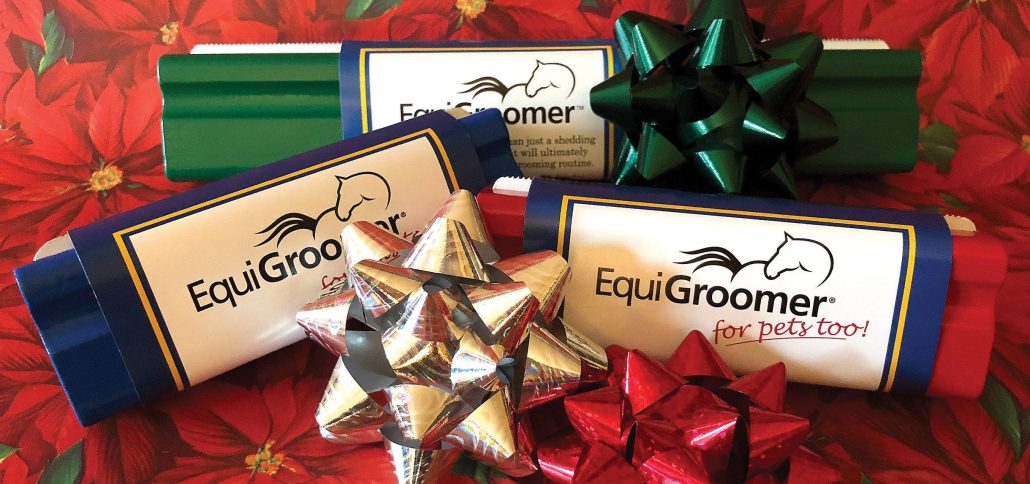
The EquiGroomer Tools for Christmas
The EquiGroomer Tools make the perfect gift for the pet owner!

Gentle ~ Comfortable ~ Pain-free

We guarantee your cat, dog, horse and other pets
will LOVE the EquiGroomer!


For individual or bulk orders, call 860-573-0604
Or send us an email.


Myths about horses, like other animals who share our life are still being passed around because of tradition, folklore and wives’ tales.

Do you believe any of these 7 myths about horses?

Myth About Horses #1: Horses are Not Intelligent

Horse Wearing a Halter Standing in a Pasture
Horse Wearing a Halter Standing in a Green Field

Just because a horse doesn’t follow your commands, it has nothing to do with its overall intelligence! Like most animals we train, horses must be trained to understand a series of instructions. But it’s also critical for the trainer to be a good communicator so the horse (or any other animal) clearly understands what you want. It’s a two-way street when it comes to communicating and training. Just as your horse learns to read your body language, effective training requires your understanding of the horse’s body language and behaviors.
Myth #2: Horses are Just Big Dogs

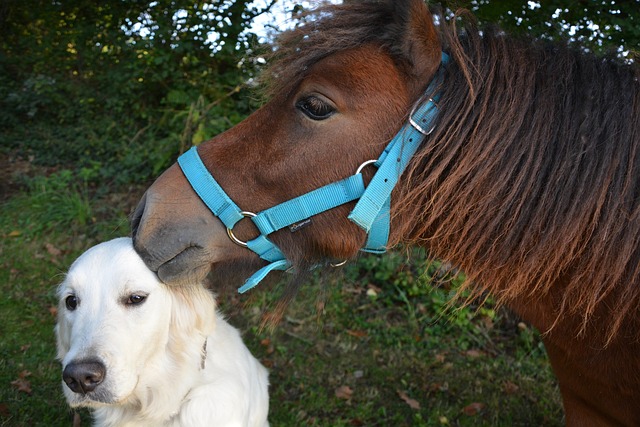
Shetland Pony and Large White Dog
Shetland Pony Nuzzling a Large White Dog

The short answer is no. Horses are not like “big dogs” for several reasons.

  • They have a much different social structure. Living in bands (or harems), the core of the group is the mare, including a boss mare who’s in charge. Even if the adult males leave or die, the same mares will stay together.
  • In the wild, horses understand they are vulnerable prey to hunters in nature. While dogs in the wild are predators and meat-eaters.

But it doesn’t mean horses don’t enjoy the company of their owners and snacking on tasty treats! But horses are not “companion animals” in the same way as our dogs.

Myth #3: Horses Only Sleep Standing Up

While horses do sleep a lot while standing up, they do lie down for REM sleep. But since they require very little REM sleep (unlike humans), horses typically spend more time sleeping standing up. Interestingly, horses have a system of ligaments and tendons that keep them upright with ease by “locking” the limbs. This is called the “stay apparatus.”

But why do horses commonly sleep standing up? To get away from predators quickly. Horses in safe and relaxed environments may opt to lie down to sleep more often.

Myth #4: Horse Hooves are Solid

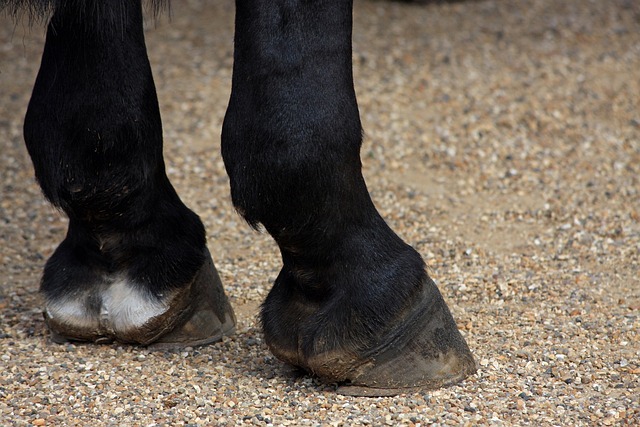
Two Horse Hooves on the Ground
Two Horse Hooves Standing on the Ground

The equine hooves may appear to be solid and tough, but they really aren’t! Their hooves are made of different layers and structures with specific functions. The hoof is quite flexible and acts as a “shock absorber” when the horse moves. Foals are born with soft, squishy hooves so as not to hurt the mare when they are in the womb. Once these soft hooves make contact with air, they begin to dry out and harden within a few hours.

Myth #5: Horses are Colorblind

It’s true that horses (and other animals) see differently than we do. But they can see some colors with their two-color (dichromatic) vision with blue and yellow hues. Other colors will appear as either white or gray.

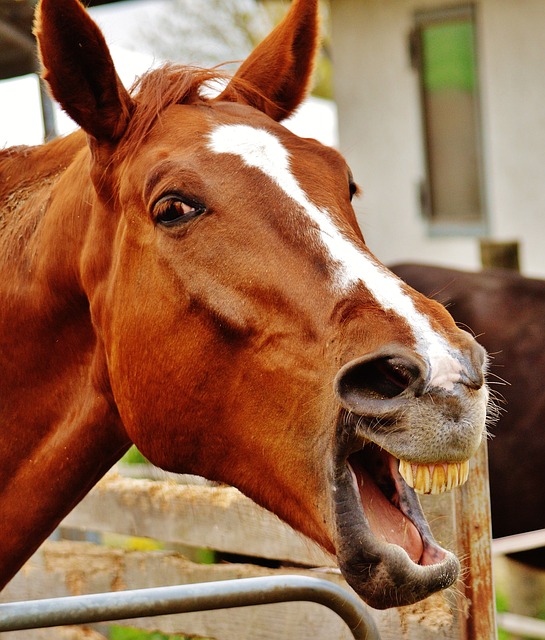
Brown Horse Breathing in More Air to Smell
Brown Horse Breathing in More Air to Smell, Called the Flehmen Response

Myth #6: Horses Grin, Smile and Laugh!

Sorry, this one is wishful thinking! Humans love to attribute human characteristics to their animals! This is called anthropomorphism so we can relate to them in a more human way. But horses are not grinning, smiling or laughing. There is a much simpler (and natural) explanation for these behaviors we love so much and it’s called the Flehmen Response. These behaviors are done to intensify the inhalation of nearby odors or scents. The olfactory glands (related to the sense of smell) are deep inside the equine’s nasal passages so these behaviors help open up these glands for a stronger smelling experience.

Myths About Horses #7: Horses with Colic Should Never Lie Down

This one is an old wives’ tale. These sayings are often passed down through generations and accepted as truth when sometimes they are not. It was once thought that a horse with colic who rolled on the ground would twist their intestines. But this is not always the case. Colic can cause a horse’s intestine to twist if they roll, but it doesn’t always happen and many vets don’t always recommend preventing horses to lay down. You may want to stop a horse with colic from rolling on the ground to avoid injury or quicker shock.


Learn about more equine myths and misconceptions.
And here are a few
more!


Benefits of the EquiGroomer
The Benefits of the EquiGroomer for Horses

EquiGroomer: Gentle and Comfortable Grooming
for You and Your Horse!

We guarantee your cat, dog, horse, other pets or livestock,
will LOVE the EquiGroomer Grooming Tools!


For individual or bulk orders, call 860-573-0604 or send us an email.


The months of October and November are all about adopting homeless pets! In our last blog post, we focused on adopting a shelter dog during October. This month, we’re going to switch our focus to adopting a senior pet specifically a senior feline (ages 7 and on)!

Learn more about Adopt a Senior Pet Month and how you can ensure an older cat will be wonderful and safe from euthanasia in its golden years just because it lost its home. Doesn’t every pet deserve that?

Do Not Write Off Older Felines

Young puppies and kittens are often adopted first in shelters leaving vulnerable senior pets behind with a very uncertain future through no fault of their own. Often, many senior pets are surrendered to shelters and rescues when:

A Senior Cat Gazing at the Camera
  • Their senior owners pass away.
  • Seniors can no longer financially care for them.
  • The senior is moved to assisted living or hospice care where their pets are not welcome.

But senior pets should not be viewed as unwanted burdens with undesirable “baggage.” In fact, being fully grown, these pets are often housetrained and have other basic training. In addition, they are usually easier to integrate into your household and care for because they do not require the non-stop monitoring and training that much younger pets need.

Below, let’s take a closer look at the irrefutable benefits of adopting a senior cat!

Adopt a Senior Cat: 10 Reasons

Yes, young kitties are beyond adorable. But they also come with needing a lot of watching and training before that “perfect cat” comes to life! Below are just some of the reasons adopting a senior – or older – cat may be the purr-fect solution for you and your life!

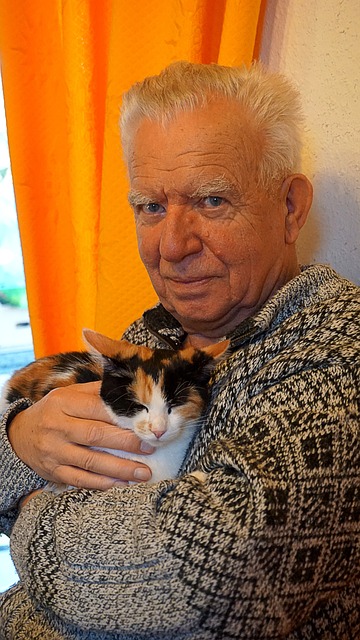
Cat Cuddling with his Senior Owner
Senior Man Cuddling a Calico Cat
  1. Senior cats are fully grown so the size you see is the size you get! They also have fully developed personalities so you know what you’re getting into upfront; for yourself, your family and your home. They have also grown into their forever hair so again; you’ll know what you’re getting into when it comes to grooming.
  2. Older cats are already litter-trained (meaning fewer accidents).
  3. Senior cats are usually fixed so no surprise litters!
  4. Senior cats are calmer and content with a lot of relaxing and sleeping (unlike young kittens!).
  5. Older cats chew less because they are no longer teething saving your furniture, wires, shoelaces and more!
  6. Older cats are cleaner and expert groomers.
  7. Older cats have fewer tummy problems and diarrhea than growing kittens.
  8. If you have young children, an older cat is less fragile than a young kitten. They are also less apt to bite human fingers or toes!
  9. If you have a kitten or are planning on getting one, senior cats are often adept at teaching the younger cat.
  10. Most importantly, by adopting a senior cat, you are giving them a second chance at a full life! You are also opening up a space for another homeless senior cat to have their own second chance and happy ending. These vulnerable felines deserve a second chance despite ending up in shelters and rescues through no fault of their own! Through adoption, you can immediately change their bad luck to a loving home for their rest of their lives!

So, if you’re looking to add a pet or cat to your family, please don’t rush by the older cats without taking a careful look. These vulnerable kitties deserve love too and will spend the rest of their 9 lives loving you unconditionally! Just like a fine wine, senior cats (and other pets) get better with age!


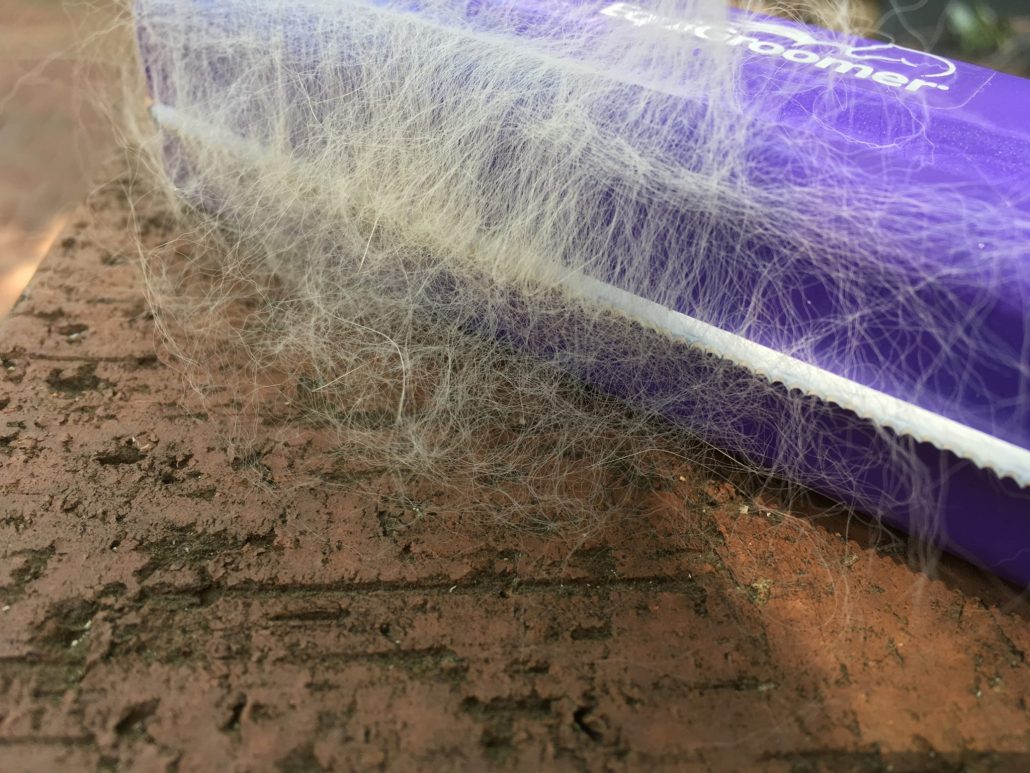
A Purple EquiGroomer after Brushing a Cat
Purple EquiGroomer After Brushing a Cat

EquiGroomer: The Perfect Gentle Way to Bond with
Your Senior Feline!

We guarantee your cat, dog, horse, other pets or livestock,
will LOVE the EquiGroomer Grooming Tools!

For individual or bulk orders, call 860-573-0604
or send us an email.


October is Adopt a Shelter Dog Month and is dedicated to finding shelter and rescue dogs forever homes and families! Learn more about this important pet holiday and what you can do to ensure a dog’s second chance at a loving home and family.

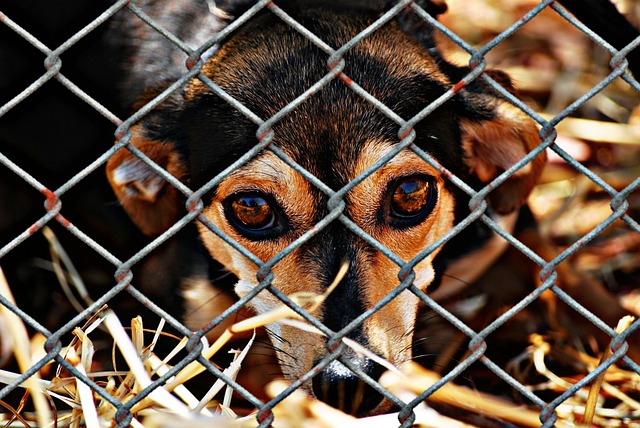
Homeless Dog Looking through a Fence
Homeless Brown and Black Dog Looking Through Fencing

When it All Began

In 1981, in response to the growing number of homeless dogs and puppies, American Humane established October as Adopt a Dog Month. Today, along with the American Society for the Prevention of Cruelty to Animals (ASPCA), they promote and encourage the adoption of homeless dogs every October.

“Each October, we encourage people to … open your heart
and your home, and be a hero for a pup in need.”
(Dr. Robin Ganzert, President and CEO, American Humane
)

7 Ways to Celebrate Adopt a Shelter Dog Month!

Adopt a New Shelter Dog

Of course, adding a dog to your home and life is the ultimate way to celebrate our canine friends this month! You can become a “real-life hero” by adopting a shelter dog or puppy into your home and heart while ALSO opening up space for another homeless dog to be rescued and receive a second chance at life!

Learn the most important pet adoption questions
answered by 200 rescues and shelters in
this Ultimate Guide to Pet Adoption!

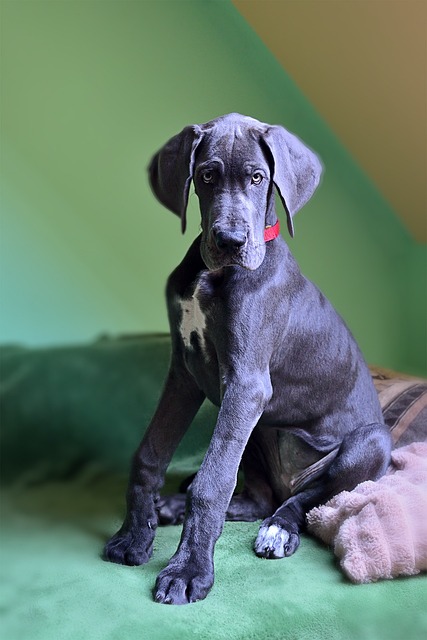
A Gray Great Dane Puppy Sitting on a Blanket
A Sitting Great Dane Puppy

Become a Foster or Adoption Ambassador!

If you can’t permanently add a new K9 friend to your life, you can still do a lot of good by fostering a homeless dog, especially the large-to-giant breeds that are often overlooked by potential adopters due to their size, energy or strength.

Remember, Sharing is Caring!

Even if you can’t adopt or foster a canine, you can use your social media to give a vulnerable dog more visibility and hope for a new home. Help your local shelters or promote your favorite breed’s dogs who need new homes!

Volunteer

Dog organizations are always in need of help and this only requires some donated time! Do you have special skills like dog training or dog grooming? Can you help walk the dogs at the shelter or rescue? Do you have office skills, website skills or graphic design skills you can donate to a local organization?

Learn other ways you can become a hero during
Adopt-a-Dog Month at American Humane!

Donations are Always Welcome!

Shelters and rescues are often short on funding so donating pet products, old blankets and towels, pet food or financial support for vet care will go a long way to helping a shelter or rescue support more homeless dogs.

Make it a group effort too! Rally and organize people at work, church or in your neighborhood for fundraising! Maybe a garage or bake sale or even a car wash can make raising money for homeless dogs fun for everyone!

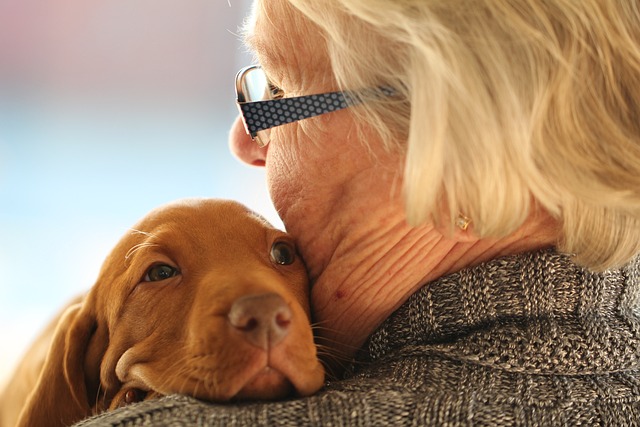
An older Woman Cuddling a Small Tan Puppy
A Senior Woman Cuddling a Small Tan Puppy

Help a Vulnerable Dog Owner

Consider helping a local senior, veteran or disabled dog owner. By helping them care for their dog, you can ensure that dog stays in its home and out of a shelter! Walking, grooming, feeding or doing vet visits will help both the individual and dog in priceless ways.

Lead by Example!

Have you adopted a shelter or rescue dog? Share your story with others and you just might encourage them to follow your lead and bring a homeless dog into their life!

Whichever way you decide to celebrate our incredible canines this month, you can rest easy knowing you are making a significant difference for the millions of dogs waiting in shelters and rescues for the forever homes they deserve!


Happy Dog Being Brushed with the EquiGroomer

EquiGroomer: The Perfect Way to Bond with Your New Dog with Tools that are Gentle and Painless!

We guarantee your cat, dog, horse, other pets or livestock, will LOVE the EquiGroomer Grooming Tools!

For individual or bulk orders, call 860-573-0604
or send us an email.

Our pets rely upon their human guardians for their best life, health and comfort! Even though felines are great at self-grooming, your cat’s coat still needs your attention.

Learn why maintaining your pet’s coat is critical in our past blog post.

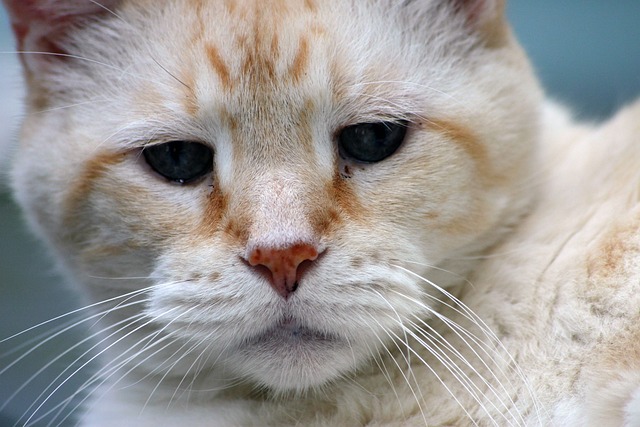
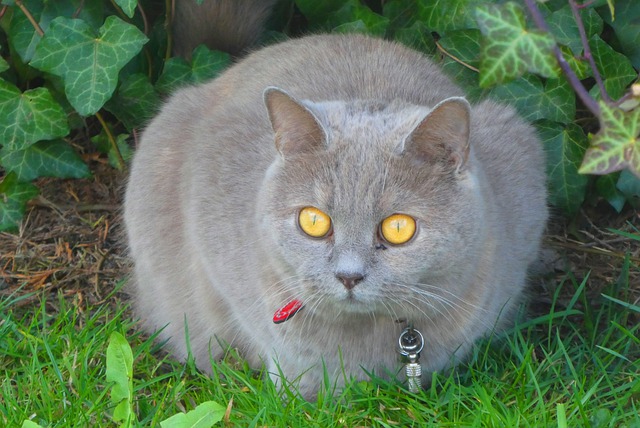
Gray Cat with Yellow Eyes Outside
Large Gray Cat with Beautiful Fur and Yellow Eyes

With as many as 130,000 hairs per square inch of a cat’s coat, it’s important to support their fur health every day! According to PetsWebMD, your cat’s hair can:

  • Provide valuable sensory information.
  • Offer protection from the heat/cold and wind/rain.
  • Produce Vitamin D.

Next, let’s take a closer look at how to care for your cat’s coat with 4 tips for a shiny and lustrous coat.

How to Care for Your Cat’s Coat: 5 Tips

The Feline’s Coat: Diet

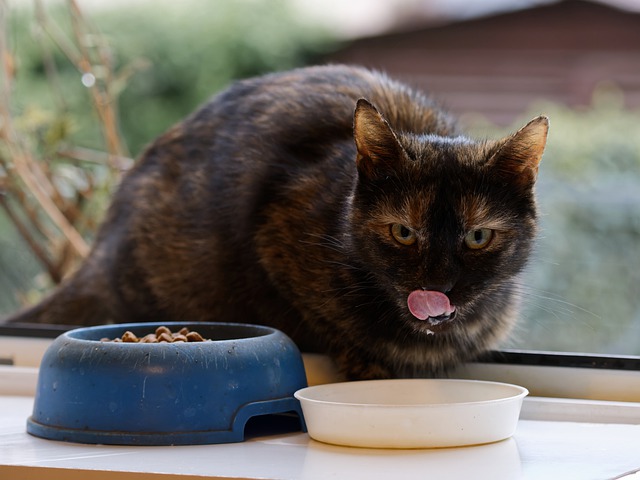
Calico Cat Eating and Drinking
A Cat’s Diet Directly Affects their Coat

Like all animals, nutrition plays a HUGE role in healthy hair and skin! Without the proper balance of complex carbs, proteins, fats, minerals and vitamins, your cat could end up with dry and brittle hair, dry and itchy skin, dandruff and an overall dull, unhealthy coat. Extra weight can also lead to an unkempt, unhealthy coat when the cat can no longer reach and groom their fur, especially around the center of their back and base of the tail. (Age and arthritis can also play a role.)

When the feline coat is looking dull or the underlying skin is dry, flaky and irritated, it’s important to look at the cat’s daily diet. Always feed high-quality food from animal products and if necessary, supplement with fatty acids (including Omega-3) found in salmon or other fish oils. Always work with your cat’s vet to find the best diet for your feline.

Learn more about proper feline diets from the Cornell University College of Veterinary Medicine.

Regular Brush Your Cat’s Coat

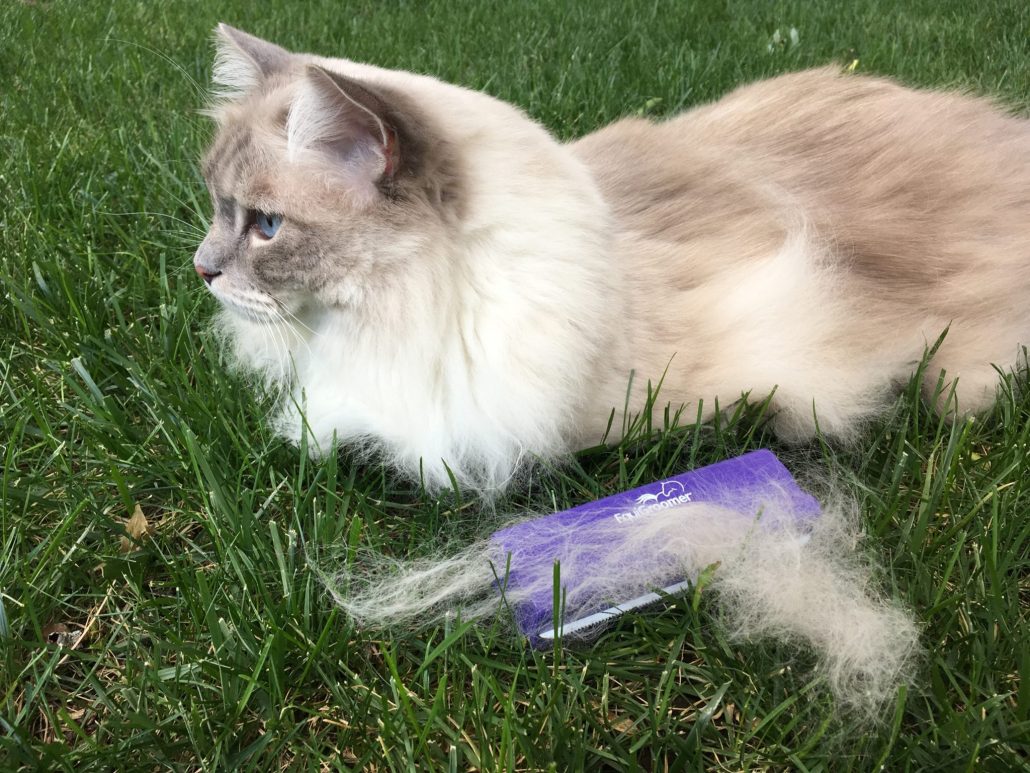
Light-colored cat laying on the grass
Light-Colored Feline after Being Brushed

Although cats are usually meticulous at self-grooming, regular brushing also helps support a soft and luxurious coat in cats of all ages. A grooming tool (like the EquiGroomer), can gently catch and remove the dead (and dull) hairs rejuvenating your cat’s overall coat. Brushing is also an excellent way to bond with your cat so always make time for it.

Learn more about proper feline diets from the Cornell University College of Veterinary Medicine.

Regular brushing can also help prevent:

  • Hairballs.
  • Matted fur.
  • Excess loose hair in your home.
  • Potential issues early like parasites.

Remember, brushing also provides the perfect opportunity to check your cat’s coat and skin for early detection, diagnosis and treatment of any medical issues.

Subscribe to our blog for future posts on how to care for
your dog and rabbit’s coat too. Subscribe at the bottom
of our homepage today!

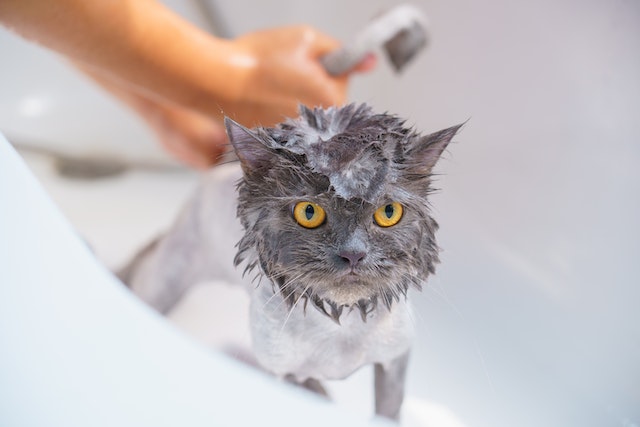
Small Gray Cat Being Bathed
Small Gray Cat Wet from Bathing

The Feline’s Coat: Bathing

While regular bathing can help control dander, fleas or parasites, overbathing can lead to a dry and stressed coat for the kitty. If you’re unsure how often to bathe your cat, talk to a professional groomer or vet for expert advice.

If your cat’s coat tends to dry out after bathing, use an all-natural, moisturizing conditioning rinse (made for cats, never those made for humans or other pets).

Your Vet Can Help!

There can be several reasons behind a dull coat and dry skin.

  • Parasites.
  • Poor diet.
  • Kidney, liver, adrenal or thyroid issues.

So always work with your vet to maintain your kitty’s best overall health, comfort and beautiful coat!


Cat Being Brushed with an EquiGroomer
Long-haired Cat Being Brushed with the EquiGroomer


EquiGroomer: The Perfect Grooming Tool for Your Cat!


Ensure your feline’s best coat with regular brushing with the grooming
tool that is gentle and painless!


We guarantee your cat, dog, horse, other pets or livestock,
will LOVE the EquiGroomer Grooming Tools!


For individual or bulk orders, call 860-573-0604
or send us an email.


If you’re anything like me, animals in need pull at my heartstrings! But how can you help those animals without being scammed?

Scams Are All Too Common

According to CNBC in 2021, in the previous 12 months, almost 1 in 3 Americans (roughly 59.4 million Americans) have been victimized by a phone scam and 19% were victimized more than once!

In 2014, scams affected 17.6 million Americans rising
to a shocking 59.4 million Americans in 2021!

A dog in need looking through a wire fence
Shelter Dog Looking through Wire Fence

Sadly, scamming has also affected the most vulnerable including animals in need. Probably because scammers know their potential victims are easier to manipulate when it comes to heartbreaking stories and images of helpless animals.

Before you get swept up in a potentially fraudulent scam, use the 9 tips below to protect yourself, your heart and your bank account when supporting animals in need!

Read Susan’s cautionary tale about being scammed
for “shelter dogs!”

9 Tips to Avoid Being Scammed over Animals in Need

Woman doing research on a laptop
Woman Doing Research on a Laptop
  1. When thinking about donating to a cause, make sure you do your research before pulling out your checkbook or credit card! Never make a quick decision based solely on your heightened emotions; scammers expect you to do that!
  2. Be on high alert for “causes” that suddenly pop up in reference to a well-publicized crisis, disaster or emergency.
  3. Only give to registered public 501(c)(3) organizations. A legitimate non-profit will always be able to provide its EIN (Employer Identification Number). Ask for it and if they cannot provide it, keep your money!
  4. Remember, it’s easy to publish a website and it proves nothing! Make sure the EIN number is clearly noted on their website before making any donation.
  5. Always do your research instead of just being swayed by emotional pictures. Images do not prove a cause or organization is legitimate! Use independent evaluator platforms to ensure the charity you are considering is a lawful entity.
  6. Always donate through the non-profit’s official channels, not an individual.
  7. Non-profits will always offer various secure payment options. If payments are requested in cash, gift cards or wire transfers, run the other way!
  8. It is common practice to ask for an official receipt (with the printed name and address of the charity) for tax purposes. If the organization does not want to give you a receipt, put away your checkbook or card!
  9. Get recommendations from pet professionals for legitimate organizations that genuinely help animals in need.

Click here for additional charity evaluator resources online.

Finding Legitimate Animal Charities

Woman's hands holding cash
Woman Holding Out a Handful of Cash

It’s always wonderful to pay it forward and help those in need, including animals! But make sure you are also keeping yourself safe before donating. If you’re looking for a new non-profit to support, do some research online first.

These are some of the most well-known organizations dedicated to supporting animals in need: ASPCA, The Humane Society of the United States, The American Humane Society and Best Friends Animal Society.

But of course, there are other animal charities you can support! The resources below can help. But remember, no matter which resource you use do your research on the actual non-profit so you understand:

  • How much of your money is helping the animals (versus admin and overhead costs); and
  • Exactly where your donation is going.

Here are some current 2022 resources to also check out:


The EquiGroomer: It’s NOT Just for Horses!

Why Choose the EquiGroomer Tools
Why You Should Choose the EquiGroomer

Easy to Use and Painless!
Durable and Made in the USA!

For Dogs, Cats, Bunnies, Horses, other pets and livestock!

We guarantee your animal will
LOVE the EquiGroomer Grooming Tools!


For individual or bulk orders, call 860-573-0604
or send us an email.


Refer a Friend

Refer a Friend