

Horses have been companions, workers, and partners for thousands of years. Today, more than 300 distinct breeds exist worldwide, each shaped by geography, purpose, and the people who developed them. Below are seven of the most popular horse breeds, what makes each one distinctive, and what owners can expect from them in terms of coat and care.
Arabian
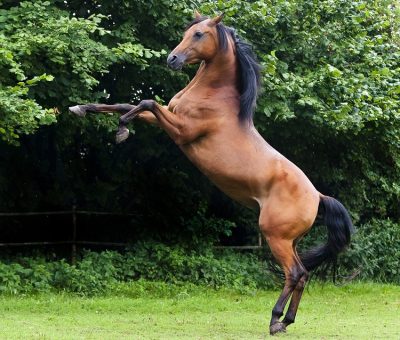
Arabian Horse Side Profile
Arabians are one of the oldest horse breeds in the world, prized for endurance and intelligence.
The Arabian is one of the oldest and most influential horse breeds in recorded history, originating from the Arabian Peninsula thousands of years ago. The breed is immediately recognizable by its dished face, arched neck, and high tail carriage. Arabians are known for exceptional endurance, intelligence, and a strong bond with their handlers.
According to the Arabian Horse Association, Arabians excel in endurance riding and are frequently shown in halter and performance classes. Their coat is typically fine and silky, with thin skin that requires consistent grooming attention, particularly during shedding season when their winter coat releases in large quantities.
Thoroughbred
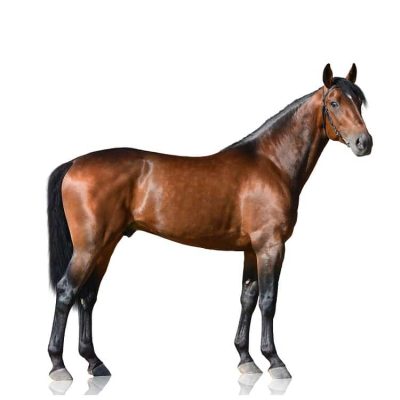
Thoroughbred Horse Athletic Build
Thoroughbreds are bred primarily for speed, with a lean build and spirited temperament.
Originating in England in the 17th century, the Thoroughbred was developed specifically for speed. The breed traces to three founding sires and today is registered through The Jockey Club, the official Thoroughbred registry. Thoroughbreds possess a lean build, long legs, and a spirited temperament that makes them competitive at the highest levels of racing.
Their coat is short and fine, which makes grooming straightforward, but they benefit from regular attention after exercise, particularly in cooler climates where sweat and moisture can cause skin irritation.
Quarter Horse
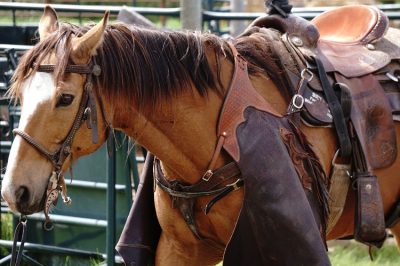
Saddled Quarter Horse Ready to Ride
The Quarter Horse is the most registered horse breed in the United States.
The American Quarter Horse Association registers more horses annually than any other breed registry in the world, making the Quarter Horse the most popular breed in the United States by a significant margin. Named for its dominance in quarter-mile races, the breed excels in barrel racing, reining, cutting, and ranch work. Quarter Horses are compact, powerful, and known for a gentle, trainable disposition.
Their coat is dense and short, and like many performance breeds they shed heavily in spring. The breed’s muscular build means regular grooming also helps maintain skin health under areas where tack sits.
Appaloosa
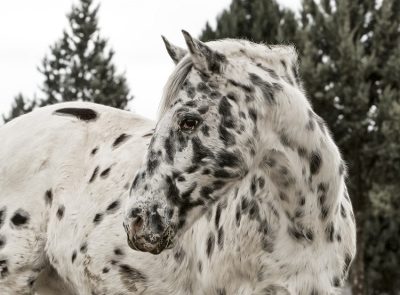
Appaloosa Horse with Spotted Coat
The Appaloosa's spotted coat patterns are as unique as a fingerprint — no two are identical.
Originally bred by the Nez Perce people, the Appaloosa is as recognizable for its spotted coat as for its versatility. The Appaloosa Horse Club has registered more than 630,000 horses since its founding in 1938. The breed competes across Western and English disciplines, in the show ring, and on trail.
The Appaloosa’s coat pattern varies dramatically from horse to horse, with spots, blankets, roans, and combinations of all three. No two Appaloosas have identical markings. Their coat often includes mottled skin and striped hooves alongside the patterned hair, all of which benefit from regular grooming to maintain condition.
Paint Horse
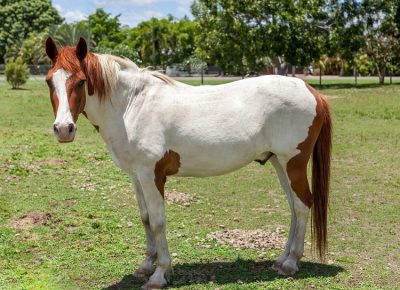
Paint Horse with Brown and White Coat
Paint Horses are descended from spotted horses brought to the Americas by Spanish explorers.
The Paint Horse descends from spotted horses brought to the Americas by Spanish explorers and is registered through the American Paint Horse Association. The breed is defined by large patches of white and any other base color, and is valued for its versatility in barrel racing, cutting, pleasure riding, and trail work.
Paint Horses have two-toned coats that require attention at the color boundaries, where skin pigmentation changes. White-marked areas are more prone to sunburn and skin sensitivity, particularly around the face and legs, making regular grooming check-ins more important than with solid-colored breeds.
Appendix
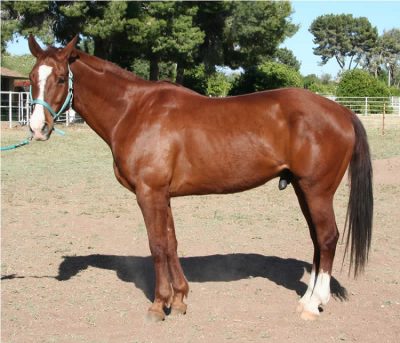
Appendix Quarter Horse in a Paddock
The Appendix combines the Quarter Horse's speed with the Thoroughbred's energy and refinement.
The Appendix is a cross between a Quarter Horse and a Thoroughbred, registered through the American Quarter Horse Association. The breed combines the Quarter Horse’s agility and calm temperament with the Thoroughbred’s refinement and energy, producing a horse that competes across a wide range of disciplines.
Their coat reflects the Thoroughbred influence, typically finer than a purebred Quarter Horse but slightly more substantial than a Thoroughbred. Spring shedding is significant in Appendix horses, and their athletic frame benefits from consistent post-workout grooming.
Morgan
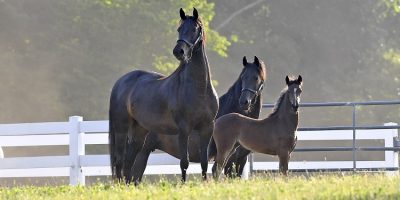
Group of Morgan Horses in a Pasture
The Morgan is one of the oldest American horse breeds, valued for versatility and loyalty.
The Morgan is one of the oldest American breeds, tracing to a single foundation sire in the late 18th century. Registered through the American Morgan Horse Association, Morgans are compact, with a refined head and proud carriage. The breed is known for exceptional loyalty, versatility in driving and riding, and a temperament that suits family use as well as competition.
Morgans carry a thick, often wavy mane and tail and a dense coat that sheds heavily in spring. Their natural insulation makes them hardy in cold climates, but spring coat management takes consistent effort.
Grooming Is Part of the Relationship
Every breed on this list has different coat characteristics: fine and silky on the Arabian, dense and short on the Quarter Horse, dramatically patterned on the Appaloosa and Paint. What they share is a shedding cycle that requires regular attention, and an owner-horse relationship that is built and maintained through physical contact.
Regular grooming sessions with the right tool make that process faster and more effective. The 8-inch EquiGroomer is designed for horses and removes loose hair, dirt, and dander without pulling or damaging the topcoat, built for the full body including the neck, barrel, and hindquarters where shedding accumulates most. For post-bath care, the 7-inch WaterWisk removes excess water from every part of the horse’s body, including bony areas like hips and hocks where standard scrapers are hard to use.