

The months of October and November are all about adopting homeless pets! In our last blog post, we focused on adopting a shelter dog during October. This month, we’re going to switch our focus to adopting a senior pet specifically a senior feline (ages 7 and on)!
Learn more about Adopt a Senior Pet Month and how you can ensure an older cat will be wonderful and safe from euthanasia in its golden years just because it lost its home. Doesn’t every pet deserve that?
Do Not Write Off Older Felines
Young puppies and kittens are often adopted first in shelters leaving vulnerable senior pets behind with a very uncertain future through no fault of their own. Often, many senior pets are surrendered to shelters and rescues when:
- Their senior owners pass away.
- Seniors can no longer financially care for them.
- The senior is moved to assisted living or hospice care where their pets are not welcome.
But senior pets should not be viewed as unwanted burdens with undesirable “baggage.” In fact, being fully grown, these pets are often housetrained and have other basic training. In addition, they are usually easier to integrate into your household and care for because they do not require the non-stop monitoring and training that much younger pets need.
Below, let’s take a closer look at the irrefutable benefits of adopting a senior cat!
Adopt a Senior Cat: 10 Reasons
Yes, young kitties are beyond adorable. But they also come with needing a lot of watching and training before that “perfect cat” comes to life! Below are just some of the reasons adopting a senior – or older – cat may be the purr-fect solution for you and your life!
- Senior cats are fully grown so the size you see is the size you get! They also have fully developed personalities so you know what you’re getting into upfront; for yourself, your family and your home. They have also grown into their forever hair so again; you’ll know what you’re getting into when it comes to grooming.
- Older cats are already litter-trained (meaning fewer accidents).
- Senior cats are usually fixed so no surprise litters!
- Senior cats are calmer and content with a lot of relaxing and sleeping (unlike young kittens!).
- Older cats chew less because they are no longer teething saving your furniture, wires, shoelaces and more!
- Older cats are cleaner and expert groomers.
- Older cats have fewer tummy problems and diarrhea than growing kittens.
- If you have young children, an older cat is less fragile than a young kitten. They are also less apt to bite human fingers or toes!
- If you have a kitten or are planning on getting one, senior cats are often adept at teaching the younger cat.
- Most importantly, by adopting a senior cat, you are giving them a second chance at a full life! You are also opening up a space for another homeless senior cat to have their own second chance and happy ending. These vulnerable felines deserve a second chance despite ending up in shelters and rescues through no fault of their own! Through adoption, you can immediately change their bad luck to a loving home for their rest of their lives!
So, if you’re looking to add a pet or cat to your family, please don’t rush by the older cats without taking a careful look. These vulnerable kitties deserve love too and will spend the rest of their 9 lives loving you unconditionally! Just like a fine wine, senior cats (and other pets) get better with age!
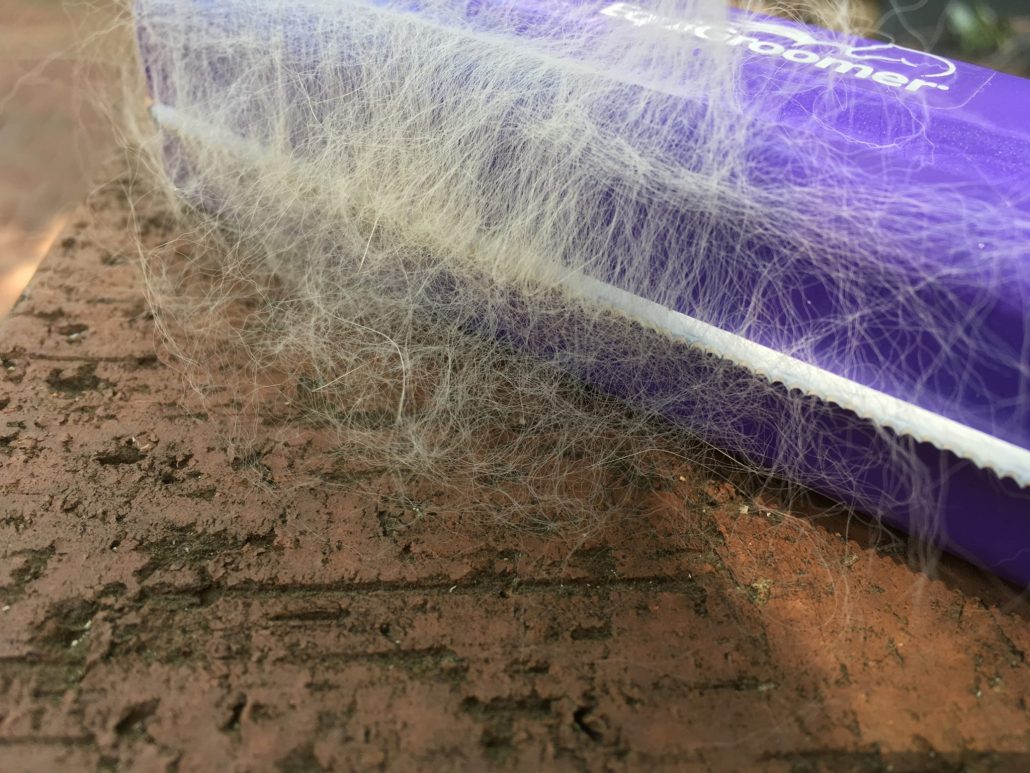
EquiGroomer: The Perfect Gentle Way to Bond with
Your Senior Feline!
We guarantee your cat, dog, horse, other pets or livestock,
will LOVE the EquiGroomer Grooming Tools!