It’s the annual winter horse coat blow-out! Barns everywhere are overwhelmed with old winter coat hair. While wild horses naturally lose their winter coats, our domesticated equines need our attention to enhance their overall coat condition for the warmer weather.

See how much you know when it comes to your horse’s coat condition below!

Horse Winter Coats 101Wild Horses in the Pasture
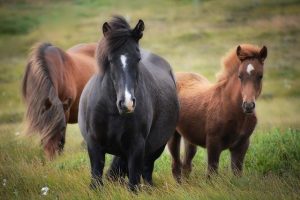
Our animals depend upon their guardians for their overall health, well-being, comfort and happiness. Test your knowledge below when it comes to horse winter coats 101.

What triggers a horse’s winter coat to shed?
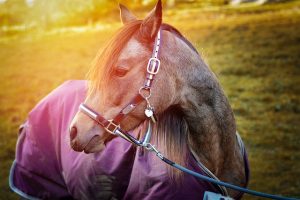
Horse Outside Wearing a BlanketIf you think it’s the warmer spring temperatures, think again! It is actually the amount of daylight that causes a winter coat to shed (longer daylight hours equals shedding). The same before winter, shorter daylight hours cause a natural reaction in growing a warmer winter coat in preparation for winter. According to The Horse, increased body temperature (from blanketing) does not help a horse shed faster.

Can fat supplements help your horse’s coat after winter?

Absolutely! Especially after a cold, dry winter. According to The Horse Journals, “fat supplements such as vegetable oil or stabilized rice bran is much more energy dense than cereal grains … and will also help improve skin and coat conditions.” Fat supplementation also helps reduce dandruff and flakiness.

Some horse owners swear by feeding flax or black oil sunflower seeds because of the oils they contain. However, this is no scientific evidence behind these claims.

Why is my horse shedding their winter coat so slowly?

There are a few reasons why your horse may be shedding slower than its barn mates.

  1. Not enough rigorous grooming.
  2. Not enough exercise.
  3. Too much time in the barn and less light.
  4. Additional nutrition is needed.
  5. Potential Cushing’s (or PPID). (Work with your vet to get bloodwork done.)
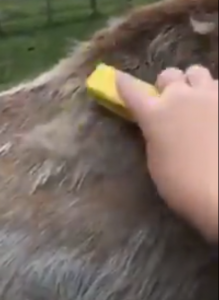
Woman Brushing Out Horse's Winter Coat

Click here to see how the EquiGroomer tools

make easy work of removing

your horse’s winter coat!


Never clip a horse’s winter coat! This one is not true. According to Pro Equine GroomsHorse Eating a Mouthful of Hay, you should clip a horse that’s uncomfortable with its winter coat when the temperatures warm up.
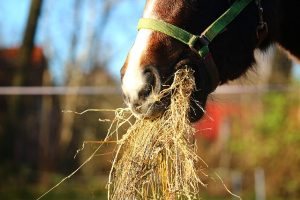
Feeding older hay? Your horse may need this nutrient!

Other vitamins and minerals can help improve your horse’s coat condition including Vitamin E, biotin, silicon, zinc and copper explains VetLineEquine.com. These nutrients can often be missing from older or store-bought hay.


Did You Know?

Shedding by our smaller companion animals – cats and dogs – creates another health issue … hairballs!

Yes, your dog can get hairballs too! Help both your feline and canine avoid hairballs with daily grooming along with increased fiber and water intake!


Your horse’s coat condition says nothing about his overall health.

This is a falsehood. Yes, it is not the sole indicator of your equine’s health, but it is an important marker of health!  HorseIllustrated.com offers some potential reasons (like nutrition, stress, endocrine issues and even worms for a lackluster coat condition along with suggested remedies.
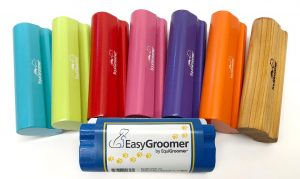

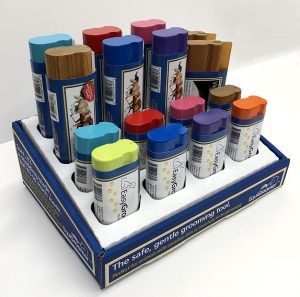
The EquiGroomer Grooming ProductsDuring the COVID slowdown, we made some significant changes to our grooming product line based on comments and recommendations from customers like you!

Changes included:

  • The shape of the handle making it more comfortable to hold.
  • A new name, EasyGroomer for our 5″ version; and
  • Better packaging to reflect the customers who purchase this smaller size.

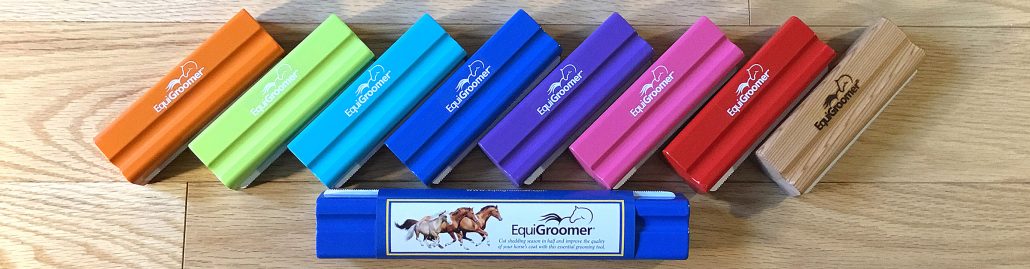
Our EquiGroomer tools make grooming your pets easier, stress-free AND pain-free!

To order individual EquiGroomer tools or professional kits for your pet shop, tack shop or barn, call 860-573-0604, send us an email or visit our website today!


Image Credits (In Order of Appearance):

InspiredImages from Pixabay 

Rebekka D from Pixabay 

Pezibear from Pixabay 

Courtesy of YouTube Video

Rihaij from Pixabay 

Product Image Courtesy of EquiGroomer

While the world still struggles to deal with COVID-19, there is also confusion and concern about our companion animals and coronavirus; including our equine friends.

Can horses catch coronavirus? The short answer is yes … and no! DO NOT PANIC, take a deep breath and keep reading for some good news!


Can Horses Catch Coronavirus? Yes.

There’s NO need to panic even though horses can become infected with a form of coronavirus and that is the critical distinction!

Coronavirus or COVID-19BUT … equine coronavirus (also known as Equine Enteric Coronavirus and ECoV) is “host-specific” and there is no evidence that it can be spread outside the species (or to humans).
Again, the COVID-19 virus the world is fighting is NOT the same strain of coronavirus that can infect horses; they are two distinctly different diseases according to the Palm Beach Equine Clinic and the CDC (Center for Disease Control and Prevention). 

Can My Horse Infect Me with Coronavirus?

Happily, this answer is a simple and emphatic NO! And vice versa, your horse cannot get human coronavirus!

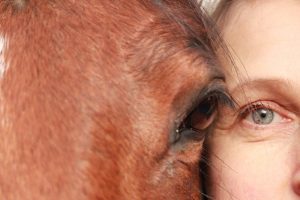
A Horse and Woman's Face Next to Each Other
What Is Equine Coronavirus?

Equine coronavirus is a gastrointestinal – enteric – disease in horses (unlike the human coronavirus that causes respiratory issues and worse). ECoV is transmitted when an infected horse’s manure is ingested by another horse (fecal-oral transmission) or when a horse makes oral contact with items or surfaces contaminated with infected manure.


GOOD NEWS!

Equine Coronavirus in horses and foals is more flu-like. Even better, the frequency of ECoV is low – even rare – since 2010. This has also been validated by Dr. Nicola Pusterla, an equine infectious disease expert.


Common symptoms of ECoV infection are typically mild and include:

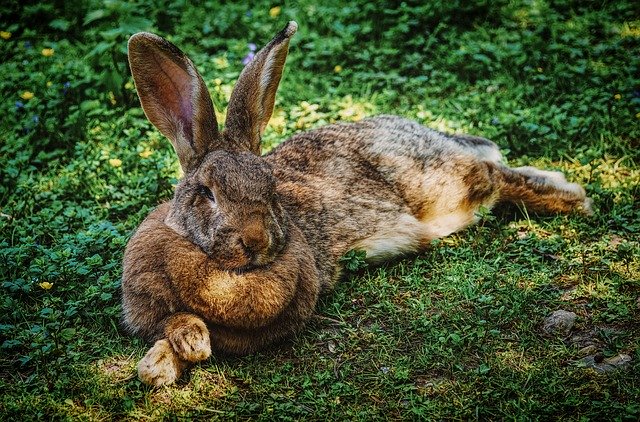
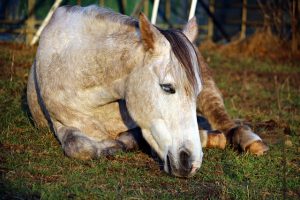
  • Anorexia, lack of appetite Horse Laying Down in a Pasture
  • Lethargy
  • Flu-like symptoms
  • Laying down frequently
  • Elevated rectal temperature
  • Fever
  • Colic or diarrhea (only in 15-20% of infected horses)

Diagnosis is done with a simple fecal test.


Listen to the Podcast: Dr. Nicola Pusterla on Equine Coronavirus


Now that you know the facts about coronavirus and your horse, you can rest easy!

For suggestions on learning mindfulness from your pet to counter coronavirus, click here!


Image Credits

Wolfgang Claussen from Pixabay 

MasterTux from Pixabay 

Emma Morin from Pixabay 

Rihaij from Pixabay 

It’s a commonly debated question, should horses be blanketed in winter? Below is a look at both sides of this “heated” debate.


Blankets, Yay or Nay?  

Winter presents a whole new set of challenges for horse owners depending on where they live. From plunging temperatures, snow, rain, sleet and mud, should you blanket your horse during the winter season? While some equines may need extra protection against the harsh elements, other horses may overheat wearing a blanket.

So what’s a person to do?

Things to Consider First

While there’s no definitive or automatic answer about whether you should blanket your horse during the colder months, there are some general guidelines that can help. Each horse is different, but the tips below can help you decide what to do for each individual horse.

Is your horse:

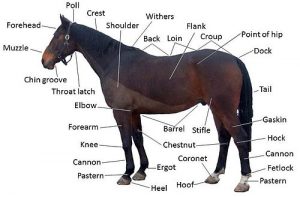
  • Shivering either in the barn or outside? When your horse is shivering, it’s the body’s attempt to produce more heat. To determine if yourAn Equine's Anatomy horse is cold, place your hand up inside the elbow or stifle to check for warmth.
  • Very young or very old? Typically, healthy adult horses can effectively regulate their body temperatures. But for senior horses and foals, they need extra help in staying warm, even if it’s not wet or windy outside.
  • Sick, injured or very thin? Blanketing these horses can help them conserve their energy and stay warm when temperatures drop below 50 degrees F. Without an adequate fat layer beneath the skin, thin horses (with a body condition score of 3 or less) require extra help with warmth.
  • From a warmer climate? Typically, it will take a horse a few seasons to adjust to his new environment and begin to grow a full winter coat.
  • A show horse? Since show horses are clipped to make them look sleek and shiny, they will need help in staying warm with blankets to compensate for the lack of a natural winter coat. A turnout blanket will protect against the winter cold and also against sunburn in the summer.
  • Not able to access shelter in the wind or rain? They may need a winter blanket to help keep them warm in harsh conditions, but it can be removed when the weather improves.
  • Sweating? The first signs of sweat will be under the blanket and may spread along their neck and behind their ears. If your horse is sweating, he’s overheating and it’s time to remove the blanket or use a lighter one.


Horses without Blankets During Winter in a PastureSleet, Rain, Snow or Wind, Oh MY!

While your horse’s winter coat can usually protect them from freezing temperatures (down to 0 degrees F with no wind or rain), it’s a completely different story when the weather becomes windy or wet. Under these conditions, the horse’s long hair loses its natural insulating properties and your horse will quickly become cold because their body heat is no longer trapped against their body.

“Horses with very short hair may be the only horses that need to be

blanketed during winter weather. In fact, a blanket may not be the best thing for horses kept outside in winter, especially when it’s wet.

“The blanket actually pushes the hair down, compressing the air spaces and the hair isn’t able to insulate the way it’s intended.”

(Mark Russell, Assistant Professor, Equine Extension, University of Arkansas, Division of Agriculture) 


A Few More Tips

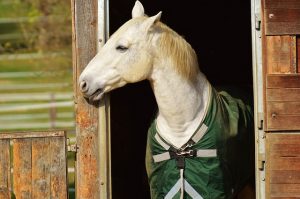
  • Make sure the blanket is well-fitted without slipping that can cause your horse to spook and potentially injure himself.Blanketed Horse Looking out Barn Door
  • If you regularly blanket your horse in the winter, his natural winter hair growth will decrease.
  • Provide plenty of forage (fiber-rich feds like quality hay and/or beet pulp) to help your horse produce his own heat naturally.
  • Horse blankets come in a range of varying weights depending on what fits your horse’s needs the best. Make sure all blankets are breathable and waterproof.  (Learn more here: 6 Factors to Consider when Choosing a Horse Blanket.)

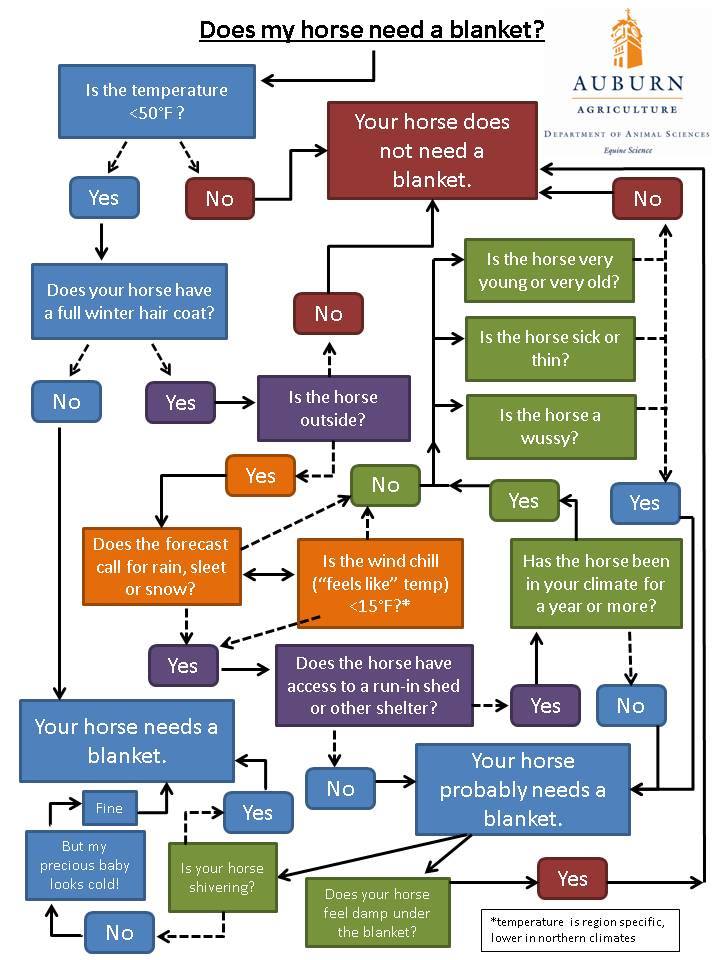
And finally, below is an informative and even humorous look (is the horse a wussy?) at whether your horse needs a blanket from the Department of Animal Sciences at Auburn University.


Graphic on Whether Your Horse Needs a Blanket in Winter


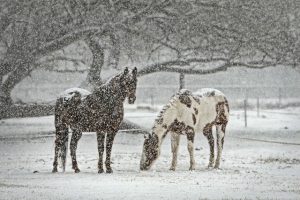
Horse Outside with Snowflakes


When in Doubt

If you’re not sure whether you should be blanketing your horse in the wintertime, reach out to your local vet and ask for advice based on their experience, your local climate and your horse’s overall health and condition. Your horse is depending on you to provide what he needs no matter the season!

Equine Grooming Is Critical for Blanketed Horses!Display of EquiGroomer Grooming Tools

When horses are blanketed, it can be hard to detect grooming or skin issues including rub marks or sores. That’s why it’s so important to maintain a regular grooming routine even in the winter.

The 3-Piece Grooming Set makes grooming your horse easier, faster and more comfortable!

For individual or bulk orders, call 860-573-0604 or click here to send us an email.


Additional Reading:

Does Your Horse Really Need a Blanket?

Monday Myth: Horses Need Blankets in Winter

What to Consider When Blanketing Your Horse

When to Blanket a Horse

Should You Blanket Your Horse this Winter?


Image Credits:

Chanita Sykes from Pexels 

Courtesy of Wikipedia

Bhakti Iyata from Pixabay 

Alexas_Fotos from Pixabay 

Pexels from Pixabay

Product Image: Courtesy of EquiGroomer

Pets can often feel “feverish” to a worried owner simply because an animal’s normal temperature range is above our own (typically between 97.5 to 99.6 degrees F). 

Our pets and animals can become too hot (or even too cold) for a variety of reasons. If you are concerned your pet has a fever or is overly chilled, taking their temperature can help put your mind at ease or encourage you to contact your regular veterinarian. But how do you know if your pet’s temperature is normal? 

High vs Low Temperatures: Which is Worse

While a pet with a high temperature is typically more worrisome to most owners, a low temperature may also be a cause for alarm. If you are unsure about your pet’s unusual temperature, consult your veterinarian to avoid any long-term issues or complications for your pet.

The medical terms below are used to indicate temperatures outside the normal range:

Hyperthermia (a high temperature outside the normal range) may indicate:

  • Fever due to infection or inflammation as part of the immune system’s defense.
  • Overexertion.
  • Stress; or
  • Overheating from exposure to excess heat and/or humidity (absorbing more heat than the body can naturally dissipate or release).

Hypothermia (a low temperature outside the normal range) may indicate:

  • Extended exposure to cold and/or wet.
  • Shock.
  • Pending labor in females.
  • The body is losing heat faster than it is absorbing.

Healthy Pets: Normal Temperature Ranges

Pet temperatures fall into ranges

Dogs: 101 – 102.5 degrees Fahrenheit (or 37.9 – 39.9 degrees Celsius)

Cats: 100 to 102.5 degrees Fahrenheit (or 39.1 – 39.2 degrees Celsius)

Rabbits: 101.5-104.2 degrees Fahrenheit (or 38.6 – 40.1 degrees Celsius)

Horses: 99 – 101.3 degrees Fahrenheit (or 37.2 – 38.3 degrees Celsius)

Livestock: Click here to find the normal temperature range for other animals in the Merck Veterinary Manual.

Sustained temperatures outside the pet’s normal range can lead to issues like heat exhaustion, heatstroke, and even internal damage if not addressed properly and reduced to the normal range. Always know your pet’s normal resting temperature (temperature setpoint) to know if they are having issues.

Taking Your Pet/Animal’s Temperature

Old-fashioned mercury thermometers are no longer considered safe for taking an animal’s temperature as they may snap especially with excited or nervous animals exposing the pet – and you – to potential mercury.

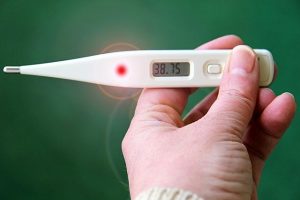
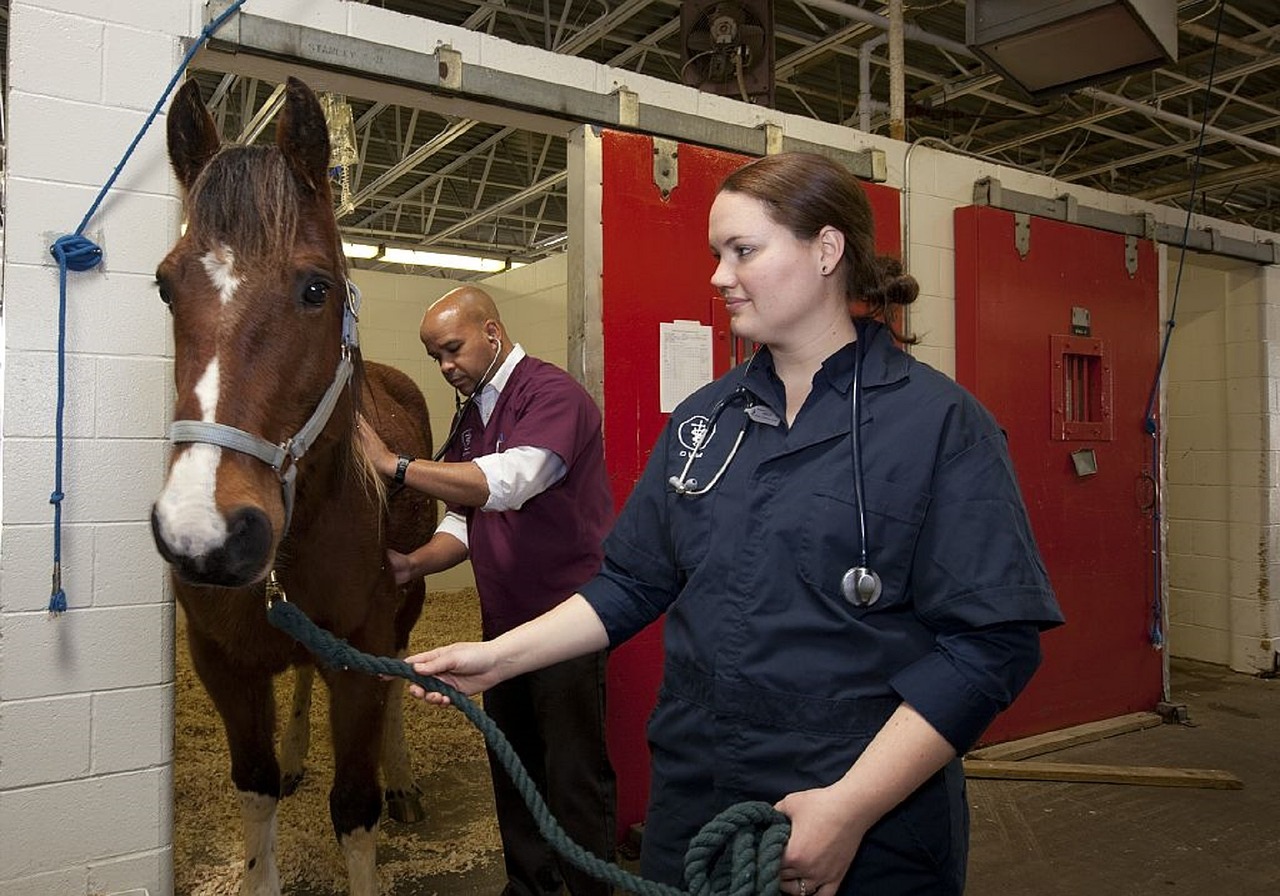
Digital thermometers show if your pet's temperature is normalDigital thermometers are considered safer and more commonly used today. Temperatures are typically taken via the ear or rectally – which is considered more accurate – in cats, dogs, horses and livestock (with a small amount of lubricant on the end of the thermometer). Be warned, depending on your pet or animal, taking their temperature may be a two-person job!
 

Abnormal Temperatures: When to be Concerned

Our pet’s temperatures can fluctuate during the day and it is not always a reason to be concerned. The temperature and humidity outside and your pet’s activity can all affect their temperature. Getting them to rest and drink should help bring their temperature back within the normal range.

Your vet can tell you if your pet's temperature is normal


The Bottom Line

Like humans, animals may run slightly elevated, short-term temperatures as their body fights off minor infections or fevers. This is normal.

Medications should only be used when necessary to avoid diminishing the effectiveness of your pet’s immune system. If a mild fever or slightly elevated (and unusual) temperature persists for more than a few days, contact your veterinarian for an examination and definitive diagnosis.


If your horse is overheated, spraying him with cool, fresh water can help safely reduce his temperature. Use our Water Wisk to remove all sweat and water too!

Order individual EquiGroomer tools or professional kits for your pet shop, tack shop or barn, by calling 860-573-0604,  sending us an email or visiting our website today!


Additional Reading:

Pets.WebMd.com: Fevers in Cats

Equus Magazine: What to do When Your Horse Has a Fever

AKC: Fever in Dogs: Causes, Signs and Treatments

Rabbit Care Tips: Why is My Rabbit Shaking and Laying Down?

PetComments.com: Best Pet Thermometers

Image Credits (In Order of Appearance):

Beverly Lussier from Pixabay 

Susanne Jutzeler, suju-foto from Pixabay

Gundula Vogel from Pixabay 

Skeeze from Pixabay

Product Image Courtesy of EquiGroomer

How often should you bathe your horse? Should you wash them when it is cold – or even hot – outside? Today’s post will explore the pros and cons when it comes to bathing your horse.

If you are a horse owner, you have probably had (many) conversations about proper bathing for your horse and with each question comes a variety of – even conflicting – answers. Is bathing good for their skin or does it dry it out? Should you use warm or cold water when bathing in the summer heat? When is regular bathing too much?

This post focuses on the information necessary to make the best decision for the equine in your life.

To Bathe or Not to Bathe?

If you have a horse that regularly shows or competes, you will likely bathe them more frequently, so they look their best in the show ring. If your horse does not compete, bathing requirements will be different.

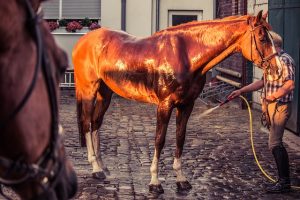
Horse Being Hosed Down with WaterOpinions on the frequency of bathing horses range from a few times a year to monthly, weekly, only when the horse is dirty and evennever!” Regardless, never place tack on a dirty horse for their overall well-being and comfort! Dirt, debris and even dried sweat under a saddle and girth will create potential chafing, itching, fungus and infections.
While there is no definitive rule about how often to bathe your horse, it IS critical to make sure the natural oils in your horse’s coat and skin are not stripped away with over-bathing. Bathing your horse too often will leave the coat dry and flaky and the unprotected skin prone to infections.

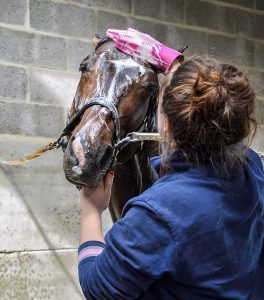
Grooming your horse regularly will help reduce the need for frequent bathing. Also, spot cleaning (especially in the presence of infections like rain scald/rot or scratches), shampoo-less rinses and even just clear, cleanWoman Washing Horse's Head water can be done more frequently with fewer negative side effects.
Horse Bathing:  Shampoos

If you decide to bathe your horse more frequently, use a gentler, hypoallergenic shampoo. (It is also better for a horse with sensitive skin.)

Note: Blue shampoos for making coats whiter are harsher.

Also, allow plenty of thorough rinsing to remove all shampoo residue from the coat and skin to avoid unnecessary irritation.

Horse Bathing: Drying

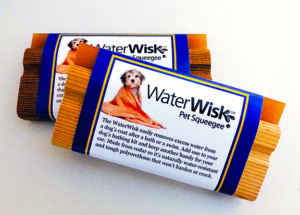
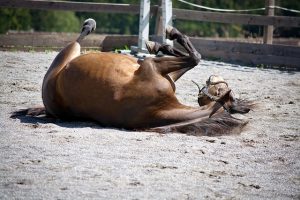
Horse Rolling in DirtWarm and sunny days are perfect for letting your horse dry naturally. Use a sweat scraper to remove/whisk away as much water as possible before thoroughly drying the entire body. (See EquiGroomer “WaterWisk” scraper/squeegee tool here.) Then cover with a clean sweat sheet in case your clean horse decides to enjoy an enthusiastic roll on the ground!
If you must bathe your horse during colder weather, make sure you have access to warm water and a well-protected area, so your horse remains warm. After drying your horse as much as possible, make sure to blanket them to ward off any chills.  Anytime a horse gets chilled from cold temperatures and drafts, their resistance to infections and respiratory diseases is greatly reduced.

The Bottom Line

At the end of the day, it is the horse owner who decides on what is best forWoman Petting Horse's Head their horse, health, overall well-being and ultimately comfort. Maintaining a horse’s optimal health – including bathing – is different for each equine.

Unsure about how often to bathe your horse? Talk to other experienced horse owners as well as your vet. Also closely monitor your horse after each bathing and then proactively adjust the frequency and products for the best outcome!


EquiGroomer's WaterWish and Pet SqueegeeOur EquiGroomer tools make bathing and grooming your horse easier, stress-free AND pain-free!

Order individual EquiGroomer tools or professional kits for your pet shop, tack shop or barn, by calling 860-573-0604, an email or visiting our website today!


Additional Reading:

Horse Illustrated: 5 Tips for Bathing Your Horse

EquiMed: Bathing Your Horse

Saddle Box: How Often Should You Bathe Your Horse?

Pro Equine Grooms: How Often Should You Bathe Your Horse?

Equus: How to Bathe a Horse Like a Pro

Image Credits (In Order of Appearance):

Christels from Pixabay 

A_Different_Perspective from Pixabay 

Christels from Pixabay 

Pezibear from Pixabay 

Dids from Pexels

Product Image Courtesy of EquiGroomer

As the summer months heat up, people become more conscious about staying cool and fully hydrated. But did you know your pet is at an even greater risk of dehydration? Learn how to keep pets well-hydrated during the summer months below!

Courtesy: PetSafe.netYes, our pets are at an even greater risk for dehydration because their bodies contain more water (80%) than the human body which contains only 60% of water so it’s critical to know how to keep your pets well-hydrated during the summer months.
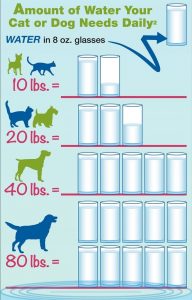

So, in honor of National Pet Hydration Awareness Month during July, let’s take a closer look below at the proper hydration our pets need in these hotter months.

How Much Water Do Pets Need?

Most pets need 1 ounce of water per 1 pound of bodyweight. (Learn about how much water horses need below.) Is your pet getting that much water each day? All pets need plenty of fresh, cool water, especially during the hotter months.

Closely monitor their water intake to ensure they are getting enough water to support their overall health.

If your pet likes to drink out of the faucet (including some cats), invest in a pet fountain that offers fresh running water to entice them to drink more.

This handy graphic by PetSafe.net, the founders behind National Pet Hydration Awareness Month, offers a great visual in terms of 8 oz. glasses of water. (Exercise or excessive heat/humidity increases how much water your pet needs.)

Unfortunately, most pets do not get enough hydration during extreme and humid temperatures. Even if your pet is indoors in the air conditioning, their bodies still feel the effects of the increased heat and humidity especially if they spend any time outdoors.

Signs of Dehydration

Dehydration can sneak up on your pet and owners need to be aware of the symptoms indicating potential dehydration.

  1. Sunken, dry eyes
  2. Dry nose and/or mouth
  3. Lethargy and depression
  4. Gums that are dry, sticky or pale
  5. Loss of appetite or refusal to eat

Use this Skin Test to See If Your Pet is Dehydrated

Gently pull up a loose fold of skin from the back of your pet’s neck or in between their shoulder blades.

Release.

If the skin quickly returns to normal, your pet is probably ok. If the skin hesitates or slowly returns to normal, your pet could be showing signs of dehydration. Call or see your veterinarian immediately to rule out dehydration and other serious health consequences.


Dehydration: Other Causes

Dogs or cats with the health conditions below can become dehydrated quicker and easier and need to be monitored closely.
  • Vomiting or diarrhea
  • Fever
  • Trauma
  • Heatstroke
  • Kidney disease
  • Diabetes (or other metabolic disorder)
  • Cancer
  • Pets who are pregnant/nursing

Dehydration: Equine

Horses are just as susceptible to dehydration. Just a 3-4% loss of body water can cause mild dehydration in a horse.

Horses who exercise and sweat in hot, humid temperatures will need more water especially to avoid heat exhaustion/heat stroke and worse.

According to the EquiMed website, adult horses around 1,000 pounds require a minimum of 10-12 gallons of water each day. Just like with other pets, water is critical for an equine’s proper bodily functions.


The Skin Test (above) can also be used near the base of the horse’s neck to help determine dehydration.


Always work with your veterinarian to make sure that you keep pets well-hydrated during the summer months to avoid any potential risks to their health.


Along with plenty of fresh

water each day, help your

animals stay as cool as possible

with regular grooming to remove

excess, dead hair.

Our EquiGroomer tools make grooming your horse easier, stress-free AND pain-free!

Order individual EquiGroomer tools or professional kits for your pet shop, tack shop or barn, by calling 860-573-0604,  sending us an email or visiting our website today!


Additional Reading:

PetSafe: Pet Hydration Awareness Month, Why Now

PetSafe: Infographic: Does Your Pet Have a Drinking Problem?

PetMD: The Importance of Water for Dog Nutrition

PetMD: Dehydration in Cats

EquiMed: Dehydration

Horse Racing Sense: Is My Horse Dehydrated? 10 Clear Signs of Equine Dehydration


Image Credits (In Order of Appearance):

Myriam Zilles from Pixabay 

Courtesy: PetSafe.net

Courtesy: PetSafe.net

Free-Photos from Pixabay 

FreeStocks.org from Pexels

Rebecca Schönbrodt-Rühl  from Pixabay 

Product Image Courtesy of EquiGroomer

Welcome back to the second part of How to Get Rid of Biting Summer Flies!

Our last post focused on one of the most common biting flies, the horse fly. In this second part, we will continue to look at how to get rid of biting summer flies with natural repellents and more!

Flies, Flies and More Flies!

Group of Flying Biting Summer Midge FliesWhat exactly are horse owners up against when it comes to flies in hot summer months? A variety of flies that bite, draw blood and irritate and annoy both you and your horse!
Common flies (beyond the horse fly we discussed last time) include:

  • Stable flies
  • Black flies
  • Deer flies
  • Sandflies and biting Midge Flies

Why are flies such a problem for equines? Flies can:

  1. Carry and spread diseases.
  2. Cause allergic reactions.
  3. Cause infections.
  4. Create digestive issues.
  5. Chip or break your horse’s hooves from continuous stomping to get rid of flies.

Fly Prevention: Best Practices

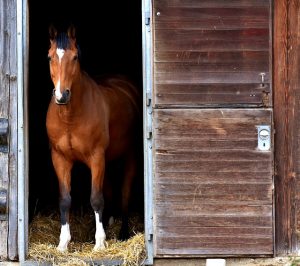
Prevention is critical since a single fly can produce up to 1,000 flies inHorse Standing in Open Barn Door less than a month!  Using a combination of fly control options will offer the best results. Below are 6 best practices for your horse and barn.
  • Strict and regular sanitation protocols will help decrease and discourage the creation of fly populations by keeping your barn odor- and ammonia-free.
    • Address fly breeding and larvae hatching by regularly eliminating potential moist or damp areas where flies prefer to lay their eggs including:
      • Manure in your barn, yards and fields (which offer breeding places and constant food sources).
      • Decaying plant waste (i.e., rotting logs). 
      • Damp straw, rotting hay and moist soil under hay bales. Consider replacing straw bedding with rubber matting to reduce overall barn moisture.
      • Use moisture-soaking materials and/or absorbent bedding in all stalls. 
      • Regularly spread out both manure and stable bedding so it dries out quicker.
      • Drain all areas where excess water/rainwater gathers and pools.
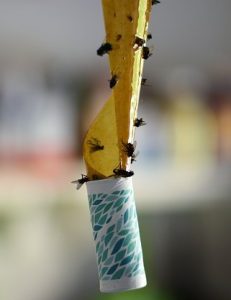
  • Regularly treat all stable surfaces (sides of the barn, stall surfaces,Get Rid of Biting Summer Flies with sticky fly paper fences and piles of manure) with a reliable fly control option or an insecticide, pesticide or larvicide.

  • Protect your horse from flies with sprays or dusts. Use oil-based fly sprays that remain effective longer (water-based products usually offer shorter residual effects). When applying, be careful around sensitive areas like your horse’s eyes, ears and muzzle. For the safest application, spray onto a washcloth first and then gently apply or use a roll-on product.
  • Use and regularly replace fly traps/flypaper.
  • Always securely cover all open food and garbage containers to avoid attracting flies.
  • Turn off all barn lights at night to prevent insects from being attracted to the light.

Click here for the Amateur Equestrian article, “Top 23 Ways to Eliminate and Protect Your Horse and Barn from Flies this Summer”


Fly Prevention: 5 Options

So how do you get rid of biting summer flies already in your barn, tack room and paddock?

  1. Fly Predators to prevent fly eggs from hatching
  2. Supplements containing garlic, such as SmartPak’s BugOff
  3. Fly sheets to not only protect from flies but also UV rays
  4. Wondercide Natural Bug Repellent Spray
  5. SWAT Fly Repellent Ointment for trouble spots where flies tend to congregate (under the chin, on the chest and around the nose)


Fly Protection: 5 Natural Options

Prefer to use natural fly protection for your horse? Try these DIY options below!

  • Apple Cider Vinegar (ACV)

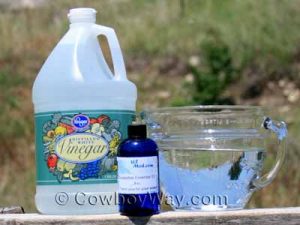
Not all vinegar is created equal when it comes to effectiveness andBottles of Organic Apple Cider Vinegar nothing is as effective as unpasteurized, organic apple cider vinegar. Just fill a spray bottle with ACV and spray down your horse for natural fly protection. If the smell bothers you or your horse, dilute with a 50/50 ratio of water.
  • Commercial Natural Fly Sprays
    • Absorbine UltraShield Green Natural Fly Repellent (contains essential oils and guaranteed to last up to 8 hours)
    • Animal Legends Flicks Horse and Pet Spray (concentrated and biodegradable)
    • Equisect Botanical Fly Repellent Spray (contains botanical and essentials oils including citronella, clove stem and thyme)
    • Calm Coat Natural Repellent (concentrated with citronella, eucalyptus and other botanical oils)  
  • Lemon Juice (bugs hate it!)
  •  Avon Skin So Soft (smells great and is a DEET-free bug deterrent for your horse and you!)
  • Natural Fly Spray for Horses by Savvy Horsewoman  (uses essential oils to deter flies, mosquitoes and other insects)

      OR

    • 100-150 drops of any combination of the following oils:
      • Citronella
      • Eucalyptus
      • Lemon Grass
      • Peppermint
      • Cedarwood
      • Lavender

Add all ingredients into the spray bottle and fill to the top with water. Shake well and spray on horses and riders as needed, being careful to avoid the eyes and nose. Store in a cool, dark place.


Get Rid of Biting Summer Flies with Vinegar and other natural ingredients

Looking for more DIY, Natural Horse Fly Sprays?

Click here to go to the Cowboy Way website for 3 easy recipes!


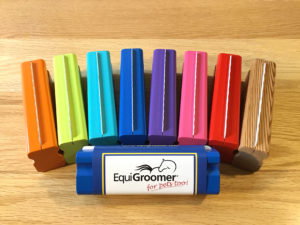
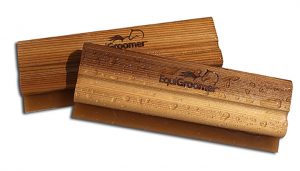
WaterWisk Grooming Tool from EquiGroomer“Whisking” all sweat, excess soap and water from your horse is easy for maintaining their coat’s best condition with our innovative WaterWisk!
 Our EquiGroomer tools make grooming your horse easier, stress-free AND pain-free!

Order individual EquiGroomer tools or professional kits for your pet shop, tack shop or barn, by calling 860-573-0604,  sending us an email or visiting our website today!


Additional Reading:

Texas A&M University: Veterinary Medicine & Biomedical Sciences: Shoo Fly … Don’t Bother Me!

Savvy Horsewoman: How to Get Rid of Flies Naturally

Stable Management: Reduce Flies on Your Horses and Property

Amateur Equestrian: Top 23 Ways to Eliminate and Protect Your Horse and Barn from Flies this Summer

Horse and Rider: Fly Control Options for Horse and Barn


Image Credits:

JacLou DL from Pixabay 

Hans Braxmeier from Pixabay 

Alexas_Fotos from Pixabay 

Wolfgang van de Rydt from Pixabay 

Bragg.com: Apple Cider Vinegar

CowboyWay.com

Product Image Courtesy of EquiGroomer

Summer means annoying flies! Learn more about how to get rid of biting summer flies.

This post will look closer at one of the most common biting flies, the horse fly. Horseflies are known to annoy livestock, dogs, horses and even humans! Keep reading to learn more about the horse fly.
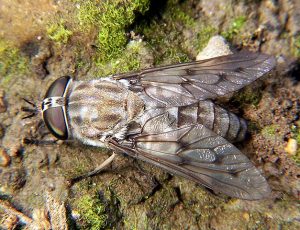
Horsefly Sitting on Moss
The Obnoxious Biting Horse Fly

The horsefly is a large, bloodsucking fly with a stouter body and exceptionally large head. Since males have weaker mouthparts, they do not bite. They act as pollen and nectar collectors.

In contrast, the females can easily bite with a mouth that can pierce and cut the skin with scissor-like jaws and then lap up the blood flow to help them reproduce.

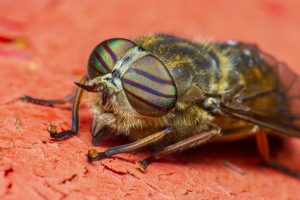
The horsefly is also referred to as the:  Horse Fly with green eyes on an orange background

  • Gadfly
  • Cleg (or Clegg
  • Breeze Flies
  • Bull Dog Flies (in Canada)
  • March Flies (in Australia)
  • Green-headed monster because of their prominent compound, iridescent eyes

Horse flies:

  • Are inactive at night.
  • Are most active in full daylight with no wind.
  • Are attracted to:
    • Movement;
    • Moisture; and
    • Carbon dioxide from their prey.
  • Will chase and attack dark moving objects.
  • Live in areas that are humid, warm and near bodies of water (for breeding) where livestock and other mammals graze.
  • Are mentioned in literature as far back as Ancient Greece in driving men mad with their single-minded persistence and tenacity!


The Life-Threatening Bite of the Horse Fly

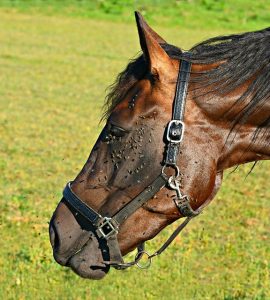
Horse's head covered with flies in the pasture

Since the female horsefly feeds on the host’s blood, they can easily transfer blood-borne diseases and parasites from one animal to another one. This includes the Equine Infectious Anemia (EIA) or Swamp Fever. This horse disease is caused by the EIA virus transmitted by biting and bloodsucking flies. Once EIA-positive, equines are infected for life.

While horse fly bites are painful for humans, they typically heal on their own with few side effects; serious and unusual reactions are not common.

Make Your Own DIY Fly Trap to Get Rid of Biting Summer Flies!

All you need is 4 simple items!


Protect Your Horse from Biting Summer Flies

Horse wearing a face mask in the pastureSo how do you get rid of these pesky, annoying – and even dangerous – horse flies to protect yourself, your horse, dog and livestock from their insidious bites?


Products like fly masks, ear nets, fly boots, fly mesh sheets and repellent tags, can help protect your horse from biting horse flies. A powerful fan in barns can also help discourage horse flies as they do not like the wind. Flytraps are also a common way to address the problem of horse flies.

Disposable fly traps work the best at trapping horse flies with the added attractant which gets activated by sunlight and water. The attractant lures them into the trap where they eventually drown. A single trap can effectively catch up to 20,000 flies over several weeks before they need to be replaced.

Another simple – yet effective – DIY trap for horse flies uses an empty coke bottle plus rotten meat!

  1. Take a coke bottle and cut off the top about 1/3 of the way down from the top with a knife.
  2. Drill a 1 cm hole in the bottle cap.
  3. Put some rotten meat with some water in the bottom part of the bottle and insert the cut upper part upside down into the bottom part of the bottle.
  4. Seal the edges with tape to seal and hang near infested areas.
  5. The smell of the rotten meat will attract the horse flies to enter through the hole in the bottle cap but they will not be able to escape.
DIY Tiles on Marble Table
                                  Courtesy: https://wiredsmart.io/

Looking for other DIY trap ideas for getting rid of horse flies?

Click here to go to the Flies Only website!


Follow our blog …

for the second part of this important topic with a look at other biting summer flies and the natural repellents you can use.


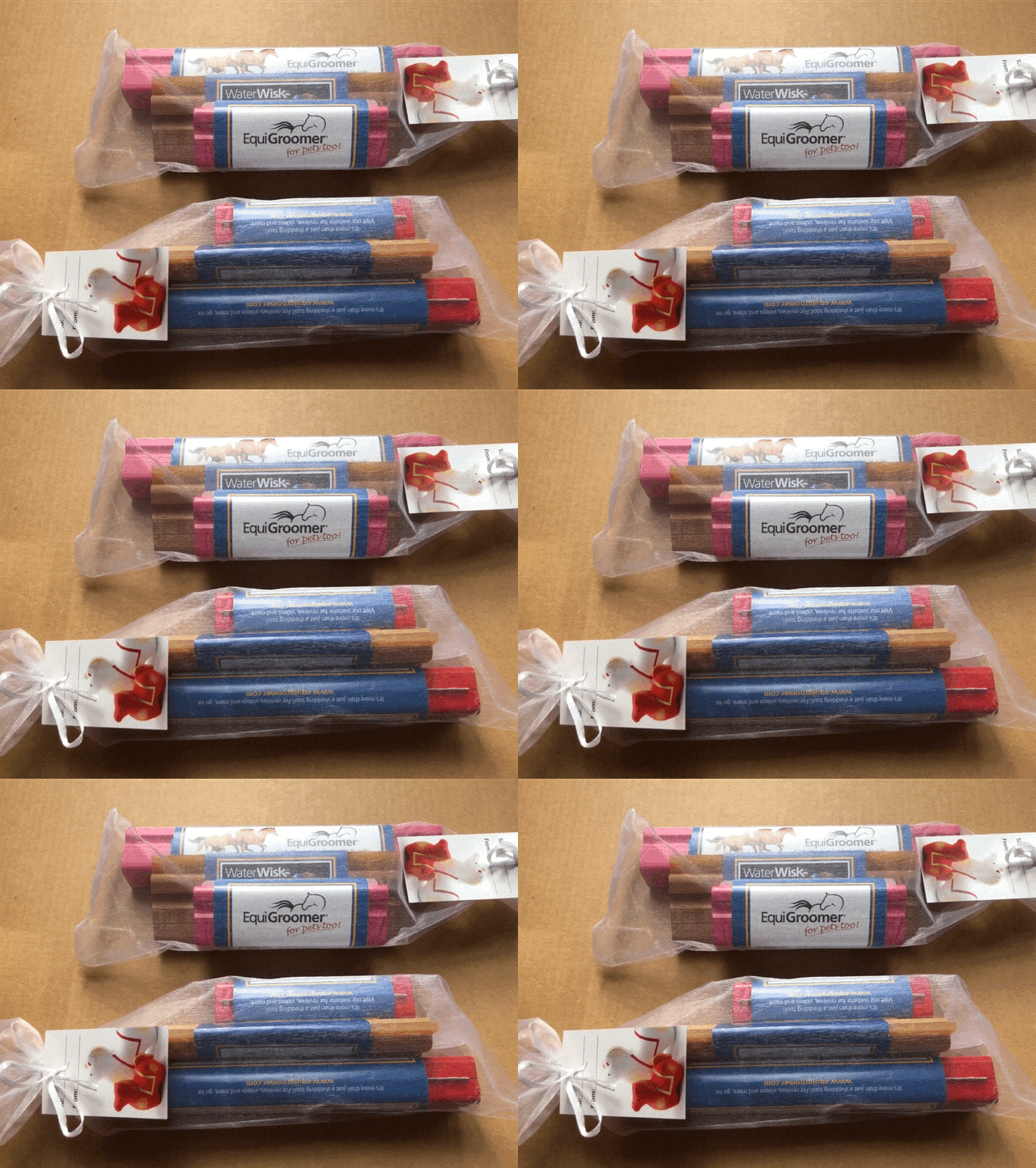
The EquiGroomer Horse Kit

Regularly grooming your horse helps maintain their coat and gives you the opportunity to look for – and treat – fly bites.

 Our EquiGroomer tools make grooming your horse easier, stress-free AND pain-free! It’s the perfect gift for the horse lover and owner!

Order individual EquiGroomer tools or professional kits for your grooming shop, tack shop or barn, by calling 860-573-0604, sending us an email or visiting our website today!

Additional Reading:

Pest World: Horse Flies

Flies Only: How to Get Rid of Horse Flies – Facts & Control Techniques

The Horse: Flies and Bugs: Protect Your Horse

Horse Racing Sense: Horseflies: Facts You Need to Know? The Keys to Fly Control

The Royal Society: An Unexpected Advantage of Whiteness in Horses: The Most Horsefly-Proof Horse has a Depolarizing White Coat


It’s a stressful time right now for the whole new world!

But for our pets, it’s just another day as they are blissfully ignorant of the current world events. Perhaps it’s time to learn mindfulness from your pets!

What is Mindfulness?

Unfortunately, most of us have been taught or conditioned to react or respond to what we perceive as reality around us. When we do this, we Learn Mindfulness to Deal with Life's Challengesoften find ourselves worrying about the past or fearful about the future. Neither are natural states of being. Thankfully our pets always live in the moment, so let’s learn mindfulness from our pets!
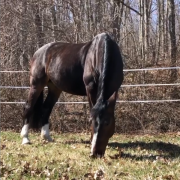
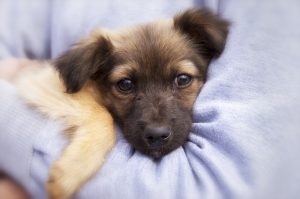
Mindfulness is all about “being in the moment” and creating our own state of being. When we live in the moment (instead of the past or the future), we enjoy:

  • Enhanced mental clarity.
  • Improved concentration; and
  • The ability to better relate to others.

Learn the “7 Practical Tips to Achieve a Positive Mindset” from the Success Magazine.


Keep reading to learn how to master mindfulness from the masters themselves.


Learn Mindfulness From Your Pets, the Masters!

Our Animals Live with Mindfulness NaturallyThe one thing most of us have at this moment is time. Spending quiet and quality time with our animals can help us fine-tune our skills in mindfulness. Our pets have this amazing ability to relax and soothe us by just being close! Whether you have a dog, cat, rabbit, horse, or some other animal you love, pets naturally transfer us from the stressful chaos of our lives into being in the moment with petting, grooming, or even just cuddling with them.

I love hanging out with Clifford my horse even when he’s just grazing in the pasture. He reminds me to focus on and appreciate Mother Nature. He leads by example by living in the moment, enjoying the fresh air and the warmth of the sunshine. He doesn’t have a care in the world; especially about what tomorrow may (or may not) bring! (Click on the image to enjoy Clifford’s video!)


Want to practice mindfulness with your dog? Click here to learn more from Harvard Medical School.

Our Pets Teach Us Mindfulness and EmpathyWhat would our pets tell us if they could talk? Perhaps that slowing down and being present in this very moment will help us find the mindfulness and peace our hearts and souls crave.
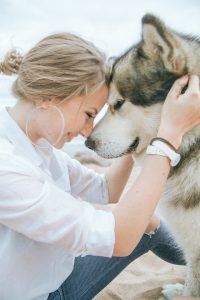
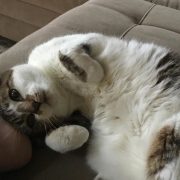
“With the awareness and empathy you build while taking care of your pet’s needs, you enhance your ability to be more mindful in everyday interaction with friends and strangers alike.” All About Cats, an Online Community for Cat Lovers

Imagine how that would help your life and interactions with your co-workers, friends and even family.

Use Your Pets to Learn and Practice Mindful Meditation by Focusing on Them

Meditate with Your Pet

Use your pet to learn and practice mindful meditation by focusing on the little things about them. Softly touch them and really notice how soft their fur, feathers or coat is beneath your fingertips. Watch and breathe along with them. Lose yourself by looking in your pet’s eyes. If you’re cuddling, feel their heartbeat along with your own.

This is what means to be in the moment, just being together and enjoying a sense of calm awareness. Practice this same kind of attention and focus in other parts of your life and know you can call peace, relaxation and mindfulness to you anytime no matter what is going on in the world.


Learn how to meditate with your pet to relieve stress (yours and theirs!) with this article from the Animal Wellness Magazine!


Grooming Your Pet Helps You (and them) Release Stress and Be in the MomentStay mindful, healthy and positive!

The simple act of grooming your pet can help you (and them) release pent-up stress and enjoy being in the moment with them.

The EquiGroomer tools make grooming easy and pain-free brushing with NO pulling or damage to your pet’s topcoat or skin. Happy, relaxed pets and owners.

For individual or bulk orders, call 860-573-0604 or click here to send us an email.


Additional Reading:

How Pets Can Sharpen Your Mindfulness Skills

Meditation for You and Your Pets

Mindfulness and Your Dog

How Pets Can Help You Meditate and Be More Mindful

Image Credits:

Image by Myriam Zilles from Pixabay 

Image by yogakalyanii from Pixabay 

Video: Courtesy of EquiGroomer on Instagram

Image by Angeles Balaguer from Pixabay 

Image by La Miko from Pexels

Image Courtesy of EquiGroomer

According to CNN, people are spending more time in the kitchen during the coronavirus pandemic for old-fashioned, homemade comfort! Be sure to include your pet with these healthy, DIY Pet Treats below!

Whether your pet is a dog, cat or horse, keep reading to find the perfect DIY Pet Treat recipe below with human-grade and healthy ingredients for the fraction of the cost of commercial treats! We promise you will be rewarded with purrs, licks and nudges!

Basic Ingredients Make Great Pet Treats

Homemade Treats for HorsesHorses Love Homemade Treats!

Carrots, apples and oats, oh my! What could be better for your horse than all his favorite foods in one treat?! Add some beneficial flax seed (high in Omega-3 fatty acids) for an irresistible treat that will also improve their coat!

Homemade Flax Horse Treats

1 cup ground flax seed

1 cup shredded carrots

1 cup shredded apple

2 cups quick oats

1-1/2 cups molasses

¾ cup water

½ cup brown sugar

Preheat oven at 350 degrees F.

Mix all ingredients together. More (or less) water may be needed depending on the consistency, it should be sticky. If it is too dry, add more water, a little at a time. If it is too runny, add some more flaxseed and rolled oats until the mixture sticks together.

Grease 2 cookie sheets. Using a spoon, make balls, about 2” wide and place on the greased cookie sheet. You can put them close together (but not touching) because they will not increase in size.

Bake the cookies at 350 degrees F for about 20 minutes.

Allow them to cool before removing from the cookie sheets and place them on a cooling rack or plate to thoroughly cool before feeding.


Find more horse treat recipes on these links:


Need some more inspiration for your human family?

Check out what others are creating on Facebook, Instagram and Twitter with #CoronavirusCooking!


Your Cat will Purr for Homemade Treats!Homemade Treats for Cats

Sardines are incredibly healthy for cats (and dogs). They are high in protein, rich in Omega-3 fatty acids and a variety of beneficial minerals including calcium, copper, iron and more. Preferably use sardines packed in water with no salt and share with Fido too!

Meow Yummy Sardine Treats (no bake!)

2 flat cans of sardines (do not drain)

2/3 cup cooked rice

1 tablespoon pureed liver

¼ cup chopped parsley

Combine all ingredients and mix well.

Shape into balls of desired size or simply spoon into a dish to serve. May be stored in the refrigerator for up to three days or frozen.


Find more cat treat recipes on these links:


Homemade Treats for DogsDIY Treats for Your Dog

Do you love gummy bears or other gummy candies? Time to share with your dog with this quick recipe with just TWO ingredients!

Chicken Gummy Paws Dog Treat Recipe (no bake!)

1 cup chicken or beef stock (low sodium)

2 tablespoons or packets of unflavored gelatin

In a small pot, bring the stock to a boil. Remove the pot from heat and let it cool for 3 minutes.

Whisk in gelatin until no clumps remain. Let the liquid cool off for a few minutes and pour into your favorite silicone molds or ice cube trays.

Refrigerate for several hours until set like Jello.

Want them faster? Put them in the freezer for about 90 minutes. NOTE: If you do freeze the treats, let them thaw before offering to your dog to avoid damaging his teeth.

Store treats in the refrigerator for up to two weeks or freeze for a couple of months.

Suggestions: Add mint, parsley, turmeric, pieces of fruit or veggies before refrigerating or freezing.


Find more dog treat recipes on these links:


Once your pet is full and happy with their homemade DIY Pet Treats, it’s the perfect time to groom them with our EquiGroomer grooming tools!

Stress-free, pain-free and injury-free grooming for you and your pet!

For Easy Grooming, Use the EquiGroomer Tools!

Order individual EquiGroomer tools or professional kits for your pet shop or tack shop, by calling 860-573-0604, sending us an email or visiting our website today!


Additional Reading:

The Horse: Horse-Approved Homemade Treat Recipes

Budget Equestrian: How to Make Homemade Horse Treats

Care.com: 10 Easy Homemade Treats Your Cat (and Instagram!) will Total Love

Must Love Cats: Homemade Cat Treats

Good Housekeeping: 12 Best Homemade Dog Treats to Make for Your Pup

 Puppy Leaks: 25 Simple Dog Treat Recipes


Image Credits (in order shown):

Steve Buissinne from Pixabay

Seksak Kerdkanno from Pixabay

Martina Seketa from Pixabay 

Felix Wolf from Pixabay

Alice Castro from Pexels

Product Image Courtesy of EquiGroomer

Refer a Friend

Refer a Friend