Welcome to the second part of keeping your pet healthy, happy, and safe this winter!

This new post focuses on protecting our cats and horses from winter pet challenges.

As we mentioned in our first blog (protecting dogs), our pets depend upon us to ensure their health, comfort, and safety, especially against winter pet challenges. Despite their fur coats, our pets are still challenged by the cold and wet of winter.

It’s critical to educate ourselves about the winter challenges for our pets. Keep reading to learn the tips for protecting cats and horses during winter.


Winter Pet Challenges: Cats
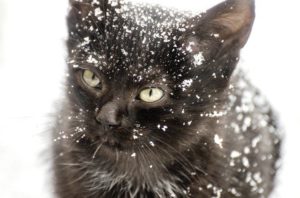
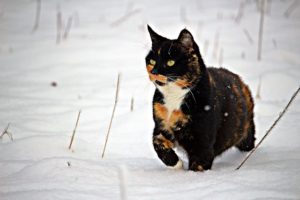
Never leave your feline out all winterIf you allow your feline to roam outside during the winter months, always watch the time (keep it short) and monitor their reactions to the cold. Do not let them out during the coldest times of the day or night.

Domestic felines (as opposed to feral felines) do not have coats to adequately protect them in winter.

  • Never leave your family cat outside all winter (even with a shelter).
  • Frostbite: Cats are highly susceptible to frostbite on their ears, nose, tail, and toes. Affected areas will be pale or bluish-white in color.Cats are very susceptible to frostbite! Immediately get your cat to your vet!
  • Hypothermia: If your feline begins to shiver outside, bring them inside immediately to prevent life-threatening hypothermia. Towel-dry them, including paws and toes.

Other signs of hypothermia may include unusual anxiety, crying, or lethargy.

NOTE: If your cat does not stop shivering in a reasonable amount of time, call or take your cat to your veterinarian!

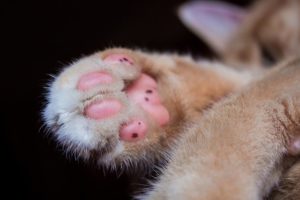
  • Paws & Toes: Check between the toes for frozen snow, ice, dirt, orUse olive oil or petroleum jelly on kitty paws rock salt (you don’t want your cat licking any de-icing agents or chemicals). Also, check the paws for cracks and cuts. Massage moisturizing petroleum jelly or olive oil into your feline’s paws and between the toes.

 AVOID cortisone cream, tea tree oil, or other essential oils on your cat’s paws without checking with your vet first!

  • Lean Protein: If your indoor cat spends regular time outside, feed them more lean protein.
  • Dry, Flaky, and Itchy Skin: Add a small amount of olive to the food (less is more to avoid an upset stomach). Using a home humidifier can also help.
  • Holiday Risks: During the holidays, remember holly and mistletoe are toxic to cats (and dogs).

Protecting Horses in Winter

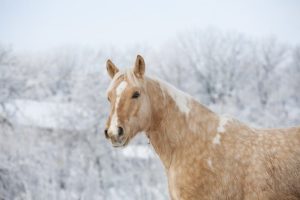
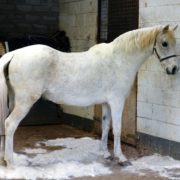
  • Shelter: During the winter, horses need access to a barn or, at a minimum, a three-sided structure to protect themselves.
  • Horse Blankets: Well-fitted blankets keep horses warm and dry.
    • Blanket horses in potential rain, ice, and/or freezing rain. But never put a blanket on a wet horse.
    • Body-clipped equines should be blanketed throughout the winter season.
    • Blankets should be used on very young/very old equines or those not yet acclimated to the cold.
    • Horses with a body condition score of three or less should always be blanketed.
  • Unfrozen Water: Ensure your horse’s access to unfrozen water. Horses need more water during the winter to prevent dehydrationHorses need more water during winter and colic.
    • Heated buckets, heaters, or de-icers will keep water from freezing. The University of Minnesota recommends warm water between 45° and 65° F. (Snow and ice are not adequate sources for water.)

Use the Henneke Body Condition Scoring for your Horse

  • Winter Feeding: Feeding your horse more (even unlimited) forage will create more heat and efficiently regulate their body temperature.
  • Special Care: If your horse requires special care during the summer months, that same care must be continued through the winter.
  • Equine Skin Care: Horses are prone to skin problems during the winter, including ringworm, lice, and mites. To learn more, click here: The Horse, “Winter Skin Problems.
  • Hoof Care: Keep up routine hoof care during the winter, including:
    • Trimming: Every 6 to 12 weeks.
    • Daily Picking: To remove packed ice or snow.
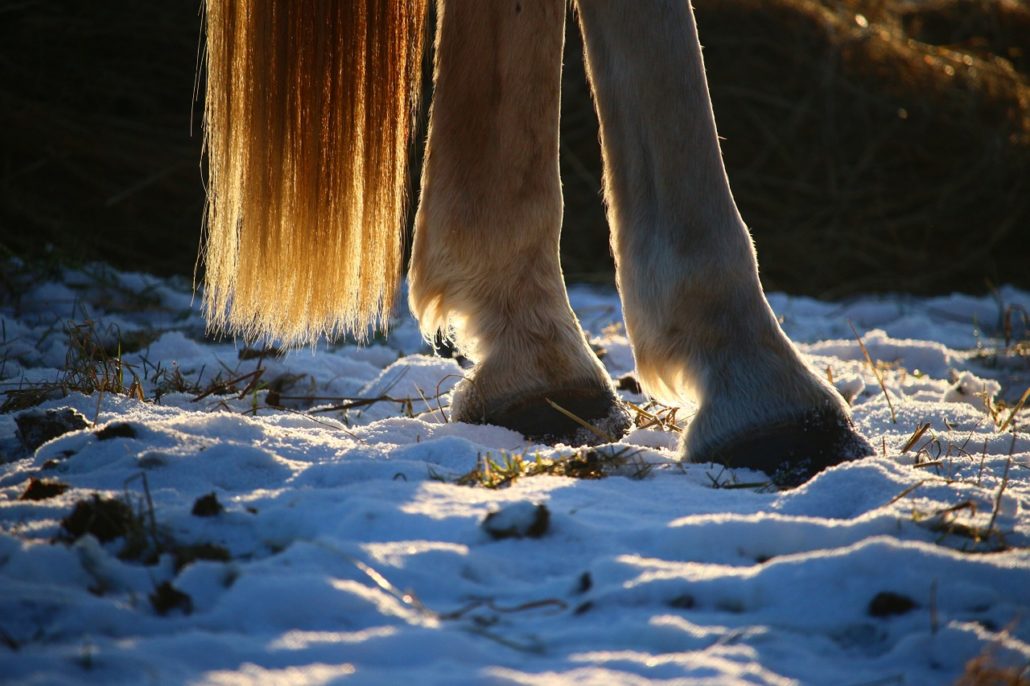
Hoof care is still critical during winter months


Additional Reading:

Five Ways to Protect Pets This Winter

Tips for Protecting Your Cat This Winter

Top 10 Winter Skin and Paw Care Tips

How to Care for a Cat’s Paws

Caring for Your Horse in the Winter

Tips to Protect Your Horse’s Skin in All Kinds of Weather

Winter Skin Problems

Under, Over, or Ideal (Henneke Body Condition Scoring Scale)

Product Images are Courtesy of EquiGroomer

It’s certainly a difficult and unusual time with the coronavirus. Especially for those with pets who require regular grooming.  Even with groomers closed, you must regularly groom your pet during coronavirus!


Despite the current state of the world, our pets need their overall well-beingConsistent Grooming is Essential During Coronavirus for You and Your Pets attended to regularly, daily. In this unprecedented time, our pet’s health is equally as important as our own! Our pets rely upon us daily to protect them and ensure their best health and quality of life. Also, during all the uncertainty, we need our beloved pets even more for their infinite love, support and companionship while we all self-quarantine.
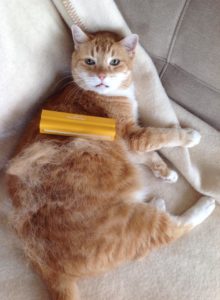
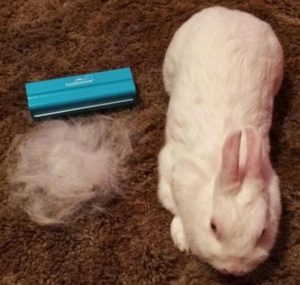
Since many groomers have been ordered to close as “non-essential” businesses, dogs, cats, and even rabbits still need to be groomed regularly and consistently for their overall comfort and health.


Consistent pet grooming involves 10 essential basics for ensuring physical and mental benefits. Click here to read/review our previous post.


No matter what is happening around us, regular brushing is essential to your pet’s overall hygiene, health, comfort and happiness. Our EquiGroomer grooming tools make the experience easier, more comfortable, and stress-free!


Regular Grooming Is Always Appropriate

Grooming Your Pet Also Benefits Your Stress With Coronavirus!By keeping up with your pet’s regular grooming, you can keep your pet’s coat in good shape, without painful matting, burrs and/or allergens. You can also address any potential health issues before they require a potentially stressful visit to your veterinarian during the shelter-in-place mandates.

By keeping up with your pet’s regular grooming, you can keep your pet’s coat in good shape, without painful matting, burrs and/or allergens. You can also address any potential health issues before they require a potentially stressful visit to your veterinarian during the shelter-in-place mandates.


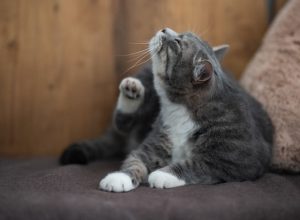
Brushing Your Pet Benefits You Too!

With all the uncertainty and “unknowns,” many of us may be feeling additional stress and a loss of control. Brushing your pet daily helps relax it and is also priceless when it comes to naturally reducing stress. Grooming your pet regularly during coronavirus will strengthen the bond between you and your precious pet.


Can Your Pet Get or Transmit Coronavirus?

There have been many rumors and misinformation about the coronavirus and domestic pets. So, we’d like to take a quick moment to address what you need to know.

  • While there IS a “coronavirus” for canines (called CCV or canine respiratory coronavirus) and felines (feline coronavirus), the current COVID-19 virus strain is not connected in any way.
  • The WHO, CDC, AVMA and AKC all agree there is no imminent threat from our pets for transmitting the Coronavirus. Please do not abandon your pet!
  • According to the AVMA, even petting a dog’s fur is considered low-risk because the virus survives best on smooth surfaces.
  • Your pet does not need a face mask for protection.
  • Groom your pet regularly during coronavirus to eliminate any chance of the virus being on your pet’s coat and to maintain the best possible hygiene in your home.


Coronavirus Update on Pets Video

For further information, watch the “COVID-19 Update on Pets” video with Rodney Habib, Dr. Karen Becker and Dr. Sarah Caddy of the University of Cambridge.


DIY: Pet-Safe & Natural Sanitizers

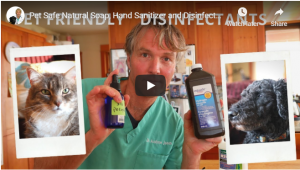
With the ongoing shortage of commercial sanitizers, you can make your own pet-safe products with the video below from Dr. Andrew Jones!

Use Pet-Safe and Natural Sanitizers During Coronavirus


Veterinarian Andrew Jones’ DIY Pet Safe Natural Soap, Hand Sanitizer & Disinfectant


As we all move through this uncertain time together, stay safe, healthy and positive!


Equigroomer Tools Makes Pet Grooming Easier!

The EquiGroomer tools offer easy and pain-free brushing with NO pulling or damage to your pet’s topcoat or skin.

For individual or bulk orders, call 860-573-0604 or click here to send us an email.


Additional Reading:

DIY Tips for Grooming a Dog at Home

Cat Grooming

Rabbit Grooming

Your Pets Unlikely to Get or Give Coronavirus

Can Pets Get Coronavirus (COVID-19) from Humans? Here’s What Vets Know

 Product Images are Courtesy of EquiGroomer

With freezing temperatures and dry winter air, the air inside our homes becomes even drier and that means winter challenges for our pets.

The Grooming Tools YOU Can’t Live Without this Winter!

With our pets spending more time inside during the winter months, you may begin noticing more sinus problems from built-up dander, dead hair and pet allergens!

The EquiGroomer Grooming Tools along with bathing can really help cut down on accumulating dead hair, pet dander and allergens inside your closed-up house!

For individual or bulk orders, call 860-573-0604 or click here to send us an email.

If there’s one thing we can commiserate with our pets, it’s dry winter air! With seasonally low humidity and constant heating, even humans are challenged with dry, flaky skin, respiratory problems like bronchitis, dried out, achy sinuses and sudden nosebleeds.

Imagine how your pet feels!

Winter Issues for Our Pets

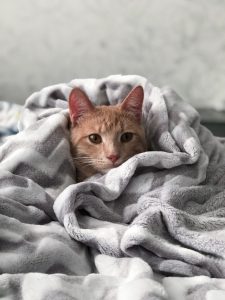
Dry winter air and even drier air inside cause real challenges to our pet’s overall health. Issues like:Cats Suffer from Dry Winter Skin

  • Dry skin;
  • Dandruff;
  • Itching; and
  • Static electricity.

To help address the challenges from dry winter air, use a humidifier to put moisture (humidity) back into your home.

Want to avoid buying an expensive humidifier? Try water-filled vases on windowsills exposed to sunlight, boil a tea kettle on the stovetop and place metal or ceramic bowls of water on heat radiators or registers.


Reduce static electricity by dusting with a non-static dryer sheet – wipe down furniture too.


Keep reading to learn other effective remedies to help keep your pets comfortable despite the dry winter air.

Dry Winter Air: Canines

Even with the extra protection of their fur coat, canines are still challenged by dry winter air and the effects on their skin can be exacerbated by regularly going in and outdoors.


 “Excessively dry skin on your dog will manifest itself in ways you might expect, such as dandruff-like flaking and brittle hair. But excessive scaling … could be a sign of a bacterial skin infection, which requires veterinary attention for treatment.”

(Dr. Nicole A. Heinrich, Veterinarian, McKeever Dermatology Clinics)


Remedies:

  1. Dog-friendly topical moisturizers (weekly or every other week; ask your vet)
  2. Increased brushing to stimulate and distribute the skin’s natural oils
  3. Vitamin E oil for dry noses
  4. Limited bathing with a dog shampoo/rinse with soothing moisturizers like oatmeal and aloe vera
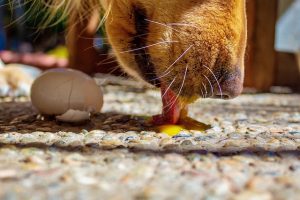
  5. Increased Essential Fatty Acids (note: always speak with your vet first):Raw Eggs Can Help Your Dog's Dry Skin
    • For conditioned skin:
      • Zinc & Vitamin A
      • Raw eggs
      • Sardines & Herrings
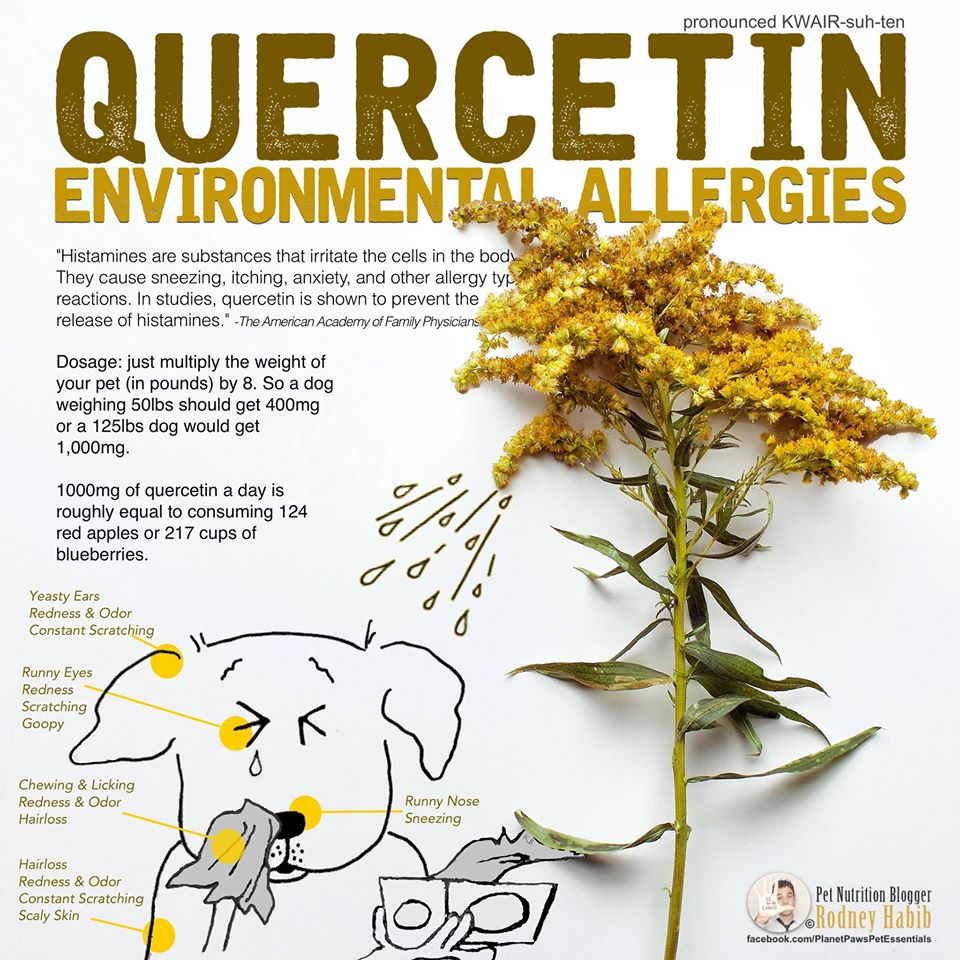
    • For mild, seasonal allergies like dust mites, human dander, cotton, wool and mold. Antihistamines can be sparingly used (like Benadryl), but the natural alternative, Quercetin or Quercetin Bromelain, is much safer for dogs. Quercetin is part of a group of natural, water-soluble plant pigments called flavonoids. (Long-term use of OTC products like Benadryl (specifically the ingredient diphenhydramine) may cause dementia in dogs and humans.)
Quercetin is Nature's Form of Benadryl
Courtesy: Rodney Habib, Pet Nutrition Blogger

Dry Winter Air: Felines

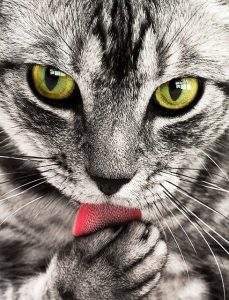
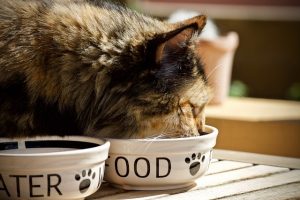
Good Nutrition and Hydration Help Cat's Dry SkinJust like their canine friends, our felines are just as susceptible to winter dryness. But excessive itchiness and scratching can lead to unwanted infections and wounds for your cat. Below are some remedies to keep your cat’s skin well-conditioned.
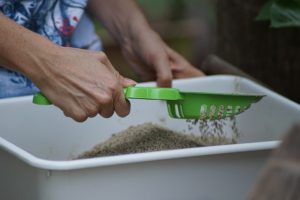
“Good nutrition is essential for your cat’s healthy skin and coat … along with good hydration for the optimal function of every feline organ including her skin.” (iheartcats.com)

Remedies:

  1. Increased brushing to stimulate and distribute the skin’s natural oils. Avoid bathing your cat in winter.
  2. Increased Omega-3 Fatty Acids (note: always speak with your vet first).
  3. Vitamin E.
  4. Feed a high-quality cat food with a high content of water.
  5. Add olive, fish, krill and mussel and coconut oils to food (coconut oil can also be massaged into the fur). Do not use grapeseed or flaxseed oil, cats cannot properly process these oils.
  6. Cats can also suffer from seasonal allergies. Like dogs, cats can be given an OTC antihistamine. But the natural alternative, Quercetin or Quercetin Bromelain, is much safer.

With some proactive care and remedies along with your vet’s advice, you and your pets can comfortably enjoy the winter season!


Additional Reading:

6 Tips for Treating Your Dog’s Dry Winter Skin

6 Tips for Your Cat’s Dry Winter Skin

6 Tips for Keeping Your Dog’s Skin and Coat Healthy during the Winter Months

Nature’s Benadryl: Quercetin

Cats with Dry Skin – Best Natural Remedies for Dry Skin in Cats

Image Credits:

Image by JacLou DL from Pixabay 

Photo by Buenosia Carol from Pexels

Image by Nicholas Demetriades from Pixabay 

Image by Rodney Habib, Pet Nutrition Blogger

Photo by Tatiana Azatskaya from Pexels

Product Image: Courtesy of EquiGroomer

February is the month of love and National Cat Health Month! It’s the purr-fect time to show your feline some extra love!

Below are the top 4 demands on your cat’s wish list for a happy and healthy life!


Try a new litter box for National Cat Health MonthChange My Litter!

Do you hate cleaning your cat’s dirty litter? You’re not alone!

Maybe it’s time to shop for a new litter box both you and your cat will love! From automatic, self-cleaning boxes to fashionable and hidden boxes, The Strategist by the New York magazine, has got you (and your cat) covered!

Click here to check out the top 9 litter boxes of 2019 according to veterinarians and rescuers.

Spoil Me with the Best Healthy Treats!

All pets enjoy yummy treats including your resident cat! The best (andNational Cat Health Month means high quality protein treats healthy) kitty treats contain:

  • High-quality animal protein instead of by-products or meat meal
  • No added fillers:
    • Corn, wheat, soy, sugar or sweeteners or sodium
  • No added artificial flavors, preservatives or dyes:
    • BHA, BHT and ethoxyquin; glycerin (vegetable glycerin is safe)

Look for natural preservatives like Vitamin E (tocopherol) and Vitamin C (ascorbic acid)

From freeze-dried treats to kibble toppers, fish flakes to rich, nutritious bone broth, your cat will meow with pleasure with these vetted treats!

Click here to check out the best cat treats of 2019 as recommended by veterinarians and discriminating kitties.


Want to show your love with a homemade and organic cat treat? Make your cat purr with delight with Homemade Organic Spinach and Chicken Cat Treats containing organic catnip by Sarah Lipoff at POPSUGAR Pets! 

(Note: Swap out the chicken for organic salmon or tuna instead.)


Feed a high quality diet for your cat's best healthFeed Me a High-Quality Diet!

Your cat’s diet is the foundation of his overall and optimal well-being. Following the guidelines below with help your feline enjoy a long, healthy and comfortable life.

  • Primarily high-quality animal meat/organ protein
  • Water-rich food instead of dry kibble
  • Moderate level of fat
  • Low carbohydrates (less than 10% carbohydrate calories)


Groom, Rub and Love Me!

While most cats seem to do a good job of grooming themselves, it’s still very important to regularly groom your cat.

  1. Regular brushing will help keep your cat’s fur well-conditioned with natural oils, avoid painful tangles and mats as well as keep the skin clean and irritant-free. (Look for bald patches, signs of fleas, ticks or other parasites and unusual bumps, wounds, infections or tenderness.)
  2. Daily brushing helps cut down on hairballs from excess fur.
  3. Regular grooming can help detect any potential issues early.

Both grooming and massaging will help your cat relax and naturally strengthens the bond between you.  Massaging should start with the areas your cat already enjoys being touched with slow, soft and gentle strokes down their back, slow circular motions on the shoulders, rubbing behind the ears and under the chin. While some cats hate having their paws touched, others love having the center pad of each paw gently rubbed. (It’s also a great time to moisturize dry, itchy or cracked pads too!)

Regularly groom and massage your feline


The Perfect National Cat Health Month gift!The Giftbag Your Feline Can’t Live Without!
Effectively grooming your cat needs the right tools to gently brush the hair and remove any dead undercoat without discomfort.

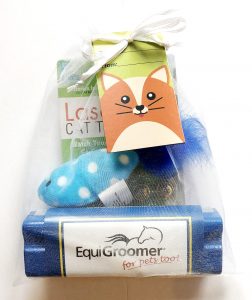
The EquiGroomer’s Gift Bag for Cats includes a 5” grooming tool for painlessly and easily removing dead hair, dust and coat dander. Also included is a laser pointer and cat toy for hours of feline fun! The purr-fect gift to show your cat some extra love!


For individual or bulk orders, call 860-573-0604 or click here to send us an email.


Additional Reading:

National Cat Health Month

February is National Cat Health Month

Feeding Your Cat: Know the Basics of Feline Nutrition

Cat Food – Nutritional Composition

Cat Grooming

How to Give Your Cat the Best Massage Ever

Image Credits:

Image by StockSnap from Pixabay 

Photo by chatchawarn loetsupan from Pexels

Image by ArtTower from Pixabay 

Image by Luisella Planeta Leoni from Pixabay 

Photo by Pixabay from Pexels

Product Image: Courtesy of EquiGroomer

Dogs are For Life, Not Just Holidays

Oh, those heart-tugging commercials encouraging giving pets as holiday gifts. But dogs are not just another package under the tree; dogs are for life!


The Reality of Giving Pets as Holiday Gifts

They may be one of the easiest gifts to buy, but sadly many of these holiday pets are given up once the holidays are over and life returns to normal leaving little time for a new dog or cat in the household.  But dogs are not just another wrapped Christmas gift; dogs are for life!


“Dog ownership is wonderful, and we aren’t saying don’t get a dog, we’re just asking that people are sure they are ready for the long-term commitment that comes with it.” 
Owen Sharp, Dogs Trust (UK) Chief Executive


The statistics show a peak in the first few months of the new year of people surrendering puppies – or other pets – they received as gifts over the holiday. Just like the new toys and gifts quickly forgotten and tossed aside, the excitement and interest over a new puppy or dog begins to fade and new owners are overwhelmed with the responsibility for that once-adorable canine or feline.

Dogs are for LifeClick here to watch the new ad from the UK Dogs Trust: “A dog is for life, not just for Christmas.”

6 Reasons Why Christmas Pets are a Bad Idea

Owning a Pet is a Family DecisionOwning a Pet Is a Family Decision

Having a pet is a family responsibility. So, it stands to reason that the decision should be made as a family because everyone will need to care for the new addition.

Impulse Buys are Usually a Bad Idea

We’ve all made impulse buys just to regret them later. Involving an innocent and helpless animal in an impulse buy is rarely a good idea.

Pets Should NOT be a Surprise

Pet ownership is a commitment and should be planned before a new pet comes home. This also includes preparing children to not view a pet as simply a new toy.

A Dog (or any pet) is a Lifetime Commitment

Pets represent a lifetime responsibility. Most pets live anywhere fromAll Pets are a Lifetime Commitment 10-20 years (and even longer). So, people should adopt their own pets when they are ready for the commitment with time, finances and training.

Even Cute Pets Turn Your World Upside Down

Life changes considerably with the addition of a pet. New schedules and routines need to be organized and followed day-in and day-out for the pet’s entire lifespan. There’s no holiday from taking care of your new dog or cat.

New Pets Should be Brought into a Calm Home

Holidays are hectic, busy and often stressful. This is not the time toNew Pets Need a Calm Home bring a new puppy, kitten or even older pet into the home. There are also additional risks for pets at the holidays including decorations, lights, candles, trees, strangers, rich foods and snacks and alcoholic drinks. Holidays can be just as overwhelming and stressful for pets especially in a brand-new home with people they have not bonded with.

Still Want to Gift a Pet? Do This Instead!Always Adopt Don't Shop

Give a gift certificate to a local shelter or rescue. This allows the recipient to properly prepare themselves, their life and home for pet ownership in advance.

They also get to choose the pet of their choice which best fits their lifestyle and expectations for a happy and successful adoption!

A Final Note

If you DO decide to go ahead with giving a pet as a holiday gift, please do not patronize irresponsible backyard breeders, puppy mills or pet stores. Adopt a pet from a local shelter or rescue and give them a second chance at a better life.


Buy our Discounted Gift Bags for the HolidaysNeed Stocking Stuffers for the dog lovers in YOUR life?
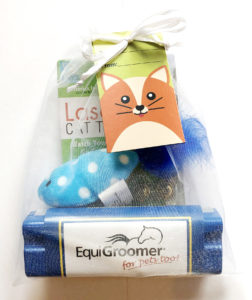
Give the gift that keeps on giving throughout the year! The EquiGroomer tools offer easy brushing of your pet without pulling, discomfort or damage to your pet’s topcoat or skin.

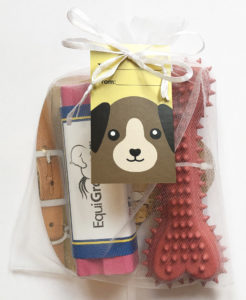
The EquiGroomer gift bag is the perfect holiday gift for the pets and pet lovers in your life!


For individual or bulk orders, call 860-573-0604 or click here to send us an email.


Additional Reading:

Christmas Advert About Dogs Given as Gifts

True Dog Lovers Don’t Buy Puppies as Christmas Gifts

Why You Shouldn’t Give Pets as Gifts this Christmas

10 Reasons Why Not to Get a Puppy this Christmas

5 Reasons Not to Give a Pet as a Christmas Gift this Year

ISPCA Urges Public Not to Buy or Give Puppies as Presents for Christmas

Image Credits:

Image by jwvein from Pixabay 

Photo by Derick Santos from Pexels

Image by Anja Kiefer from Pixabay 

Image by Pexels from Pixabay 

Image by Pexels from Pixabay

Product Images are Courtesy of EquiGroomer

Protect Your Horse During Winter

Winter is approaching, with fewer daylight hours, colder temperatures, and stormy weather.
Are you ready to protect your pets from the challenges of winter?

Every pet depends upon their owners to ensure their health, safety and wellness, especially during the winter!

Winter Poses Unique Challenges for Pet Wellness

Protect Your Cat in WinterBy educating ourselves about the unique challenges of winter, including wet, stormy, and freezing weather, pet owners can effectively keep their pets comfortable and safe while also preventing illness – or worse – for their beloved animal companion.

“It’s important to remember that, despite their fur coats, pets can suffer from the cold just like we do. So, it’s up to us to make sure we provide the extra care they need during colder weather.” Nina Downing, Vet Nurse of the UK’s People’s Dispensary for Sick Animals (or PDSA)

Unfortunately, our pets cannot vocalize how they are feeling, whether they are sick or even suffering (and most pets will try to hide sickness or pain). Keep reading about how to best protect your canine friend from the dangers of winter!

(Our next blog post, at the end of November, will cover protecting both felines and equines.)

The Rules of Winter: Dogs

Despite the appearance of an impressive winter coat on many dogs, they still get wet and chilled. All dogs should always have access to an inside shelter for warmth, safety, well-being, and protection.

  1. NEVER Leave Dogs …

They should be kept in cars, in the backs of pickup trucks, or anywhere that is unheated to protect themselves from dangerous hypothermia.

  1. Use Coats & Boots

Is your dog very young or old? Are they sick? Or do they have a very thin coat of hair?

    • A well-fitted, waterproof coat can help protect dogs who are vulnerable.
    • Properly fitted dog boots can also be helpful in protecting tender paws.
  1. Maintain Regular Brushing

Maintain your dog’s regular brushing to help stimulate and distribute natural oils to combat your pet’s dry and itchy skin from winter’s cold and dry air.

  1. Limit Time Outside

Dogs will still need daily walks but never keep them outside for long periods of time. Even the hardiest canine who loves the snow canDog Paws Are Sensitive to Snow suffer negative effects from extended exposure to snow, ice and plummeting temperatures. It’s better to go out more often for shorter lengths of time. If your dog begins regularly lifting his paw(s), it’s time to go inside, warm up and check his paws.

  1. After Being Outside

After coming inside, immediately:

    • Towel-dry a wet dog (or cat).
    • If they have longer hair, use a blow-dryer (on a LOW setting at a comfortable distance) to completely dry them.
    • Carefully check their paws (especially between the toes) and remove any:
      • Frozen snow/ice
      • Commercial ice melt products
      • Salt
      • Grit or dirt

These can cause unwanted friction and subsequent pain for your dog. You also do not want your dog licking or ingesting any of the caustic items.

    • Gently massage paws (and between the toes) with a pet-friendly and food-grade wax or balm to heal and protect cracked pads and irritated skin. (You can also use this in hot weather.) For additional protection, use it on cracked noses!

Protect Dogs Paws and Noses this Winter


Want to make your own Paw Wax with healthy and safe ingredients?

Watch the DIY video from Rodney Habib here

 ~ OR ~

 Use the homemade Paw Balm recipe for dogs from Christina Walker

on her Everyday Dog Mom blog!


REMINDER
:
Come back for our next blog post, at the end of November,

to learn the best winter tips for protecting both cats and horses.


 Remember regular grooming is important even during winter months!

Winter’s cold and dry air can lead to dry and itchy skin for your pet. Regular grooming helps stimulate and distribute natural oils in their skin.

The EquiGroomer offers easy brushing with NO pulling, discomfort or damage to your pet’s topcoat or skin.

Get $5 Off our Gift Bags for the Holidays

Buy A Gift Bag for Your Cat

Buy a Gift Bag for Your Dog


The EquiGroomer gift bag is the perfect holiday gift for the pets 
and pet lovers in your life!

(Just click on an image to order – cat or dog.)

For individual or bulk orders, call 860-573-0604 or click here to send us an email.


Additional Reading:

Keeping Pets Safe and Healthy Over Winter

Keep Your Furry Friends Safe with These 9 Winter Pet Safety Tips

12 Coziest Dog Coats for Winter

Caring for Your Horse in the Winter

Product Images are Courtesy of EquiGroomer

The wellness of the animals in our lives depends upon us. Every October is National Pet Wellness Month, but pet wellness lasts long beyond the month of October!

Happy pets enjoy optimal well-being, health and comfort. Throughout all the stages of their lives, our pets depend upon us to ensure not only their best daily care but proactive care as well.


The Stages of Aging

By the age of seven, dogs are considered seniors.Each stage of your pet’s life has its own requirements for well-being. The needs of a puppy, kitten or foal will be different from an adult or senior. So, it’s important to focus on the specific wellness needs and effective preventative care for their age, breed, health history and potential aging challenges.


“By the age of two, most dogs and cats have already reached adulthood.

By the time they reach age four, they’re considered middle-aged.

At the age of seven, many dogs have already started their senior years.

— American Veterinary Medical Association (AVMA)


Horses enjoy a much longer life span, reaching adulthood around 5, middle age by the age of 13, and are considered seniors around the age of 20. (Source: Equine Resources International)


Pet Wellness: Be Proactive

Your pet’s overall well-being and preventative care should regularly include the following 3 areas with your veterinarian’s support.

 Wellness Exams

  • Annual: Wellness exams every year for younger dogs and cats.
  • Bi-Annual: Six-month wellness exams for senior pets: Equines need bi-annual wellness exams.
    • Cats: Around 8-10 years old
    • Dogs: Around 6-8 years of life (larger breed K9s age faster)
    • Horses: Along with routine vaccinations in the spring and fall
  • Your pet’s healthy weight helps ward off serious health conditions like:
    • Diabetes;
    • Osteoarthritis;
    • Chronic inflammation; and
    • Other potential issues and diseases.
  • Vaccinations including core (yearly) and non-core inoculations.
  • Parasite Prevention (external and internal):
    • Ticks & Fleas
    • Heartworms
    • Worms
  • Spaying and Neutering

Dental Exams

Chronic dental disease can create and spread inflammation throughout your pet’s body, creating other health challenges. Maintaining good oral hygiene minimizes the formation of tartar, plaque and gingivitis and in turn, additional inflammation in the body. While 1 in 3 pet owners assume bad breath is “normal” for their pet, the reality is it’s a sign of potentially painful and harmful oral disease. (Source: YourHomeTownVet.com)

Blood and Lab Work Baselines help monitor your pet's health.

Blood and lab work done on younger pets helps establish a baseline or “normal” for your pet. Later changes in their health or potential disease can then be easily detected and proactively addressed.


Pet Wellness: Daily Care Practices

Between the recommended annual and bi-annual pet wellness needs, daily pet wellness includes:

  • Regular exercise (appropriate for the age, breed and health history);
  • High-quality nutrition (based on the breed, age and level of activity);
  • Consistent grooming (including teeth brushing);
  • Effective pet identification (tags, microchips and tattoos); and
  • Quality, one-on-one time.Always work with your vet for your pet's best well-being.

Regular and proactive wellness care helps ensure a healthier and longer lifespan for your pet while ensuring its best quality of life and comfort. It also helps you, the owner, better manage healthcare costs by proactively addressing and preventing potential and costly health issues.

If you’re unsure about:

  • How much daily exercise your pet needs;
  • The nutritional needs for your pet; or
  • Any other aspect of their regular well-being, then 

talk to your veterinarian to set up an appropriate well-being plan to address your pet’s needs for a happy and healthy life throughout the year! 


EquiGroomer Products

Remember, regular grooming is important for your pet’s optimum wellness!

Finding and using the right tool, like the EquiGroomer products, will help make the experience easier, gentler and stress-free for both you and your pet!

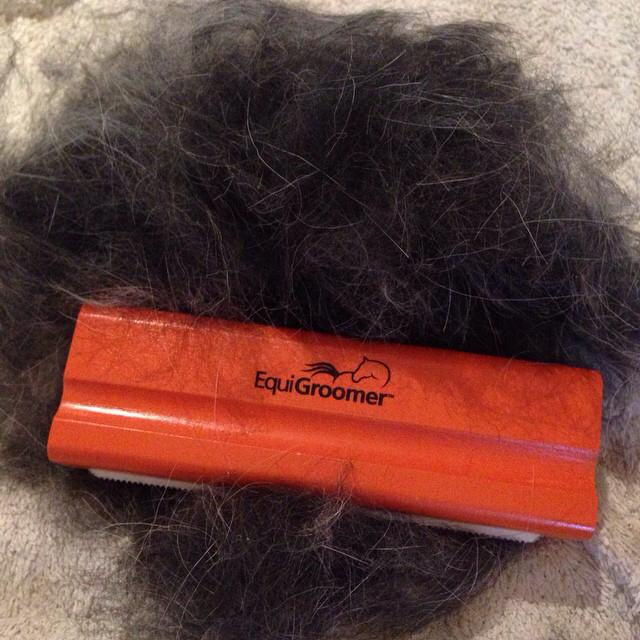
 Try our EquiGroomer for easy brushing that does not pull, discomfort, or damage your pet’s topcoat or skin.

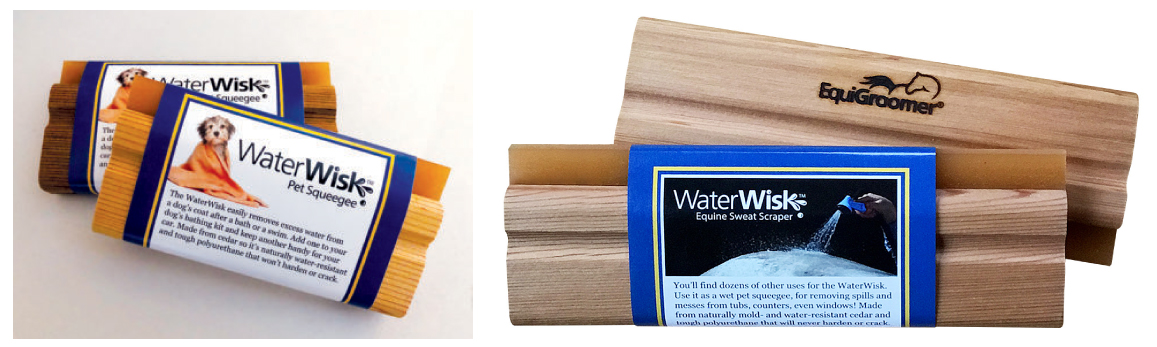
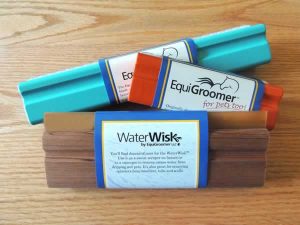
Also, add our WaterWisk Pet Squeegee and Sweat Scraper to your pet’s bathing routine!

EquiGroomer Products

For individual or bulk orders, call 860-573-0604 or click here to send us an email.


Additional Reading:

October is National Pet Wellness Month (AVMA)

October is National Pet Wellness Month

Annual Wellness Exams for Horses

Image Credits:

Image by EquiGroomer

Image by Gabriela Neumeier from Pixabay 

Image Courtesy of Pexels.com

Image by skeeze from Pixabay 

Photo by Charles from Pexels

Product Images are Courtesy of EquiGroomer

Regular pet grooming is a wonderful and natural experience that not only cares for their coat but also serves as a powerful bonding experience between you and your pet.

Grooming is so much more than a show-worthy coat.

Brush Your Horse With EquiGroomer

Our canines, felines, equines, rabbits (and other pets) depend upon us for their best possible life. A vital part of caring for their overall health includes regular pet grooming to maintain their overall comfort with healthy skin, a shiny and soft coat and new hair growth between bathing.


The Essentials of Grooming: Brushing

“One of the first indications that all is not well inside is a change of hair coat and skin. Also check for lumps, bumps, and overall body condition.” (Bernadine Cruz, DVM)

Brushing your pet’s coat several times a week or more offers many physical and mental benefits.

  1. Proper and consistent brushing helps cut down on Rabbits Need Regular Brushinghairballs for cats (as well as rabbits and yes, even some dogs!).
  2. Did you know that a kitty’s skin is much thinner and more sensitive to tangles and mats? In fact, out-of-control mats can hinder your cat from properly resting or even lying down in some positions without discomfort and pain. (A rabbit’s skin is also quite sensitive and fragile.)
  3. Brushing removes loose hair, dust, mud, dirt and dander.
  4. Brushing helps reduce shedding.
  5. Brushing helps distribute essential natural skin oils throughout the pet’s coat.
  6. Brushing your horse before riding will remove any grit that could cause saddle or girth sores.
  7. Brushing offers the opportunity to catch potential health issues early which may help save on costly vet visits for:
    • Skin issues including infections, irritations and/or inflammationsEven Cats Love the EquiGroomer
    • Lumps and bumps
    • Injuries
    • Matted and/or tangled hair
    • Burrs
    • Ticks, Mites, Fleas and “flea dirt” (aka flea poop)
  8. Removing old hair keeps your dog cooler in the summer and warmer in the winter with a new insulating undercoat.
  9. Brushing helps reduce human allergies to dander.
  10. Brushing relaxes both you and your pet with this wonderful bonding routine. It also helps reduce stress (yours and theirs).


Brushing Different Types of Coats

Double-Coats:

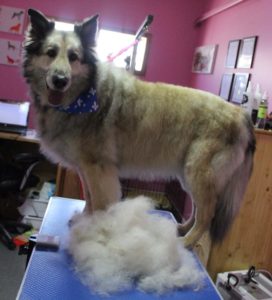
  • Breeds:  Akita, Alaskan and Siberian Husky, Malamute, American Eskimo, Chow, Collies, Keeshonden, Beagles, Korean Jindo,Groom Your K9 With EquiGroomer Pomeranian, Corgi, Puli, Leonberger, Golden Retriever and Shiba Inu
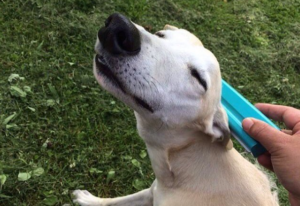
  • Beneath the top layer of long hair is a soft downy undercoat that acts as insulation in cold and hot months.
  • The down undercoat can mat and tangle if not regularly maintained. An unmanaged undercoat can also cause your dog to overheat.

Silky-Coats:

  • Breeds: Afghan Hounds, Yorkies, Setters, Cockers, Pekingese and Maltese
  • Tangles and mats in these breeds are common without constant brushing.

Curly & Wiry Coats:

  • Breeds: Schnauzer, Dachshund, Poodle, Bichon and Terrier
  • These coats require regular brushing to stop mats from developing.
  • Coats need to be hand-stripped twice a year or regularly clipped.

Shorthaired Coats:

  • Breeds: American Foxhound, Australian Cattle Dog, Australian Terrier, Basset Hound, Basenji, Coonhound, Bloodhound, Lab and Pug
  • Coats require weekly grooming to keep the skin and coat in its optimum condition.

Dogs Love Being Groomed by the EquiGroomerRegular brushing is essential to your pet’s overall hygiene, health, comfort and happiness.

Also, finding and using the right tool, like the EquiGroomer products, will help make the experience easier, gentler and stress-free for both you and your pet!


EquiGroomer, A Grooming Tool for Horses, Dogs, Cats, Other Pets and Livestock!

EquiGroomer Products

 More than a shedding blade, it gently grabs dead, loose & shedding hair by the ends.

Which means NO pulling, discomfort or damage to your pet’s topcoat or skin!


Try These Grooming Tools:

EquiGroomer Groomer's 10-piece kit

EquiGroomer (In 5-inch and 9-inch sizes)

WaterWisk Pet Squeegee/Sweat Scraper (In 5-inch and 7-inch sizes)

For individual or bulk orders, call 860-573-0604 or click here to send us an email.


Additional Reading:

Pet Care: Why Grooming is Important

Why Grooming Your Dog Is Great for His Health

7 Reasons Why You Should Brush Your Dog’s Coat on a Regular Basis

How to Groom a Rabbit (Complete Brushing Guide)

How to Groom Your Horse

5 Ways to Save on Vet Costs


Image Credits:

All images are the courtesy of EquiGroomer.

Refer a Friend

Refer a Friend