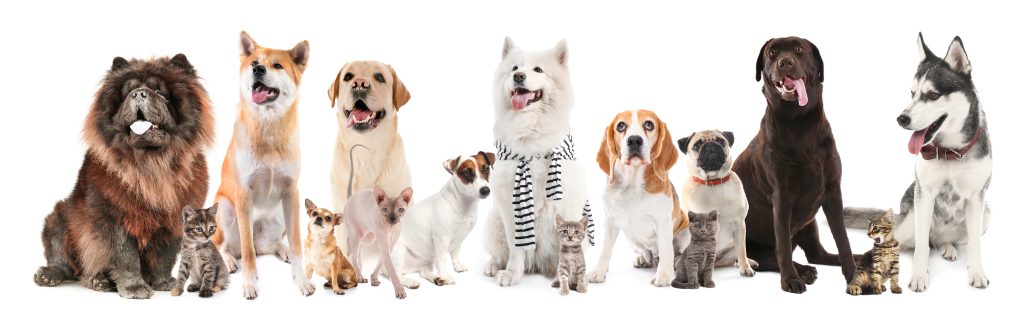
Easter is around the corner and that means extra effort in protecting your pets from Easter dangers!

Keep reading below to learn about the potential dangers
associated with Easter for our dogs and cats.

Easter Dangers for Cats and Dogs

In a nutshell, there are 5 specific dangers during Easter putting both canines and felines at risk! These dangers include:

  • Chocolate
  • Holiday Plants
  • Easter Baskets
  • Holiday Foods
  • Egg Dyes & Food Colorings

By understanding these dangers before the holiday, you can proactively protect your pet’s overall health and well-being! Nothing ruins a holiday like an unplanned, mad dash to an emergency veterinarian!

Next, let’s review each of these dangers separately for both canines and felines.

Easter Danger: Chocolate

Hands Holding Fresh Cacao Beans and Easter Danger to Pets
Hands Holding Fresh Cacao Beans

Most dog owners know that chocolate is toxic to dogs. But did you also know that chocolate is not cat-friendly?

Chocolate is made from the roasted seeds of the cacao plant and contains caffeine and theobromine ingredients posing a toxic risk to dogs and cats.

Caffeine: It may come as a surprise to pet owners that dogs and cats are more sensitive to caffeine than their humans! So much so that without immediate treatment, large ingestions of caffeine can be fatal to dogs and cats. Even with treatment, caffeine can damage organs including the:

  • Liver.
  • Heart.
  • Kidneys.
  • Lungs; and
  • Nervous system.
One Large and 2 Small Chocolate Bunnies Wrapped in Gold Foil. These also pose an Easter Danger to pets.
Chocolate Bunnies Wrapped in Gold Foil

Theobromine: This natural compound (and toxin) is also found in cocoa and chocolate. It is also a close chemical relative of caffeine!


Note: while carob is often substituted for chocolate, and the amount of theobromine is lower, most vets recommend against feeding carob to your dog.


In conclusion, keep all chocolate and caffeine-containing products including:

  • Teas and coffees.
  • Coffee-flavored ice creams and liqueurs.
  • Chocolate-covered coffee beans.
  • Sodas and energy/sports drinks; and
  • Diet pills and pain medications.

up and away from your feline and canine! Also remember, the darker (and more bitter) the chocolate, the more dangerous it is to your pets!

Suspect your dog or cat has eaten chocolate?

Contact your veterinarian immediately!

Easter Dangers: Holiday Plants

A Single White Easter Lily

Another common danger involves Easter plants! While you may already know that many lilies are toxic to our felines (including the water a lily is sitting in!), the ASPCA reveals these other lilies (and other plants) are also toxic to dogs!

  • Peace Lily
  • Calla Lily
  • Palm Lily
  • Amaryllis
  • Autumn and Spring Crocus
  • Lily of the Valley
  • Tulips
  • Daffodils

Easter Danger: Easter Baskets

Kids love Easter Baskets and so do your curious pets! Sweet-smelling treats, colorful eggs, small plastic toys and pretty plastic grass all capture your dog or cat’s attention! Unfortunately, these things also pose serious choking, obstruction and blockage dangers which may require immediate veterinary surgery to save your pet’s life.

Keep all Easter baskets out of reach of curious noses and mouths when you can’t supervise your nosy pet!

Easter Dangers: Holiday Foods

One of the best parts of any holiday is the food! But be mindful of which foods your pets should never sample or eat!

A Small Bunch of Fresh Scallions
  • Easter Delicacies: Hot cross buns and Simnel cake.
  • Onions & Chives.
  • Leeks & Scallions.
  • Mashed potatoes.
  • Macadamia nuts.
  • Desserts & candy containing xylitol (a toxic, but popular artificial sweetener).
  • Fatty foods or meats including ham and lamb (including bones!).
  • All alcoholic beverages!

Easter Dangers: Dyes & Food Colorings

Brightly Colored Easter Eggs in a Nest

Dyeing Easter eggs is an age-old tradition! But what you need to know first is that not all dyes or food colorings (AFCs) are safe for your dog (or family!). Before you use any dyes or food colorings, read the labels and ensure they are non-toxic and safe for consumption.

AVOID the 4 artificial food colorings below to prevent toxic side effects (allergies, negative K9 behaviors and even cancer) in your dog!

  • Blue 2
  • Yellow 5
  • Yellow 6
  • Red 40

The WaterWisk Pet Squeegee Grooming Tool
Two WaterWisk Bathing Tools by EquiGroomer

Spring Grooming is Here!

Save the time and mess with our WaterWisk 5-inch Pet Squeegee!

Naturally Water-and Mold-Resistant!

We guarantee your dog, cat, horse and other pets or livestock will LOVE The EquiGroomer Grooming Tools!


For individual or bulk orders, call 860-573-0604 or click here to send us an email.

If there’s one thing all pet guardians can agree on it’s our precious pets never live long enough! While there are “average” life spans for cats, dogs and horses,
there are many factors that ultimately affect the
actual time they spend with us!

Pet Life Spans

If pet parents had their say, our pets would remain with us forever! But what are the “average” life spans for the dogs, cats and horses who share our life? According to PetHelpful.com:

At a quick glance, below are the average pet life spans for canines, felines and equines.

Dogs: Average Life Span

Senior Yellow Lab with White Face
Older Yellow Lab with White Face

Small dogs: < 20 lbs.

  • 13 years (Chihuahuas are known to live up to 20 years)

Medium Dogs: 20-89 lbs.

  • 11 years (Oldest dog: 29 years old, an Australian Cattle Dog)

Large Dogs: 90+ lbs.

  • 8 years (Spayed/neutered dogs live longer)

PetCareRX: A Dog Years Chart by Breed

Dogs with the Shortest Lifespan


Old Yellow Cat
Senior Yellow Cat

Cats: Average Life Span

Indoors Only

  • 12-28 years (Oldest cat: 28 years old)

Outdoors Only

  • 2-5 years (Due to high exposure to illness, injury and disease)

PetCareRX: Average Lifespan of a Cat Breed Chart

Newsweek: 20 Cat Breeds with the Shortest Lifespans


Horses: Average Life Span

Two Wild Horses Nuzzling Each Other
Wild Horses Nuzzling Each Other

Deep Hollow Ranch: Horse Longevity by Breed

Deep Hollow Ranch: The Oldest Horses Worldwide


The Factors Behind Pet Life Spans

While there are “average life expectancies” for each kind of pet, paying close attention to the factors affecting the quality and length of our pet’s life can support a better and longer pet life span.

According to the PetFriendly website, the factors affecting our pet’s life expectancy may include:

  • Breeding and genetics: certain breeds are prone to shorter life spans.
  • Nutrition: fresh, high-quality and species-appropriate foods; avoid overfeeding.
  • Exercise and mental stimulation: daily and appropriate physical and mental activities/stimulation.
  • Well-being and health: vet care (both regular and preventative), consistent hygiene, grooming and dental care.
  • Environmental: indoor/outdoor pollutants, toxins or chemicals; outdoor exposure to weather.
  • Emotional connection: like people, pets also need a strong emotional bond with their human family.

The number of times a pet has reproduced can also affect its overall longevity.

While breeding and genetics determine a lot when it comes to life span, pet parents can educate themselves on how best to support a longer life expectancy for their pet. Talk to your vet to learn more about your pet’s life span.

Young Woman with Vet and Small Dog

How to Tell Your Pet’s Age

Sometimes, when adopting a homeless pet, information about their exact date of birth may not be available.

But there are physical ways to approximate how old your new pet may be. This includes your pet’s:

  • Teeth.
  • Eyes.
  • Hearing.
  • Overall coat
  • Body changes including muscle tone and build.
  • Mobility/activity level.

To learn more about your specific pet, click on the appropriate link below.


White and Gray Horse being Groomed by Woman
Horse being Groomed with the EquiGroomer WaterWisk

As mentioned above, your pet’s hygiene and grooming is critical to their overall well-being and longevity.

We guarantee your dog, cat, horse, other pets or livestock will LOVE the EquiGroomer!

Our blades are easy-to-use and comfortable for the most sensitive-skinned pet and ensures pain-free grooming!

For individual or bulk orders, call 860-573-0604 or click here to send us an email today!

When domestic pets, dogs and cats, are not properly brushed, uncomfortable even painful “matting” can occur. Learn how pet matting happens and more importantly,
how you can prevent it from happening to your beloved pets!

What is Pet Matting?

Regular Brushing Helps Prevent Pet Matting
Courtesy: EquiGroomer

Pet matting happens when their coat creates densely tangled or twisted clumps of fur. Without proper and frequent brushing, the hair can wrap around itself, including loose dead and live fur (imagine a Brillo pad!).

Matted fur makes it uncomfortable for your pet to lay down, sit or even walk. The tightness of the matts can pull on the skin leading to mild to extreme pain. Even the pet’s efforts at grooming will be ineffective and painful.

With matted fur, brushing can become extremely painful and even cause severe injury to the pet’s skin because of the tight entanglement with live fur. If matting is left unaddressed for too long, the only humane solution may be to shave the entire coat.

Matted Dog Hair: 6 Potential Home Remedies


Matting also leads to other health conditions and issues. Keep reading to learn more.

Matting: The Negative Side Effects

Not only can matting be uncomfortable and painful for our pets, but matting can also:

  • Cut off the blood supply to the extremities.
  • Prevent regular air circulation to the skin.
  • Cause the underlying skin to become irritated and discolored potentially leading to open sores emitting foul odors.
  • Contain your pet’s stool.
  • Contain fly and other pest larvae.
Brown and White Cat Being Groomer
Courtesy: Spike Summers/ Pixabay

Once matting has occurred, you may need the help of a well-experienced groomer to effectively address the matted hair in the safest way possible for your pet. Depending on the coat’s overall condition, dematting may be done. Or in the worst case, the pet’s entire coat may have to be shaved. If shaving is necessary, only use the services of a professional groomer to prevent your pet’s skin from unnecessary cuts and pain.

Dematting Your Pet

Ensure your groomer is experienced to handle matts safely and comfortably with lots of patience to guarantee your pet’s ultimate protection and comfort. Inexperienced groomers or large box groomers may be unwilling to take the extra time necessary to dematt and brush out small sections of hair at a time.

Keeping Your Long-Haired Cat Free From Matting: 9 Tips


Dematting or Deshedding?

  • Deshedding removes loose, dead hair.
  • Dematting removes matted portions that are:
    • Knotted.
    • Tangled.
    • Twisted.
The EquiGroomer Tool is Effective against Matting!
Courtesy: EquiGroomer

THE Way to Prevent Pet Matting!

There is one simple, yet highly effective way to prevent matting in your family pets.

Frequent and proper brushing and/or combing of their coat! Gently brush down to the skin to properly groom all layers of the coat to prevent future matting.


Blue EquiGroomer Tool
Courtesy: EquiGroomer.com

The EquiGroomer design removes pet hair without pulling,
discomfort or damage to their coat or skin.

We GUARANTEE your dog and cat will love it!

Click here to buy yours today!


Keep in mind, pets with long or curly hair will require more frequent attention when it comes to grooming. Develop a regular brushing routine early on with your cat or dog. If you cannot commit to regular brushing, have them groomed by a professional groomer every 4-6 weeks.

Your pet will thank you!

Siamese Cat Shedding on Green Grass
Courtesy: EquiGroomer

EquiGroomer grooming tools are easy-to-use and comfortable for both you and your pet.


Our blade is perfect for even the most sensitive-skinned pet and ensures pain-free grooming making frequent pet grooming a breeze!


For individual or bulk orders, call 860-573-0604 or click here to send us an email.


Have you just adopted a pet? How do you plan to cover their medical needs? Your new pet needs pet insurance to cover their medical expenses, especially in the case of an emergency!

Courtesy: Gerd Altmann / Pixabay

Good insurance is for protecting:

  • Your pet’s health and
  • Your finances.

Unfortunately, many pet parents don’t know where to begin. For example:

  • Where do you buy your pet’s insurance?
  • What does pet insurance entail and cover?
  • What is pet insurance used for?

Let’s look at each one of the questions below.

Pets and Medical
Courtesy: Mohamed_hassan / Pixabay

1. Pet Insurance: Find a Good Company

  • First, read reviews of pet insurance companies.
  • Know your options and which companies offer what you’re looking for. The great thing about pet insurance is that it’s not limited to a network. This means you can buy insurance online and use it in Maine, New York, California or Alaska. It does not rely on networks and accreditations.
  • Also, confirm the company has a license to operate.
  • In addition, you’ll also want to check for any certifications and/or permits required in your home state. Insurance agents will gladly provide you with the information you request if there’s nothing to hide. If they do not, look at another insurance company.
Courtesy: TeeFarm / Pixabay

2. Check the Coverage Carefully

What does pet insurance cover? Ensure you will be reimbursed for your pets’ medical expenses since veterinary bills can be as high as tens of thousands of dollars! Understand if there are any restrictions based on age, breed or pre-existing conditions.

Note: not all insurance coverages are the same, so check potential coverages carefully!

The services insurance companies for pets will typically reimburse include:

  • Unexpected injuries and accidents.
  • Surgery.
  • Medication.
  • Unexpected illnesses.
  • Tests and diagnostics.
  • Emergency care.
  • Exam fees.

Again, not all insurance policies are the same or offer the same coverage. Do your due diligence!

Courtesy: Mbfrye / Pixabay

3. Understand the Reimbursement Process

Most pet insurance works through a reimbursement process. This means you will need to pay the veterinary and medical bills out-of-pocket before filing a claim to your insurance company for reimbursement. Thoroughly understand the insurance company’s reimbursement process before signing on the dotted line. Understanding all the requirements, timeframes, restrictions and limitations of your pet’s insurance coverage will help prevent your claim from being denied for reimbursement.

4. Premiums: Understand Exactly What You’re Getting

The average cost for animal insurance is between $30 and $50 a month for decent coverage. If you want better coverage for terminal illnesses, expect to pay $100 a month. Some pet insurance companies will go as low as $10 monthly for the most basic coverage but do not expect to get reimbursed for major surgical procedures. A general rule of thumb: the higher your monthly premium, the more the policy will cover for your pet.

5. Consider a Pet Wellness Plan

Some insurance companies offer wellness plans as add-ons. A pet wellness plan will cover most routine veterinary services such as neutering, vaccinations, boosters, and screening tests. It is a form of protection, too, because it means diagnosing common diseases earlier, so they don’t become problems in the future. Animal insurance does not automatically include wellness plans, so again, understand your policy’s coverages.

Courtesy: Markus Spiske / Pixabay

The Takeaway

Getting insurance for your pet(s) is part of your responsibility as a pet owner. Your pet is depending on you to provide for their needs. The best time to get pet insurance is right after adopting the pet. When choosing what insurance to get, always consider your budget and the policy’s range of coverage. While cheap insurance sounds practical, you might want to get somewhere near the average, so it covers more services.

According to Punxsutawney Phil in Pennsylvania, we are in for another six weeks of this crazy winter season! (Personally, we think Phil just wants extra time to snooze!)

But since winter is not ending anytime soon (according to Phil),
let’s ask another age-old question,
just how cold is too cold for your dog?

Dogs and Cold

So, when it comes to dogs and cold, how cold is too cold for your dog? This question does not have a “one-size-fits-all” answer! Instead, there are several factors to consider when deciding how long a dog can safely spend in the cold temperatures including their:

Collie Playing in the Snow
  • Breed, size and coat.
  • Age.
  • Health.

Just like in hot temperatures, it’s critical dog parents must know what is best for their dog and monitor their time outside. Most dogs live for the great outdoors, so make sure you know what’s best for your pup and act accordingly even if they do not want to come inside.

Next, let’s take a closer look at breeds and sizes to understand when it is too cold for them to remain outside!

Dogs and Cold: Different Sizes = Different Needs

Little White Dog in a Blue Jacket Walking on the Snow
Courtesy: Pezibear / Pixabay

SMALLER DOGS AND COLD

Dogs on the smaller size with single coats – or even hairless – are not able to safely deal with colder temperatures. According to Sarah Wooten, DVM, “smaller pups can quickly develop hypothermia and frostbite.” In fact, caution should be used any time the temperature falls below 45 degrees for smaller dogs.

Hypothermia develops when a canine’s core body temperature drops too low. Left untreated, it can bring on cardiac and respiratory failure, brain damage, coma and eventually, death.

Frostbite (like in humans) damages tissues in extreme cold. While frostbite is not life-threatening, it often occurs with hypothermia which is.

Smaller K9 breeds at risk include the:

The Mexican Hairless Dog
Courtesy: Anders Mejlvang / Pixabay
  • Miniature Poodle.
  • Maltese.
  • Chihuahua.
  • Xoloitzcuintli (also known as the Xolo, an ancient Aztec K9 known today as the “Official Dog of Mexico” and the “Mexican Hairless breed,” a non-sporting dog, both coated and hairless); and
  • Chinese Crested.

These breeds are all at higher risk from frigid temperatures.

According to Dr. Wooten, smaller pups should spend no more than 10-15 minutes outside when the temperatures are below 32 degrees F.

LARGER DOGS AND COLD

Bernese Mountain Dog with Snow on Face
Courtesy: ArtTower / Pixabay

Unlike many of their smaller counterparts, larger breeds can usually manage cold temperatures better because of their thick double coats. When temperatures are below freezing or 32 degrees F, these dog breeds can safely stay outside for a half-hour to an hour, says Dr. Wooten. For arctic breeds who are well-acclimated to colder environments, they can handle much more time in the cold.

These hardier dog breeds include the:

  • Siberian Husky
  • Samoyed
  • Malamute
  • Newfoundland; and
  • Bernese Mountain Dog.

Dogs and Cold: Dog Age and Health Matter

Active dogs and those who are medium-to-large can handle the cold much better because of their thicker coats and ability to regulate their body temperatures.

But Dr. Wooten encourages that puppies under 8 weeks of age and Toy Breeds should be kept out of extreme weather conditions for their overall well-being and safety. In addition, senior dogs and/or those dealing with a health condition should spend the most time indoors with shorter, supervised time outside.

How Cold is Too Cold: The Final Word!

Never expose your dog to outdoor conditions which may risk his health or safety! Your dog is depending on you to protect his health and well-being even if he wants to stay outside in the snow!

Always supervise any dog outside and look for symptoms like:

  • Panting
  • Shaking
  • Shivering; or
  • Extreme fatigue and bring them back inside immediately!

Also, in the winter remember to factor in other things like wind chill, dampness, cloud cover and activity for your dog’s ultimate safety and well-being.


Blue EquiGroomer Tool
Courtesy: EquiGroomer.com

Keep your dog’s fur clean and unmatted by grooming them after time outside, whether it’s cold or hot!

THE best grooming tools for pain-free and comfortable grooming for dogs, cats, rabbits, horses, livestock and more!

Endorsed by professional groomers, handlers, breeders and pet lovers like you!

For individual or bulk orders, call 860-573-0604 or click here to send us an email.


The surest way to tell spring has sprung is by the amount of horsehair circulating through the barn!

But horse spring shedding can also tell you about their health.

If you missed our earlier blog,
“Your Horse’s Spring Shedding: What you Need to Know,”
click here to read it now.


According to veterinarian Carol Shwetz, “the shedding of a horse’s winter coat is a complex physiological process that can reveal information about the horse’s general health.” In other words, horse spring shedding can also shed a light on certain equine health conditions.

What can you learn through your horse’s shedding in the springtime?

Horse Spring Shedding: A Quick Review

Woman brushing a gray and white horse with an EquiGroomer Shedding Tool
Courtesy: EquiGroomer.com
  • Spring shedding is triggered by the increasing hours of daylight with the spring solstice (not warmer weather). The increase of daylight hours causes the production of hormones triggering spring shedding and new hair growth.
  • The shedding period typically occurs over 6-8 weeks.
  • Regular grooming, brushing and exercise will expedite the shedding process. (Thought to be due to increased blood flow to the skin and the stimulation of hair follicles.)
  • Shedding patterns usually remain consistent year-to-year including:
    • The rate of shedding; and
    • The order of shedding.

Use our 20-Piece Equine Tack Shop Start Kit to make spring grooming easier, faster and more comfortable for your horse!

Next, let’s take a closer look at the specific equine health issues that may be revealed by spring shedding.

Horses in stalls with artificial lighting to trigger spring shedding
Courtesy: PublicDomainPictures / Pixabay

Equine Spring Shedding & Potential Health Issues

Itchiness or Patchy Shedding

If the shedding horse is displaying unusual itching (known as pruritus) along with patchy shedding, this may be due to external parasites like lice or ticks that chew and/or bite the horse. Reach out to your regular veterinarian for proper diagnosis and treatment as soon as possible.

Spring Shedding that is Later than Normal

Shedding that is later than normal could mean:

  • Equine Cushing’s Disease or PPID. Also known as low thyroid function.
  • The need for deworming.
  • Dark barn interiors. Ensure your horse receives a consistent 16 hours of daylight each day (both natural and artificial). NOTE: this is not a “quick fix.” It may take up to 60 days for shedding to begin or increase.

Incomplete or Failure to Properly Shed

If a horse is not shedding normally, it could be an indication of:

Poor horse nutrition can lead to long cat hairs under the chin
Courtesy: Rihaij / Pixabay
  • Equine Cushing’s Disease (especially in older horses).
  • Poor nutrition (along with long “cat” or guard hairs under the belly and chin); or
  • Parasites.

For healthy and effective horse spring shedding, they must have proper nutrition before the shedding season with:

  • Proper vitamins (A and B) and trace minerals (copper and zinc).
  • Enough protein and amino acids.

With the proper nutrition in place, the formulation of the necessary hormones for shedding will be triggered as nature intended.

Your Horse’s Coat Can Tell You More than Just About His Nutrition

If you’ve eliminated potential medical issues that may be affecting your horse’s spring shedding, try increasing your grooming, brushing and exercising to jumpstart your horse’s natural processes.

Shiny Brown Horse Running in a Green Spring Pasture
Courtesy: Alexas Fotos / Pixabay

Learn more about how to protect your horse from spring mud and the abundance of moisture everywhere!

Courtesy: EquiGroomer.com

Spring means shedding and a LOT of it! Maintaining your grooming routine will help ensure proper shedding and new hair growth for your horse!

Stock up on our EquiGroomer tools in your tack room and retail store today!

For individual or bulk orders, call 860-573-0604
or click here to send us an email.

Welcome to our third – and final – post in the series about 7 common cat traits!


If you missed the earlier posts of our “7 Common Cat Traits” series, here they are:

Part One: December 30 Covering:

  • The 7 Common Cat Traits & their Importance
  • How Traits Define a Cat’s Needs
  • The Feline’s 2 Behavioral Traits: Excessive Grooming & Litterbox Issues

Part Two: January 10 Covering the Cat Traits of:

  • Activity & Playfulness
  • Fearfulness
  • Aggression Towards Humans

Next, let’s look at the remaining 2 feline personality traits:

  • Sociability towards humans,
  • Sociability towards cats, and

discuss which specific cat breeds are most prone to these two traits.

1. Cat Traits: Sociability towards Humans

The Maine Coon has a social cat trait
Courtesy: ClaudiaWollesen / Pixabay

While many cats act standoffish with humans, 10 feline breeds are known to be the friendliest!

According to Pumpkin Pet Insurance, these social feline breeds are the:

  • Maine Coon
    Nicknamed “America’s Cat” and the gentle giants of the felines. They love other cats, people, children and dogs.
  • Siamese
    Known as the “people’s cat” according to the Cat Fanciers’ Association. Inquisitive and loving.
  • Abyssinian
    Sometimes called The Aby, loves family, social and loyal although they don’t like to be lap cats.
  • Ragdoll
    Loves small spaces, adults and children and other cats and dogs.
  • Sphynx
    Outgoing with adults, children, pets and dogs. Love to be the center of attention!

(Click on the link above for the other five breeds with social cat traits!)

The Sphynx has a very social cat trait
Courtesy: Dehogman / Pixabay

While these feline breeds are known to be friendly and social, remember, each cat is different with its own unique preferences!

Talk to an expert about a specific cat before adoption to make sure they are a good match when it comes to their social tendencies!

“Male cats are often more friendly than female cats,” says Susan Saffron, Founder of the National Association of Pet Rescue Professionals.

2. Cat Traits: Sociability towards Cats

Finally, let’s look at the best breeds that get along with other cats!

Courtesy: Dmitry Tsapenko / Pixabay

CAUTION: Not all cats will socialize with other cats.

If you have your heart set on a multi-feline household, look for breeds that are social, even-tempered, non-territorial and adaptable.

According to Vicki Jo Harrison, the president of the International Cat Association, the best breeds for a multi-cat home include 20 breeds:

  • Abyssinian.
  • Bengal.
  • Birman.
  • Bombay.
  • British Shorthair.

(Click on the link above for the other 15 best cats for a multi-cat home!)


Read the entire research paper from the University of Helsinki here!
“Reliability and Validity of Seven Feline Behavior and Personality Traits.”

We hope you’ve enjoyed this in-depth look at the common cat traits!


Courtesy: Cornelazar / Pixabay

A Final Reminder about Cat Traits!

Remember, before adopting a new kitten or cat, consider the feline’s breed and associated traits (breed-related genetics). Make sure you are truly willing to live with those traits throughout your cat’s life.

For a happy relationship with your cat, go beyond the looks and make your pick based on demonstrated breed behavior.

Benjamin & Lynette Hart, Experts in Animal Communication & Behavior


A tabby cat being brushed with an EquiGroomer tool
Courtesy: EquiGroomer.com

Enhance your bond and quality time
with your favorite feline with the
EquiGroomer EasyGroomer Tools!

Cats LOVE the EasyGroomer because the blade mimics a cat’s tongue!

Whether you want the individual cat grooming tool or the fun Cat Gift Bag, you can enhance quality one-on-one grooming time with your favorite feline!

For individual or bulk orders, call 860-573-0604 or click here to send us an email.


In our December 30th blog, we explored the new research
which reveals 7 common cat traits
! Understanding your cat’s traits is critical when it comes to fulfilling your cat’s needs.

Today’s blog will discuss three of the five cat personality traits, the specific breeds who are most prone to these personality traits and how the cat parent can encourage or discourage these traits.


Remember, before adopting a new kitten or cat, honestly consider the feline’s
breed and associated traits from “breed-related genetics.”

Are you willing to live with those inherited traits?


Cat Jumping in the Air for a Toy
Courtesy: Karsten Paulick / Pixabay

1. Common Cat Traits: Activity and Playfulness

Certain feline breeds love being active and playful including the Bengal and Abyssinian followed by the:

  • Siamese.
  • Oriental.
  • Cornish Rex.


The DVM360 found that “male cats far outranked females in being more outgoing, affectionate and playful.”


In contrast, the Persian, Exotic Shorthair and Ragdoll are relatively inactive breeds.

Keep in mind, these are guidelines. Each cat will have its own preferences for activity and playfulness.

But you can encourage a lazy cat to play more with these tips.

Gray Cat Sleeping in a Vertical Nest
Courtesy: Marjoleiny / Pixabay
  • Have plenty of toys your cat loves and rotate them to encourage more play.
  • Engage in quality playtime with your cat every day.
  • Engage your cat’s hunting instincts with battery-operated toys.
  • Use food puzzles to encourage your cat’s engagement.
  • Add a more active cat or kitten as a playmate.
  • Create a stimulating environment with vertical spaces especially near windows:
    • Perches.
    • Cat Trees.
    • Suspended catwalks.

But what if your cat is too active and even destructive? The tips below can help your cat chill out!

Playing Kittens Around Scratching Posts
Courtesy: 12222786 / Pixabay
  • Ensure enough one-on-one playtime daily.
  • Redirect hyper-activity to an acceptable behavior like chasing a toy or playing with an empty box.
  • Offer your cat outdoor experiences to relieve “cabin fever.” For example:
  • Proactively address any boredom your cat may be feeling with:
    • Toys and food puzzles.
    • Extra play and exercise.
    • Scratching posts.
    • Another cat.
  • Consider feline nutraceuticals and/or a calming collar.

According to Homes Alive Pets,
cats need between 30-60 minutes of activity … each day …
depending on age and health conditions
.”
Just like with dogs, a tired cat is a happy cat!


2. Common Cat Traits: Fearfulness

According to Veterinary Scientist and Research Author, Hannes Lohi of the University of Helsinki, “the most fearful (cat) breed was the Russian Blue, while the Abyssinian was the least fearful.”


Interestingly, DVM360.com says,
“females far outrank males in being more aggressive and fearful.”


Gray Cat Looking Fearful
Courtesy: Ihtar / Pixabay

Living with a fearful cat can be challenging. Fearful or anxious cats may act out aggressively so try the tips below.

  • Give them their own space to hide and relax.
  • Stay calm and keep a consistent routine.
  • Never push a fearful cat outside its comfort zone.
  • Introduce new pets, people or changes in the home slowly.
  • Try a pheromone plug-in, diffuser or spray to calm your cat.

3. Common Cat Traits: Aggression Towards Humans

White and Yellow Cat (Turkish Van) Peeking Around Curtain
Courtesy: Pasi Mammela / Pixabay

Certain cat breeds tend to be more aggressive towards humans including the:

  • Bengal.
  • Abyssinian.
  • Turkish Van (pictured on the right).
  • Siamese.

The Ragdoll ranks low for aggression along with the Sphynx, Burmese and Maine Coon.

Never encourage aggressive behavior! But how can you discourage aggressive cat behavior?

Feline aggression can come from boredom and/or pent-up energy. Follow the tips above to help your cat positively deal with his boredom and excess energy through daily play and mental stimulation and enrichment.

If these tips do not make a difference in your cat’s aggression, look for the triggers causing your cat to act aggressively. Removing these triggers, avoiding pushing your cat beyond his comfort zone and enough activity and interaction should help reduce your cat’s desire to aggressively strike out.


If any negative behavior(s) continue despite your best efforts, rule out any medical issues (including stress and anxiety) with your veterinarian
and consult a certified feline behaviorist.


(Note: The remaining 2 personality cat traits will be covered in our next blog. So, subscribe to our blog (in the lower right-hand column) to
receive notifications!)


Cat Gift Bag
Courtesy: EquiGroomer

Cats challenged with aggression or fear can be helped to calm down with regular brushing.

Enhance your bond and quality time with your favorite feline with the EquiGroomer EasyGroomer Tools!

Don’t miss our Cat Gift Bag too! All bags include a Shedding Brush, Laser Pointer and Cat Toy!

For individual or bulk orders, call 860-573-0604 or click here to send us an email.


According to new research,
the feline personality has just 7 common cat traits!

4,316 Cat Parents ~ 138 Questions ~ 26 Feline Breeds = 7 Feline Traits


7 Common Cat Traits

Courtesy: Scott Payne / Pixabay

Earlier this year, researchers at the University of Helsinki defined 7 common cat traits in the most extensive and significant research done to date.

FIVE Personality Traits

  • Activity and playfulness.
  • Fearfulness.
  • Aggression towards humans.
  • Sociability towards humans.
  • Sociability towards cats.

TWO Behavioral Traits

  • Litter box issues including inappropriate elimination; and
  • Excessive grooming.

Keep reading to learn what else they found out about your cat’s traits!

Cat Traits: Why are They Important?

All Cats Have 2 Common Traits
Courtesy: Aleksandr Tarlokov / Pixabay

The most critical reason behind understanding feline traits is their direct connection to problematic cat behaviors.

By clearly understanding these common cat traits, potential cat parents can fully understand what they are getting into when adopting a specific cat breed.

In addition, knowledge about these cat traits will:

  1. Improve a cat’s overall welfare.
  2. Provide answers to unwanted feline behaviors; and
  3. Help identify potential genetic and environmental issues.

There were also “significant differences observed between cat breeds.”

Common Cat Traits Define their Needs
Courtesy: Desha / Pixabay

Traits Define Cat’s Needs

Like all living beings, felines possess fully-formed personality traits which also define the cat’s needs.

It’s important to realize when a cat’s specific needs (i.e., personality traits) go unfulfilled, negative behaviors may begin to develop, emerge and worsen.

Next, let’s take a deeper look into the two common behavioral cat traits.

(Note: The other 5 personality cat traits will be covered in future blogs, so subscribe to our blog (in the lower right-hand column) to receive notifications when these blogs (and others) are published!)

Two Common Behavioral Traits

These common traits include:

  • Litter box issues; and
  • Excessive grooming.

When choosing a new kitty to add to your home,
it’s critical to take into consideration their breed and associated traits
influenced by breed-related genetics.”

Ask yourself, will I be able to live with these cat traits?
Keep in mind, inherited traits may be resistant to behavioral modification
.


Litter Box Issues

Bengal Cats Share Common Cat Traits
Courtesy: Irina Kukuts / Pixabay

While all cats can exhibit occasional issues with the litterbox, there are specific breeds who are more prone to bathroom issues including the:

  • Persian.
  • Bengal.
  • Manx.

Inappropriate urine spraying (aka marking) is also more common with the:

  • Bengal.
  • Sphynx.
  • Cornish Rex.
  • Ragdoll.
  • Burmese.

To encourage these breeds to use their litter boxes:

  • Keep all litter boxes and the surrounding area clean with daily cleaning.
  • Experiment with different types and textures of litter to find one your cat likes.
  • Make sure your cat can easily and comfortably get in and out of the litter box.
  • Ensure you have enough litter boxes for the number of cats in your home. PetMD recommends “the same number of litter boxes as the number of cats, plus one extra box.” Also, if you have a multi-level home, experts also recommend at least one litter box on each level in a private area (even if you have one cat!).

If the behavior continues, rule out any medical issues (including stress and anxiety) with your veterinarian and/or a local certified behaviorist.

VetStreet: Most Common Cat Potty Problems Solved!

Excessive Grooming

Siamese Cats are Prone to Excessive Grooming Trait
Courtesy: Adina Vlicu / Pixabay

Excessive grooming is commonly found in certain breeds “due to their sensitive and attention-demanding dispositions.”

  • Siamese.
  • Abyssinian.
  • Burmese.
  • Himalayan.

If you own one of the above breeds, try to stop their overgrooming with these tips:

  • Rule out any medical issues including infections or allergies.
  • Maintain a predictable schedule to reduce any feline stress.
  • Add more mental and physical stimulation and quality one-on-one time.
  • Try cat calming products and/or medications or nutraceuticals.

(Note: The other 5 personality cat traits will be covered in future blogs,
so subscribe to our blog (in the lower right-hand column) to receive notifications when these blogs (and others) are published!)


The EquiGroomer Cat Gift Bag
Courtesy: EquiGroomer.com

No matter what feline breed shares
your life, your cat will love being
brushed with the pain-free
EquiGroomer EasyGroomer Tools!

Don’t miss our Cat Gift Bag too!

All bags include a Shedding Brush, Laser Pointer and Cat Toy!

For individual or bulk orders, call 860-573-0604 or click here to send us an email.


Holidays mean family, friends and lots of delicious foods! But don’t leave your dog or cat out of the holiday cheer!

Below are 6 easy homemade holiday treats to share with your
family dog or cat during the holidays.

Sad Puppy Eyes and Incessant Meowing … Oh My!

Large Puppy Eyes from a Brown and White Puppy
Courtesy: PublicDomainPictures / Pixabay

With holiday cooking, baking and delicious smells, your dog or cat will not be far away from the kitchen! So that means never-ending puppy eyes and kitty meows for treats!

And really, who can blame them?!

Include both Fido and Felix in the holiday season with the six easy recipes below! Homemade, do-it-yourself holiday treats are easy and can be much healthier than commercially made treats.

Homemade treats are also a great option to the many holiday foods and ingredients our pets shouldn’t eat! So instead of feeling guilty this holiday season, be ready to hand out pet-friendly treats made in your own kitchen!

Let’s begin with the dogs!

1. DIY Dog Treats: Dog-Friendly Eggnog!

If you are a fan of eggnog, you may be tempted to share some with your K9 friend. Please do not!

Instead, whip up this dog-friendly eggnog (from Gone to the Snow Dogs) you can safely share with your furry, four-legged best friend!

Carton of Eggs, Whisk and Cookbook on a Counter
Courtesy: Steve Buissinne / Pixabay

Dog Eggnog

  • 2 small containers of plain yogurt
  • 1 jar of baby food (use your dog’s favorite flavor)
  • 1/2 cup of water
  • 2 eggs

Put all ingredients in a food processor, blender or Magic Bullet and mix until frothy.

Pour into small dishes and top with a dog treat or some healthy blueberries and serve!

Refrigerate any leftovers or pour into ice cube trays or silicone molds for fun frozen treats later.

2. DIY Dog Treats: Turkey & Cranberry Holiday Treats!

This next recipe includes ingredients you probably already have in your kitchen. Posted by Embrace Pet Insurance from the AllRecipes.com website, this recipe makes about 45 holiday treats your dog is sure to love! Cranberries are a healthy, antioxidant-packed fruit and can be enjoyed by your dog in moderation.

Fresh Red Cranberries
Courtesy: PublicDomainPictures / Pixabay

Turkey & Cranberry Dog Bones

  • 3.5 cups whole-wheat flour
  • 1 teaspoon baking powder
  • 1 egg
  • 1 cup low-sodium chicken broth
  • 1 cup shredded cooked turkey
  • 1 cup dried cranberries (make sure there are no added raisins or sugar!)
  • 1 tablespoon olive oil

Preheat the oven to 350 degrees Fahrenheit. Line baking sheets with parchment paper.

In a large bowl, whisk the flour and baking powder. Stir in the turkey and cranberries. Create a well in the center of this mixture and drop the egg into that well. Add the olive oil and about 1/2 cup of the broth over the egg. Mix until a soft dough forms. If the mixture seems dry, add in – by tablespoons – more of the broth.

Knead the dough on a clean, floured surface for about two minutes. Roll out the dough to 1/4 inch in thickness. Cut the treats out with Christmas cookie cutters and place on the lined baking sheet. Bake the dog treats for 25 minutes until browned. Turn off the oven and allow treats to rest in the oven for 30 more minutes. Remove and cool. Refrigerate treats.

3. DIY Dog Treats: Frozen Pumpkin Treats

Just 3 easy (and healthy!) ingredients, freeze for 12 hours and satisfy those sad puppy eyes! Courtesy of the Spencer the Goldendoodle website!

Corgi Dog Chewing on a Pumpkin Stem
Courtesy: Elena Rogulina / Pixabay

Frozen Pumpkin Treats

  • 1 can 100% pure pumpkin puree (not pumpkin pie filling!)
  • 1 cup plain yogurt
  • 1/2 cup peanut butter (xylitol-free!)

Blend all 3 ingredients in a bowl with an electric hand mixer until smooth

Pour into ice cube trays or your favorite silicone dog-themed molds!

Freeze for 12 hours, pop them out and serve. Store in the freezer.

Next, let’s whip up some CAT-tastic treats even the most finicky felines won’t be able to resist!

Want a no-bake healthy horse treat for your favorite equine?

Just click here!

1. DIY Cat Treats: Tuna Cat Holiday Treats!

WHAT cat doesn’t meow over tuna?! This easy recipe (from Mess for Less) will have your felines howling for more!

Tuna Cat Treats

Canned Tuna
Courtesy: Taken / Pixabay
  • 1 can tuna in oil, drained
  • 1 egg
  • 1-1/4 cups all-purpose flour
  • 1/2 cup water
  • Dash of parsley (optional)
  • Bottle Cap for cutting out treats

Preheat the oven to 350 degrees F. Line a baking sheet with parchment paper.

Place all ingredients in a food processor and pulse until a dough forms. If the dough is sticky, add a bit more flour. If the dough is too dry, add a tablespoon of water. Roll the dough out to 1/4-inch thickness and cut with a small bottle cap or your favorite cookie cutters.

Place on a baking sheet, bake for 20 minutes until browned. Cool and then store in an airtight container.

2. DIY Cat Treats: Hairball Control Cat Treats!

Gray and White Cat Grooming Himself
Courtesy: JackieLou DL / Pixabay

This recipe from VitaCost.com doubles as a tasty treat as well as a treat that can also help potentially dangerous hairballs effectively move through their digestive system! P.S., you can also add some catnip into the recipe!

Hairball Control Cat Treats

  • 1-1/4 cup brown rice flour
  • 1/3 cup canned pumpkin (not pumpkin pie mix!)
  • 1 brown egg
  • 3 tablespoons ground flax
  • 3 tablespoons olive oil
  • 2 tablespoons water
  • 1 tablespoon catnip (optional)

Preheat oven to 350 degrees F. Set a sheet of parchment paper the size of your baking sheet to the side.

In a medium bowl, combine all ingredients; mix thoroughly. Wrap dough in plastic wrap. Let rest 5 minutes.

Unwrap dough; knead a few times. On parchment paper, roll the dough to 1/4” thickness.

Using a pizza cutter, cut narrow strips vertically or horizontally. If the dough starts sticking, wipe off the cutter. Repeat in the opposite direction. When finished, you should have a patchwork grid.

Transfer parchment paper to cookie sheet. Bake 10 minutes.

Remove cookie sheet from oven. Using a spatula or your oven-mitted hands, break up the treats. Spread bits around evenly and return to the oven.

Bake 10 to 15 minutes, or until the edges are golden brown. Remove from oven and let cool. Or, bake for 10 minutes and turn the oven off; leave in oven for several hours or overnight.

These treats will last 4-6 weeks in an airtight container. For a longer shelf-life, refrigerate the treats. They can also be frozen for up to 3 months.

Did you know that hairballs in cats (and even dogs!)
can be limited with regular brushing?
Frequent dog grooming and cat grooming
effectively cuts down on excess hair that can be
licked and then ingested potentially leading to hairballs!
Check out the EquiGroomer Grooming Tools for horses,
dogs, cats and other animals that shed!

3. DIY Cat Treats: Salmon Cat Holiday Treats

If you’re short on time this holiday season, here’s a quick and healthy feline treat recipe (from TheCookieRookie.com) with only 3 ingredients, a quick mix, cutting into treats and just 20 minutes to bake!

Salmon Cat Treats

Fresh Cut Salmon
Courtesy: Congerdesign / Pixabay
  • 10-ounces canned salmon (undrained)
  • 1 egg (beaten)
  • 2 cups whole wheat flour

Preheat oven to 350 degrees F.

In a food processor, pulse the canned salmon to chop as finely as possible.

Set a sheet of parchment paper the size of your baking sheet to the side.

In a medium bowl, combine all ingredients; mix thoroughly. Wrap dough in plastic wrap. Let rest 5 minutes.

Combine the chopped salmon, egg and flour in a mixer until it forms a dough.

Roll out ¼-inch thickness on a floured surface and cut into fun shapes. Place on a parchment-lined baking sheet and bake until light brown and crispy; about 20 minutes.

Completely cool before serving and store in an airtight container for up to 2 weeks.

The EquiGroomer Cat Gift Bag
Courtesy: EquiGroomer.com

Need a Gift for the Pet Guardian in Your Life?

Give our Cat or Dog Gift Bag!

The EquiGroomer Grooming Tools are modeled after a traditional shedding stone that effectively removes loose hair, dirt and dander from horses, dogs, cats and any other animal that sheds!

Designed to be safe no matter how much or how often you groom your pet, the EquiGroomer will produce a coat that’s shiny, smooth and soft.

For individual or bulk orders, call 860-573-0604
or click here to send us an email.

Refer a Friend

Refer a Friend