

Every cat has a personality, but according to one of the most extensive studies on feline behavior to date, that personality really comes down to seven measurable traits.
Researchers at the University of Helsinki surveyed 4,316 cat parents across 26 breeds, asking 138 questions, to define these seven traits with real data behind them.

Seven Common Cat Traits Research
University of Helsinki researchers identified seven core feline personality and behavior traits
The seven traits break down into two categories:
Five personality traits:
- 1Activity and playfulness
- 2Fearfulness
- 3Aggression towards humans
- 4Sociability towards humans
- 5Sociability towards cats
The seven traits break down into two categories:
Two behavioral traits:
- 1Litter box issues, including inappropriate elimination
- 2Excessive grooming
Why These Traits Matter

Cats Share Common Feline Traits
All cats share some version of these seven traits, expressed differently by breed
Understanding these traits matters most because of their direct connection to problematic cat behaviors. For anyone considering a new cat, knowing a breed’s typical traits means understanding what you’re actually signing up for, not just what the cat looks like.
These traits can also help improve a cat’s overall welfare, explain unwanted behaviors, and surface potential genetic or environmental issues worth addressing early. The researchers also found significant differences between breeds, meaning a cat’s traits are genuinely shaped by genetics and not just individual personality.
Like any living being, a cat’s traits define its needs. When those needs go unmet, negative behaviors tend to develop, emerge, and get worse over time. Before adopting, it’s worth asking honestly: am I prepared to live with this breed’s typical traits for the life of this cat? Inherited traits can be resistant to behavioral modification, so going in informed matters more than it might seem.
The Two Behavioral Traits
1.) Litter Box Issues

Russian Blue Cat Fearfulness Trait
Russian Blues ranked as the most fearful breed in the Helsinki study
All cats can have occasional litter box issues, but some breeds are more prone to it than others, including the Persian, Bengal, and Manx. Inappropriate spraying or marking shows up more often in the Bengal, Sphynx, Cornish Rex, Ragdoll, and Burmese.
To help reduce litter box issues:
If issues continue, it’s worth ruling out medical causes, including stress and anxiety, with a veterinarian or certified behaviorist.
2.) Excessive Grooming

Siamese Cat Excessive Grooming Trait
Siamese cats are among the breeds more prone to excessive grooming
Excessive grooming shows up more often in breeds with sensitive, attention-demanding dispositions, including the Siamese, Abyssinian, Burmese, and Himalayan.
If your cat overgrooms, a few things can help:
The Five Personality Traits
1.) Activity and Playfulness

Playful Cat Jumping for Toy
Activity and playfulness varies significantly by breed
Bengals and Abyssinians tend to rank highest for activity and playfulness, followed by the Siamese, Oriental, and Cornish Rex. Persians, Exotic Shorthairs, and Ragdolls tend to be more naturally inactive. DVM360 also notes that male cats generally outrank females in being outgoing, affectionate, and playful, though every cat has its own preferences regardless of breed tendencies.
To encourage more play in a lower-activity cat:

Kittens Playing Near Scratching Posts
Scratching posts and play help redirect excess energy in active cats
If a cat is too active or destructive instead, daily one-on-one play, redirecting energy toward acceptable outlets like toys or an empty box, secure outdoor time through a catio or supervised walks, and addressing boredom directly can all help.
According to Homes Alive Pets, cats generally need 30 to 60 minutes of activity each day depending on age and health, and much like dogs, a tired cat tends to be a calmer one.
2.) Fearfulness

Fearful Cat Trait
Fearful cats benefit from a consistent routine and a safe space to retreat to
According to Hannes Lohi, the veterinary researcher behind the Helsinki study, the Russian Blue ranked as the most fearful breed studied, while the Abyssinian ranked least fearful. DVM360 also notes that female cats tend to rank higher than males for fearfulness and aggression.
Fearful or anxious cats can sometimes act out aggressively, so it helps to give them their own space to retreat to, keep a calm and consistent routine, introduce new people, pets, or changes slowly, and avoid pushing a fearful cat outside its comfort zone. A pheromone diffuser, plug-in, or spray can also help take the edge off in particularly anxious cats.
3.) Aggression Towards Humans

Turkish Van Cat Aggression Trait
Turkish Vans rank among the breeds more prone to aggression towards humans
Breeds that tend to rank higher for aggression towards humans include the Bengal, Abyssinian, Turkish Van, and Siamese. The Ragdoll, Sphynx, Burmese, and Maine Coon tend to rank lower.
Aggression often stems from boredom or pent-up energy, so the same play and stimulation strategies above can help. If aggression continues, identifying and removing specific triggers, and avoiding situations that push a cat past its comfort zone, usually makes a real difference. If nothing helps, it’s worth ruling out medical causes and consulting a certified feline behaviorist.
4.) Sociability Towards Humans

Maine Coon Social With Humans
Maine Coons are known as gentle giants who bond easily with people, kids, and other pets
While plenty of cats are standoffish, certain breeds consistently rank as the friendliest. According to Pumpkin Pet Insurance, the most social breeds towards humans include the Maine Coon, often called America’s Cat for its gentle, easygoing nature with people, kids, and other pets; the Siamese, sometimes nicknamed the people’s cat by the Cat Fanciers’ Association for being inquisitive and affectionate; the Abyssinian, loyal and social though not typically a lap cat; the Ragdoll, comfortable with adults, kids, other cats, and dogs; and the Sphynx, outgoing and famously eager to be the center of attention.

Sphynx Cat Social With Humans
Sphynx cats are outgoing and love being the center of attention
Every cat is still an individual within its breed tendencies, so it’s worth talking to a breeder, shelter, or rescue about a specific cat’s personality before adopting, especially if social temperament matters to your household.
5.) Sociability Towards Cats

Abyssinian Cat Social With Other Cats
Abyssinians rank among the best breeds for multi-cat households
Not every cat wants feline company, so if a multi-cat household is the goal, it’s worth looking for breeds known to be social, even-tempered, non-territorial, and adaptable. According to Vicki Jo Harrison, president of the International Cat Association, breeds that tend to do well in multi-cat homes include the Abyssinian, Bengal, Birman, Bombay, and British Shorthair, among others.
The Bigger Picture
The full University of Helsinki research paper, “Reliability and Validity of Seven Feline Behavior and Personality Traits,” is available to read in full for anyone who wants to dig into the data directly.
Before adopting a new cat or kitten, it’s worth being honest about a breed’s typical traits and whether your household and lifestyle are a real match. As behavior researchers Benjamin and Lynette Hart put it, choosing a cat based on demonstrated breed behavior, not just looks, sets up a much better long-term relationship for both of you.
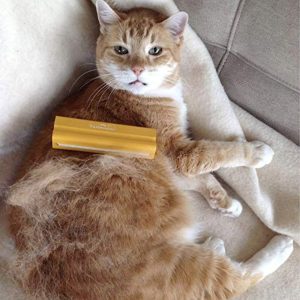
Whatever traits your cat brings to the table, regular grooming time is one of the simplest ways to build trust and connection, especially with cats on the more fearful or aggressive end of the spectrum.
EquiGroomer’s EasyGroomer is designed with a blade that mimics a cat’s tongue, which often makes grooming feel familiar rather than stressful. If you’re looking for cat grooming tools, EquiGroomer’s cat lineup is worth a look.