

Gardens are beautiful, but many common plants, mulches, fertilizers, and pesticides can be toxic to cats, dogs, and horses. Symptoms range from vomiting and diarrhea to organ failure and, in severe cases, death.
Below are six common but toxic garden dangers for pets.
Oleander (Nerium oleander): Highly Toxic
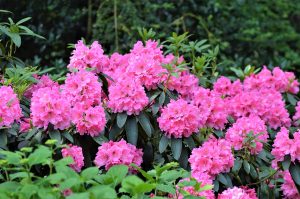
Oleander is a popular ornamental shrub known for its striking flowers. Ingesting any part of the plant can cause severe gastrointestinal issues, colic, drooling, heart problems, and even death. The danger is significant for dogs, cats, and horses, making oleander worth avoiding entirely in a pet-friendly garden. It’s also known as Rose-Bay.
The ASPCA’s mobile app covers 300+ everyday hazards for pets, including severity levels and next steps, available for both iOS and Android.
Sago Palm (Cycas revoluta): Extremely Toxic
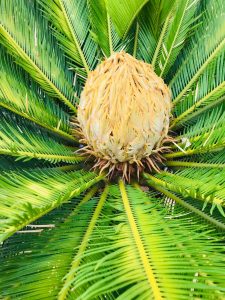
Sago palms are another popular garden plant, especially in warmer climates. If any part of the plant is ingested (or just one or two seeds, which are even more concentrated), it can affect the nervous system and cause gastrointestinal bleeding and liver failure.
Best to avoid sago palms altogether where pets have access. Also known as Coontie Palm, Cardboard Palm, Cycads, and Zamias.
Azaleas (Rhododendron species)
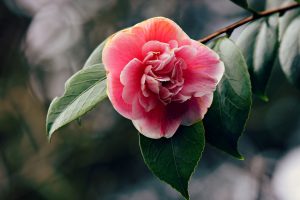
These flowering shrubs are common for their blooms, but they contain grayanotoxins, which can cause vomiting (not in horses), diarrhea, weakness, and severe cardiovascular issues. Dogs and cats are both at risk, and horses can suffer similar symptoms if they ingest this plant. Also known as Rosebay.
Lily of the Valley (Convallaria majalis): Severe Risk
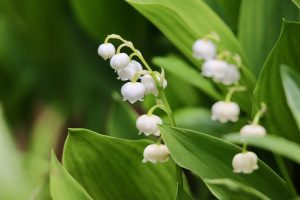
Lily of the Valley has delicate white flowers but contains cardiac glycosides, which can cause heart arrhythmias, digestive problems, low blood pressure, seizures, colic, and even death. Cats are especially susceptible, though dogs and horses are also at high risk. Avoiding lilies altogether is the safest call for a pet-friendly garden.
Contact a veterinarian or poison control immediately if a pet may have ingested something toxic.
Buttercups (Ranunculus species)
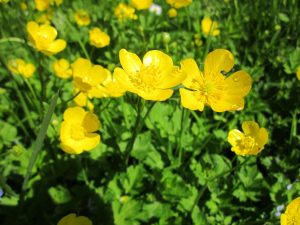
Buttercups look harmless with their bright yellow flowers, but they contain protoanemonin, an irritant compound that’s toxic to pets. Ingesting buttercups can cause drooling, vomiting, diarrhea, and skin irritation in dogs, cats, and horses.
Another Common Garden Risk: Cocoa Mulch
Cocoa mulch is popular for its appearance and smell, but it contains theobromine, which is toxic to dogs, cats, and even horses. Ingesting it can lead to vomiting, diarrhea, muscle tremors, seizures, and even death. A mulch without cocoa beans or dyes is the safer choice where pets have access.
The AKC covers several other common yard hazards worth knowing beyond mulch alone.
ASPCA 24-Hour Emergency Poison Hotline: 888-426-4435 (a consultation fee may apply)
Conclusion
Gardening is a rewarding hobby, but it pays to stay alert to the toxic dangers a garden can hide for cats, dogs, and horses. A little vigilance goes a long way toward keeping a garden both beautiful and safe.
Grooming your horse a little extra this season? These healthy DIY carrot cookies, courtesy of YoungRider.com, make a nice bonding ritual after a garden walk.
Whether it’s sweat or bath water, the 7-inch WaterWisk is a gentle, effective scraper for any part of a horse’s body.