

Every pet owner knows the feeling. The years pass too quickly. Understanding the average lifespan for dogs, cats, and horses, and the factors that shape it, gives owners a better chance of making the most of the time they have.
How Long Do Dogs Live?
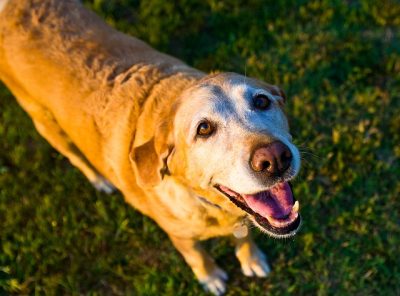
Senior Labrador Dog with White Muzzle
Small dogs tend to outlive large breeds like Labradors by several years.
Dog lifespan varies significantly by size. According to the American Kennel Club, smaller dogs consistently outlive larger breeds, a pattern that is one of the most reliable findings in canine biology.
General averages by size:
Spayed and neutered dogs tend to live longer than intact dogs, and dogs maintained at a lean body weight can live meaningfully longer than overweight counterparts of the same breed.
How Long Do Cats Live?
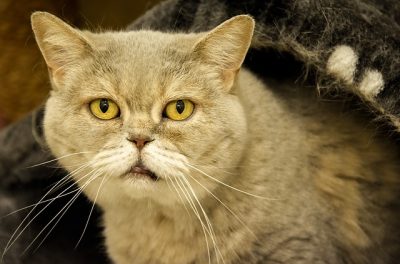
Senior Yellow Cat Resting
Indoor cats live significantly longer than those with outdoor access.
Where a cat lives has the single biggest impact on how long it lives. According to PetMD, indoor cats typically live 12 to 18 years, with many well-cared-for cats reaching their late teens or early 20s. Outdoor-only cats average just 2 to 5 years due to exposure to traffic, predators, disease, and harsh weather.
General averages:
Spaying and neutering also extends cat lifespan by reducing cancer risk and hormone-driven behavior that leads to injury. Mixed-breed cats tend to outlive purebreds due to greater genetic diversity.
How Long Do Horses Live?
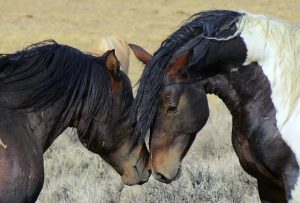
Two Wild Horses Nuzzling Each Other
Wild horses typically live around 15 years, about half the lifespan of domestic horses.
Domestic horses live significantly longer than their wild counterparts. According to WebMD Pets, the average domestic horse lives 25 to 30 years, while wild horses average around 15 years due to the physical demands of survival without veterinary care, consistent nutrition, or shelter.
General averages:
The oldest horse on record, Old Billy, lived to 62 years, a reminder of how dramatically good care can extend equine lifespan beyond the average.
What Affects How Long a Pet Lives?
While breed and genetics set a baseline, several factors within an owner’s control have a real impact on longevity across all three species:
Reproductive history also plays a role, both the number of reproductive cycles and spay/neuter status affect overall longevity.
How to Estimate a Pet’s Age
When adopting a rescue animal without a known birth date, veterinarians can estimate age from physical markers including:
A veterinarian can assess these markers together and give a reasonable age estimate for any new addition to the family.
Grooming as Part of a Longer, Healthier Life
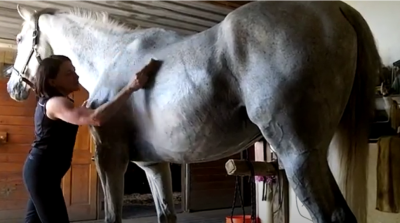
Grooming isn’t just cosmetic. Regular grooming sessions across all three species serve as a hands-on health check, one of the simplest ways to catch changes in coat, skin, weight, and condition before they become serious problems.
For horse owners, post-bath and post-sweat grooming is an essential part of coat maintenance. The 7-inch WaterWisk removes excess water and sweat from every part of a horse’s body, including bony areas like hips and hocks where standard scrapers are difficult to use. This makes it easier to keep a horse clean and dry as part of a regular care routine.