

Grooming a dog at home covers more ground than most owners expect: brushing, bathing, nail trimming, ear cleaning, teeth brushing, and for some breeds, coat trimming and anal sac expression. Done consistently, it keeps a dog looking and feeling good and gives an owner regular opportunities to check for changes in coat condition, skin, eyes, ears, and nails before they become larger problems.
Know Your Dog First
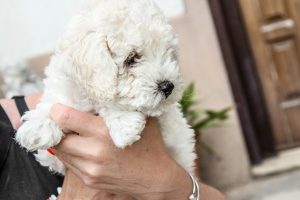
Not every dog tolerates grooming easily. Knowing where a specific dog draws the line and respecting it is the difference between a productive grooming session and a miserable one.
Do start puppies young. The earlier a puppy is introduced to handling, paws, ears, mouth, and all, the more naturally it accepts grooming as an adult.
Do keep early sessions short. Building tolerance gradually is more effective than pushing through resistance.
Do bring patience and a calm demeanor. Dogs read their owners’ stress and mirror it back. A confident, unhurried approach creates a more relaxed dog.
Don’t attempt a full grooming session when pressed for time or feeling frustrated. Dogs pick up on that energy immediately.
Don’t do everything at once on a dog that’s still building tolerance. Bathing, nail trimming, and ear cleaning in one sitting is too much for most dogs early on.
Brushing
Regular brushing before a bath and between baths stimulates blood circulation, distributes natural oils through the coat, and removes dirt, dead hair, and dander. It also keeps shedding manageable and prevents mats from forming.
Do brush at least three to four times per week for best coat condition. Daily brushing is even better for heavy-shedding breeds.
Do always brush before bathing. Bathing a dog with mats makes them tighter and harder to remove.
Do use a brush appropriate for the dog’s specific coat type and length. A pin brush suits long coats, a bristle brush suits short and medium coats, and a deshedding tool handles undercoat effectively.
Don’t rush through brushing, especially around mats, tangles, or burrs. Forcing through tangles causes unnecessary pain and makes future sessions harder.
The 5-inch EasyGroomer removes loose hair, dead coat, dirt, and dander efficiently without tugging on the topcoat. It works on dogs of all coat types and can be used between baths as part of a regular brushing routine.
Want to see it on a short coat before adding it to the routine?
Bathing
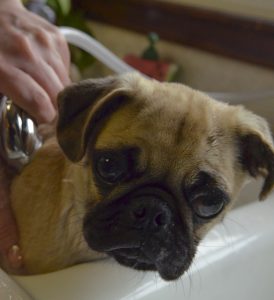
Regular bathing keeps the coat and skin clean and comfortable. How often depends on breed and coat type. A working dog that’s outdoors daily needs more frequent bathing than an apartment dog with minimal outdoor exposure.
Do bathe with a mild, dog-specific shampoo and warm water in a warm room. Rinse thoroughly, since leftover shampoo residue irritates skin.
Do brush out mats and tangles before bathing. Water tightens mats.
Don’t use human shampoo products. Human shampoos are formulated for a different skin pH and can strip a dog’s natural oils, causing dryness and irritation over time.
Don’t over-bathe. Excessive bathing removes natural oils and dries out coat and skin. Most dogs do well with monthly bathing; some double-coated breeds need it even less frequently.
Hint: For dogs that resist bath time, a lick mat covered with peanut butter or another favorite food stuck to the wall at nose height gives the dog something to focus on through the process.
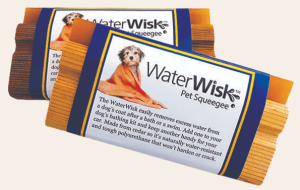
After the bath, the 7-inch WaterWisk removes excess water from the coat quickly and thoroughly, including bony areas like hips and legs where towels and standard scrapers don’t reach easily. Removing water quickly reduces drying time and keeps skin from staying damp.
Nail Trimming
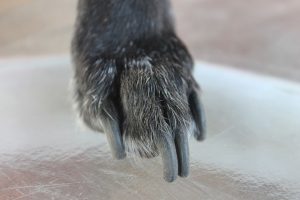
Nail trimming is the grooming task most dogs resist most. The key is building comfort gradually rather than forcing the issue.
Do use patience, calm praise, and high-value treats. If a dog is genuinely nervous, do one or two nails at a time across multiple short sessions rather than powering through all at once.
Do use a professional groomer or veterinarian if nail trimming causes significant stress for the dog or the owner. There’s no advantage to forcing an experience that erodes the dog’s trust.
Don’t clip large sections of nail at one time. Trim just the tip more frequently to avoid hitting the quick. If the quick is accidentally cut, styptic powder stops the bleeding quickly.
Don’t force a dog that is genuinely fearful. A frightened dog is more likely to injure itself or bite. Back off, break the session into smaller steps, and build up over time.
For a detailed walkthrough of at-home nail trimming technique, the American Kennel Club has a comprehensive guide covering equipment selection, quick avoidance, and breed-specific considerations.
Post-Bath Grooming
Once bathing is complete, a thorough post-bath routine prevents the most common problems: moisture trapped against the skin, coat that dries unevenly, and missed spots that stay damp long enough to cause irritation.
Work the WaterWisk from the neck back, including down the legs and over the hips. Follow with a towel dry and, where appropriate for the coat type, a blow dryer on a low, cool setting. For long-coated breeds, brush through the coat once more while it’s still slightly damp to prevent new tangles from setting as it dries.