

Experienced dog walkers help canine companions get the exercise and socialization they need on a regular basis. There are six things dog walkers wish every owner covered upfront: leash behavior, proper equipment, ID, and clear communication chief among them.
1. Leash Training Is Crucial
Well-trained leash behavior is essential for safe, enjoyable walks. A dog that pulls or lunges can be difficult to handle and create dangerous situations for the walker, the dog, and others nearby. If a dog doesn’t walk well on a leash, being upfront about it with the dog walker before an incident happens matters more than it might seem.
2. Proper Equipment Is Key
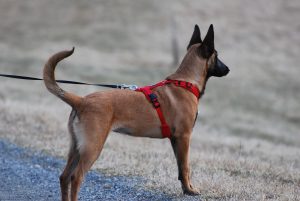
Dog Pulling on a Harness During a Walk
Proper equipment matters for both dog and walker
All equipment, including collars, harnesses, and slip leads, should fit correctly and suit the dog’s size, breed, and typical walking behavior.
Some dogs are especially good at slipping out of collars or harnesses, which makes a current ID tag essential (more on that next). Whole Dog Journal has a solid rundown of walking gear worth reviewing.
3. Proper Identification Is a Must
A current ID tag helps a dog get home quickly if it slips out of a harness or collar mid-walk. The importance of ID tags and microchips is worth reviewing with any new dog walker.
4. Clear Communication Is Essential

A Checklist Helps a Dog Walker Stay Prepared
A written checklist covers the essentials
A dog walker should understand a dog’s walking preferences, such as preferred times, routes, or behavioral quirks. Clear communication sets expectations, improves the walking experience, and keeps both the walker and the dog safer.
There’s no such thing as too much information. A written checklist covering health issues, arthritis, injuries, or allergies gives a dog walker exactly what they need to do the job well.
5. Consistent Routines Are Beneficial
Dogs thrive on consistency. A predictable schedule helps a dog feel secure and makes walks easier to manage for the walker. Sudden changes in timing or frequency can cause unnecessary anxiety. The AKC covers how to ease a dog into routine changes when they’re unavoidable.
6. Treats and Rewards
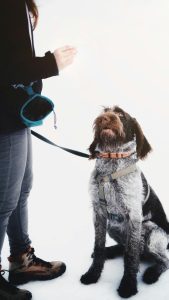
Rewarding a Dog During a Walk
Treats reinforce good walking behavior
Letting a dog walker know where the treats are, and how to use them, helps reinforce good behavior during walks.
In Conclusion
Prepared dog walkers make for safer, better walks for the dog and the walker both. A little upfront communication, a consistent routine, and the right rewards go a long way.
Walking works up a coat’s worth of loose hair too. This simple beef jerky recipe makes a good high-value reward, and pairing walks with a regular grooming routine using the EasyGroomer keeps shedding under control between walks.