

When temperatures drop, dog parents face the same question every winter: how cold is too cold for a dog to be outside? There’s no single answer. How long a dog can safely handle cold weather depends on breed, size, age, and health.
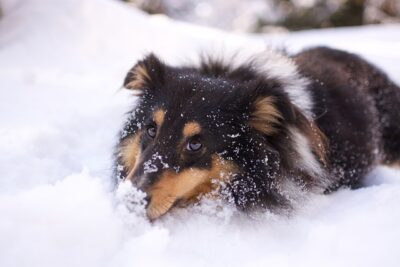
Collie Playing in the Snow
How cold is too cold for your dog?
Most dogs love time outdoors, even in the snow. But knowing a dog’s limits, and acting on them even when the dog doesn’t want to come inside, is part of keeping them safe.
Smaller Dogs and Cold
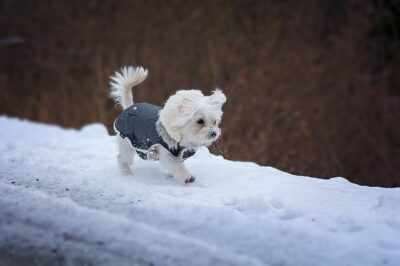
Dogs with single coats, or no coat at all, struggle more in cold weather. According to veterinarian Dr. Sarah Wooten, smaller dogs can develop hypothermia and frostbite quickly, and caution is warranted any time the temperature drops below 45 degrees.
Hypothermia occurs when a dog’s core body temperature drops too low. Left untreated, it can lead to cardiac and respiratory failure, brain damage, coma, and death. Frostbite damages tissue in extreme cold and, while not life-threatening on its own, often occurs alongside hypothermia.
Smaller breeds at higher risk include:
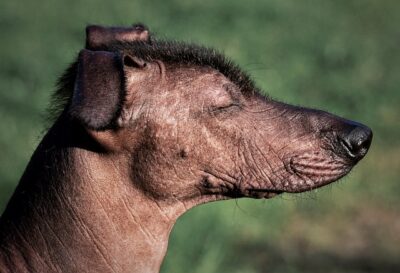
Xoloitzcuintli Mexican Hairless Dog
Hairless breeds are especially vulnerable to cold
Dr. Wooten recommends limiting outdoor time for smaller dogs to 10 to 15 minutes when temperatures fall below 32 degrees Fahrenheit.
Larger Dogs and Cold
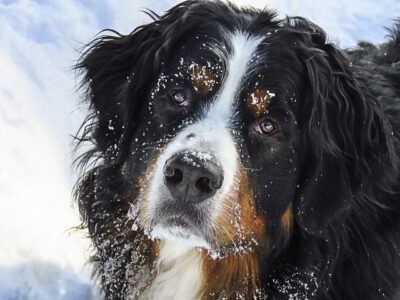
Larger breeds with thick double coats generally handle cold far better. According to Dr. Wooten, these breeds can safely stay outside for 30 minutes to an hour at temperatures below freezing, and arctic breeds acclimated to cold climates can often handle even more.
Hardier cold-weather breeds include:
Age and Health Matter Too
Active, medium-to-large dogs tend to handle cold better thanks to thicker coats and stronger ability to regulate body temperature. But puppies under 8 weeks old and toy breeds should be kept out of extreme cold entirely. Senior dogs and those with underlying health conditions should spend most of their time indoors, with only short, supervised trips outside.
The Bottom Line
Never leave a dog outside in conditions that put their health or safety at risk, even if they seem eager to stay out in the snow. Watch for warning signs like panting, shaking, shivering, or extreme fatigue, and bring them inside right away if any appear.
Wind chill, dampness, cloud cover, and activity level all affect how cold actually feels to a dog, so factor those in alongside the thermometer.
After time outside in winter weather, a dog’s coat can pick up dampness, salt, and matting from snow and ice. The EasyGroomer helps remove loose hair and debris after outdoor time, keeping a dog’s coat clean and comfortable through the winter months.