

It’s a commonly debated question among horse owners. Here’s a look at both sides of this genuinely “heated” debate.
Blankets: Yes or No?
Winter brings a different set of challenges depending on where a horse lives, including but not limited to: plunging temperatures, snow, rain, sleet, and mud. Some horses need extra protection against the elements; others risk overheating in a blanket they don’t actually need. There’s no single automatic answer, but a handful of guidelines can help narrow it down for any individual horse.
Things to Consider First
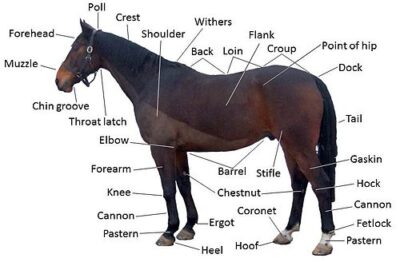
Equine Anatomy Reference for Checking Body Warmth
Check the elbow or stifle to gauge warmth
Is the horse shivering, in the barn or outside? Shivering is the body’s attempt to generate more heat. To check whether a horse is cold, place a hand up inside the elbow or stifle to feel for warmth.
Is the horse very young or very old? Healthy adult horses typically regulate body temperature well on their own. Senior horses and foals often need extra help staying warm, even in dry, calm conditions.
Is the horse sick, injured, or very thin? Blanketing can help these horses conserve energy and stay warm once temperatures drop below 50°F. Horses without an adequate fat layer (a body condition score of 3 or lower) need extra help retaining warmth.
Did the horse recently relocate from a warmer climate? It typically takes a horse a few seasons to adjust to a new environment and grow in a full winter coat.
Is the horse a show horse? Clipped show horses lose their natural winter coat for a sleek appearance, so they need blanket support to compensate. A turnout blanket also protects against sunburn in summer.
Does the horse lack access to shelter from wind or rain? These horses may need a blanket in harsh conditions, removable once weather improves.
Is the horse sweating under the blanket? Sweat typically shows first under the blanket and may spread along the neck and behind the ears. This is a clear sign it’s time to remove the blanket or switch to a lighter one.
Sleet, Rain, Snow, or Wind
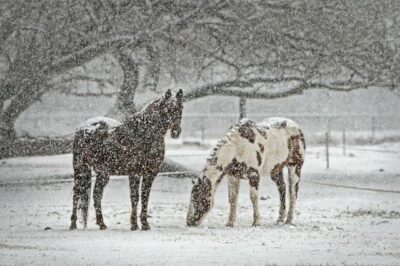
Wet, Windy Weather Compromises a Horse’s Natural Insulation
Wind and moisture strip a winter coat's insulating ability
A horse’s winter coat can usually handle freezing temperatures on its own, down to 0°F with no wind or rain. Wet or windy conditions change the equation. Long hair loses its natural insulating properties once it gets wet or gets pushed down by wind, and body heat stops being trapped close to the skin.
“Horses with very short hair may be the only horses that need to be blanketed during winter weather. In fact, a blanket may not be the best thing for horses kept outside in winter, especially when it’s wet. The blanket actually pushes the hair down, compressing the air spaces, and the hair isn’t able to insulate the way it’s intended.” — Mark Russell, Assistant Professor, Equine Extension, University of Arkansas Division of Agriculture
According to Penn State Extension, the decision ultimately comes down to a combination of coat condition, body condition, shelter access, and individual tolerance. There’s rarely a single right answer that applies to every horse in a barn.
Choosing the Right Blanket
Not all blankets are built the same, and picking the right one matters as much as deciding whether to blanket at all. A few factors worth weighing:
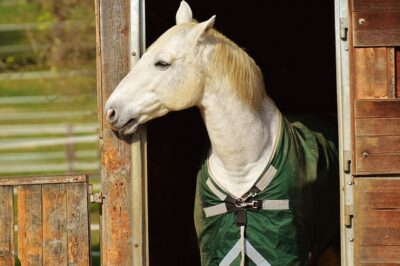
A Properly Fitted Horse Blanket Prevents Injury
A snug, well-fitted blanket won't slip or spook a horse
A Few More Tips
Regular blanketing tends to reduce a horse’s natural winter hair growth over time, so once the decision is made, it’s often a season-long commitment rather than a day-to-day call. Plenty of forage (quality hay or beet pulp) helps a horse generate its own body heat naturally, blanket or not.
Quick decision guide:
When in Doubt
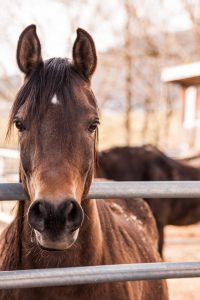
A local vet is the best resource when the answer isn’t clear. They can weigh local climate, a horse’s health history, and body condition together. A horse depends on its owner to make the right call, whatever the season may be.
Grooming Matters for Blanketed Horses Too
When a horse is blanketed, rub marks, sores, and other skin issues can be harder to spot. A regular grooming routine through the winter months, even under a blanket, catches these issues early.
Want to see how it works on a heavy winter coat before you try it yourself? Watch the demo videos here.
EquiGroomer tools built for horses make that routine easier to keep up with all season.