

Pets can often feel “feverish” to a worried owner simply because an animal’s normal temperature range is above that of a human, typically between 97.5 and 99.6 degrees Fahrenheit.
Pets and animals can become too hot or even too cold for a variety of reasons. If a pet seems to have a fever or feels overly chilled, taking their temperature can help confirm whether there is a real concern or encourage a call to the veterinarian.
But how do you know if a pet’s temperature is normal?
High vs. Low Temperatures: Which Is Worse?
While a pet with a high temperature is typically more worrisome to most owners, a low temperature can also be cause for concern. If a pet’s temperature seems unusual, a veterinarian can help rule out long-term issues or complications.
The medical terms below describe temperatures outside the normal range.
Hyperthermia (a high temperature outside the normal range) may indicate:
Hypothermia (a low temperature outside the normal range) may indicate:
Healthy Pets: Normal Temperature Ranges
Pet temperatures fall into the following ranges:

Rabbit Showing Signs of Overheating
Rabbits run a higher normal temperature than most pets, between 101.5 and 104.2 degrees Fahrenheit.
Sustained temperatures outside a pet’s normal range can lead to issues like heat exhaustion, heatstroke, and potential internal complications if not addressed and brought back to a normal range. Knowing a pet’s typical resting temperature, or temperature setpoint, makes it much easier to recognize when something is off.
Taking a Pet’s Temperature
Old-fashioned mercury thermometers are no longer considered safe for taking an animal’s temperature, since they may break, especially with excited or nervous animals, exposing both the pet and the handler to potential mercury.
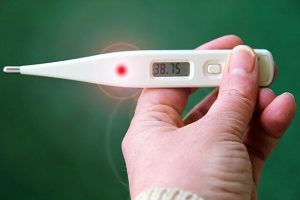
Digital Thermometer for Pets
Digital thermometers are safer than older mercury models and are the standard choice for checking a pet's temperature today.
Digital thermometers are safer and more commonly used today. Temperatures are typically taken via the ear or rectally, with rectal readings considered more accurate, in cats, dogs, horses, and livestock, using a small amount of lubricant on the tip. Depending on the animal, taking a temperature may be a two-person job.
Abnormal Temperatures: When to Be Concerned
A pet’s temperature can fluctuate during the day, and a small variation is not always a reason for concern. Outdoor temperature, humidity, and activity level can all affect a reading. Getting a pet to rest and drink water often helps bring a borderline temperature back within the normal range on its own.
When to Call the Vet
A short, mild elevation that resolves within a day is usually nothing to worry about. Contact a veterinarian if:
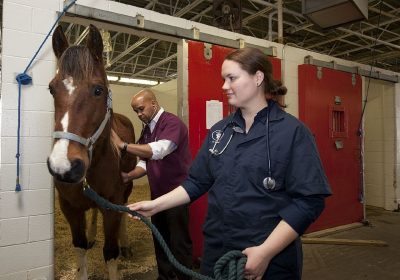
Veterinarian Checking a Pet’s Temperature
A mild, short-term temperature change is usually normal, but a fever lasting more than a few days warrants a veterinary exam.
Grooming and Recognizing Illness Early
Regular grooming does more than maintain a coat’s appearance. Routine, hands-on contact with a pet’s body is one of the most reliable ways an owner notices something is wrong before a thermometer ever comes out.
A pet running a fever often shows subtle physical signs during a grooming session before behavior changes are obvious. A dog or cat’s ears may feel warmer than usual. The coat may feel different to the touch, duller or slightly damp from sweat in species that perspire through specific areas. A horse running hot will often have a noticeably warm neck or flank under the hand, even before visible sweating. None of these signs replace an actual temperature reading, but they are often the first signal that prompts an owner to check.
This is one of the underappreciated benefits of grooming on a consistent schedule rather than only when a coat looks obviously due for attention. Hands-on time with a pet’s skin and coat builds a baseline for what normal feels like, which makes it much easier to notice when something is off.
The 8″ EquiGroomer and 5″ EasyGroomer both involve close, full-body contact during use, covering the ears, legs, belly, and other areas where temperature and coat changes are often noticed first. A consistent grooming routine is not a substitute for monitoring a pet’s health, but it does mean an owner’s hands are on their animal regularly enough to catch the early, subtle signs that something needs a closer look.
The Bottom Line
Like humans, animals may run slightly elevated, short-term temperatures as their body fights off minor infections. This is normal.
Medications should only be used when necessary, to avoid diminishing the effectiveness of a pet’s immune system. If a mild fever or unusual temperature persists for more than a few days, contact a veterinarian for an examination and a definitive diagnosis.