

Ask ten horse owners how often you should bathe a horse and you will get ten different answers.
The truth is there is no universal rule or answer to this question. Bathing frequency depends on your horse’s workload, coat type, skin health, and the season. What matters more than a fixed schedule is understanding what bathing does to your horse’s coat and skin, and making decisions that protect both.
Why Frequency Matters
Bathing strips natural oils from your horse’s coat and skin. Those oils are not cosmetic. They protect the skin from moisture loss, bacterial infection, and environmental irritants. If you bathe too often, you’ll leave the coat dry and flaky with skin that is vulnerable to rain rot, scratches, and fungal infections. Bathe too infrequently and dirt, sweat, and debris accumulate under tack. This creates the friction and bacterial conditions that cause chafing, itching, and infection.
The goal is finding the right balance for your specific horse, not following a one-size schedule.
One rule applies regardless of how often you bathe: never place tack on a dirty horse. Dirt, debris, and dried sweat under a saddle and girth create chafing, fungal growth, and skin infections regardless of your bathing routine.
How Often to Bathe Based on Use
Show or competition horses are typically bathed more frequently (sometimes weekly) to maintain appearance. If you are bathing your horse this often, shampoo selection and thorough rinsing are critical to prevent oil depletion over time.
Working horses benefit from a bath every two to four weeks during warm months, scaling back in winter. Regular grooming between baths reduces how often a full wash is necessary.
Horses that are lightly worked or kept at pasture may only need a few baths per year, supplemented by spot cleaning and plain water rinses as needed. Their coats are generally better at self-regulating when grooming is consistent.
Horses with skin conditions including rain rot, scratches, or fungal issues may need medicated rinses on a schedule your veterinarian recommends. In these cases, bathing frequency is dictated by treatment protocol, not preference.
Grooming as a Substitute for Bathing
Regular grooming reduces how often your horse needs a full bath. Brushing removes surface dirt, distributes natural oils through the coat, and keeps the skin healthy between washes. Spot cleaning with a damp cloth or sponge handles localized dirt and sweat without disrupting the entire coat.
Shampoo-free rinses with clean water can be done far more frequently than shampoo baths with minimal downside. On hot days after a hard workout, a thorough rinse removes sweat and cools the horse without stripping oils.
During heavy shedding periods, consistent grooming becomes even more important since a horse losing its winter coat needs regular coat clearance more than it needs frequent baths.
Read more about managing your horse’s spring shedding and how grooming supports the process.
Choosing the Right Shampoo
When you do bathe your horse with shampoo, choose a gentle, hypoallergenic formula. Harsh shampoos tend to strip oils faster and leave the coat more vulnerable between baths. If your horse has sensitive skin, hypoallergenic is not optional.
Blue whitening shampoos are harsher than standard formulas and are designed for occasional cosmetic use on light-coated horses before shows. They are not intended for regular use.
Coat color also affects shampoo selection since lighter-coated horses are more prone to product buildup showing visibly. If you want to understand how coat pigmentation affects care decisions, our piece on horse coat colors is worth reading before you settle on a product.
If your horse has a flea problem alongside general bathing needs, a DIY flea shampoo made with natural ingredients can address both in a single bath without adding harsh chemicals to the coat.
Regardless of which shampoo you use, rinse thoroughly. Shampoo residue left in the coat causes skin irritation and defeats the purpose of bathing.
Drying Your Horse Safely
In warm weather: Let your horse dry naturally when possible. Before you do, use a sweat scraper to remove as much surface water as possible. This speeds drying time significantly and prevents the coat from staying wet against the skin.
The WaterWisk sweat scraper removes water quickly and efficiently after bathing, which cuts drying time and reduces the risk of chilling. Cover your horse with a clean sweat sheet afterward in case they decide to roll before the coat is fully dry.
In cold weather: Bathing in cold temperatures carries risk. If you must bathe in cold conditions, use warm water, work in a sheltered area, and dry your horse as thoroughly as possible before returning them to their stall or pasture, then blanket immediately after drying. A horse that gets chilled after bathing has significantly reduced resistance to respiratory infections and illness. When in doubt in winter, skip the full bath and spot clean instead.
Grooming After Every Bath
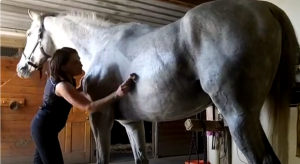
A bath is not complete without a grooming pass once the coat is dry. Brushing your horse after bathing removes any remaining loose hair, distributes the coat’s natural oils that the bath may have disrupted, and gives you a clear view of the skin for any issues the water may have revealed.
The EquiGroomer removes loose hair and debris from the coat comfortably and without pulling. It is a natural finishing step after bathing that keeps the coat in better condition between washes.
Unsure about the right bathing routine for your horse? Work with your veterinarian and monitor your horse’s skin and coat condition after each bath. Adjust frequency and products based on what you observe over time.