

Are you confused when it comes to the terminology for horse markings? If you’re new to the world of horses, it can be confusing when it comes to understanding the subtleties of equine markings.
What are Horse Markings?
According to Horse Illustrated, “horses can display a wide variety of markings on their bodies.” Horse markings are determined by genes and these white areas can be used to identify horses from others of similar color. These markings can also help prove ownership of a stolen or lost horse because rarely do two horses look exactly the same.
Horse markings are typically divided into 4 categories, but there can also be combinations of markings and other potential markings.
- 1Facial
- 2Legs
- 3Spot
- 4Dorsal or Eel Strip
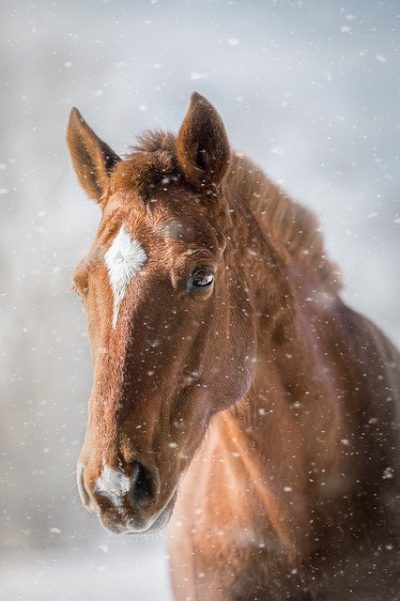
A spot can be anywhere on a horse’s body. What’s unique is that the hair swirls in a circular direction in contrast to the rest of the horse’s coat.
A Dorsal or Eel Strip is found on the horse’s back. It is a darker strip of hair running down the back from the mane to the tail.
This marking is common among:
Next, let’s look specifically at equine facial and leg markings.
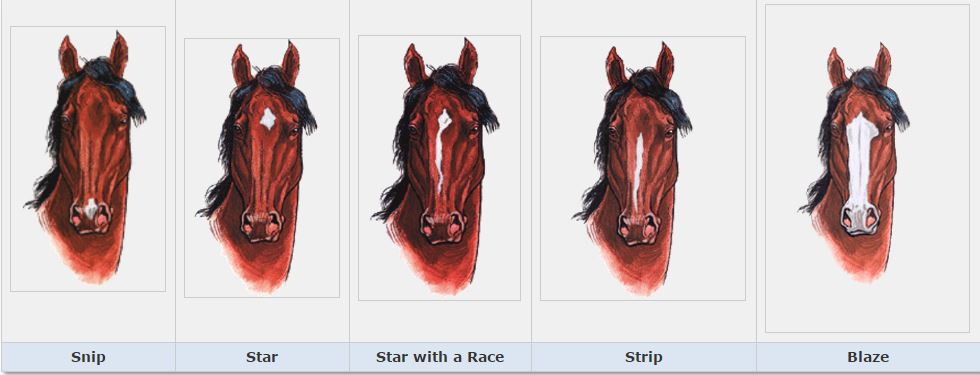
Horse Markings: The Face
The common facial markings (by shape and location) include:
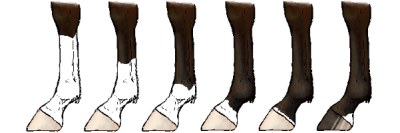
Horse Markings: The Legs
The common leg markings are identified by how high the white area extends on the leg.
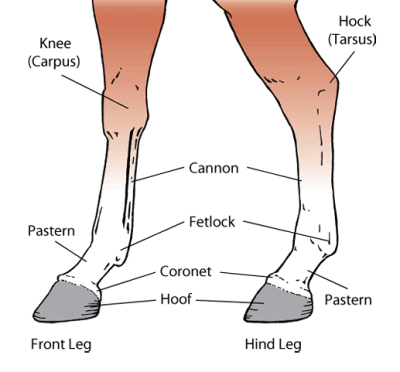
How Horse Markings Affect Your Grooming Routine
White-marked areas on a horse are more than visual identifiers. They require slightly different attention than the rest of the coat, and knowing your horse’s markings helps you groom smarter.
White leg markings (socks, stockings, pasterns) stain faster from mud and manure, and the skin beneath is often more sensitive than pigmented areas. Horses with extensive white stockings are also at higher risk for pastern dermatitis if moisture gets trapped under leg wraps or in deep bedding. Grooming these areas thoroughly during shedding season keeps the coat clean and gives you a chance to inspect the skin while you work.
Facial markings like blazes, stripes, and snips sit on thinner skin with more sun exposure. Horses with large white face markings or pink-skinned muzzles can sunburn, so maintaining coat condition in these areas matters beyond appearance.
During spring and fall shedding, the coat transition happens at different rates across the body. Legs and belly often hold onto the winter coat longer than the topline, and white-marked areas can look patchy during the transition because the color contrast makes it more visible. Removing loose undercoat without disturbing the topcoat speeds that process and keeps your horse looking clean through the changeover.
The 8″ EquiGroomer is built for full-body work on horses, including legs and sensitive facial areas. The micro-barbed blade grabs dead and loose hair without cutting the topcoat or irritating skin, making it effective on the finer hair of white-marked legs and the delicate skin around facial markings where coarser tools cause redness. Work the body first with long strokes, then use lighter pressure on leg markings and around the face.